Hey everyone, it’s [Your Name] here – the guy behind the TPU supply stuff you might’ve seen popping up in random product corners lately. If you’ve ever wondered why those phone cases feel way more durable than your old flimsy silicone one, or how your running shoes don’t get all gross and cracked after a few months of sweaty runs, there’s a solid chance TPU’s the unsung hero making that happen. I’ve been working as a TPU supplier for over 10 years, and let me tell you – so many people have no clue how often this stuff shows up in their daily lives. Today, I’m breaking down exactly what products are made from TPU, why it’s such a game-changer, and why we’re here to hook you up if you need it for your next project. TPU
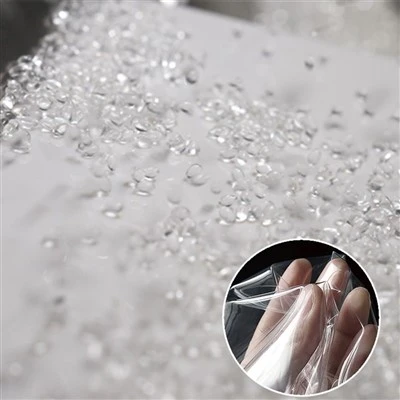
First off, let’s cut through the jargon quick – TPU stands for Thermoplastic Polyurethane, right? It’s a type of polymer that’s both rubbery (like your favorite sneaker sole) and plastic (moldable without crazy high heat), so it’s way more versatile than materials that only do one or the other. A lot of folks mix it up with silicone, but trust me, there’s a difference: TPU stretches way further without breaking, it’s more resistant to oils and chemicals, and it doesn’t get that sticky, dusty film on it after a while. We get tons of inquiries from small business owners, product designers, even big brands who’ve heard TPU’s good, but aren’t sure exactly how to use it. Let’s start with the stuff everyone interacts with every single day – phone cases and protective gear.
Wait, don’t roll your eyes at phone cases – this is where TPU absolutely dominates. A few years back, everyone used hard plastic cases that cracked the second you dropped your phone, or silicone ones that stretched out so much they’d slip right off. TPU cases hit the sweet spot: it’s flexible enough to absorb impact if you face-plant your phone on concrete, but rigid enough that it doesn’t fold over on itself when you put it in your pocket. We supply TPU to a bunch of accessory brands that make both basic cases and those heavy-duty ones for construction workers or outdoor adventurers. Oh, and don’t sleep on the screen protectors – the flexible ones that don’t crack when your phone bends (don’t act like that’s never happened) are almost always TPU. We even do custom TPU for brands that want specific colors, anti-yellowing coatings, or textured grips – no generic stuff here.
Next up, footwear – this is probably the biggest use case for TPU that most people don’t notice. If you’ve ever owned a running shoe, a basketball shoe, or even a casual pair of sneakers with a “bouncy” sole, that’s likely TPU. Why? Because it’s lightweight, resistant to abrasion (so your soles don’t wear out after 50 miles of running), and it stays flexible in hot or cold weather. A lot of brands use TPU for the “shank” in shoes too – that piece between the heel and toe that keeps your arch from collapsing – because it’s stiffer than the sole but still bendable, not like a hard plastic shank that can dig into your foot. We work with a few shoe manufacturers that make specialty shoes, like trail running boots for mountain climbers or work shoes for factory floors where oil and grease are everywhere. TPU doesn’t break down when it’s exposed to that stuff, which is way better than rubber.
Then there’s the sports and outdoor gear category, which is where TPU really shines for people who are active. Think about the mouthguards you wear for football or hockey – traditional mouthguards were made from acrylic, which would crack if you took a hard hit. TPU mouthguards are flexible, moldable to your teeth, and they don’t get brittle over time. We supply TPU to dental labs that make custom mouthguards for pro athletes, as well as to kids’ sports brands that make affordable, durable ones for youth leagues. Also, let’s talk about inflatables – air mattresses for camping, floaties for the pool, even inflatable kayaks. TPU is airtight (way more than nylon or PVC, which can leak small amounts of air over time), stretchy enough to handle being blown up and deflated hundreds of times, and resistant to UV rays so it doesn’t get brittle in the sun. I’ve personally used TPU inflatable camping mats for years – they fold up super small, don’t puncture if you brush against a rock, and hold air all weekend. We also supply TPU for waders for anglers – they’re waterproof, flexible enough to walk in streams all day, and don’t tear if you snag them on a branch.
Household items are another huge one – TPU’s everywhere in your kitchen and laundry room, you just don’t realize it. Let’s start with kitchen stuff: food-grade TPU is safe to use around food, so things like silicone-like spatulas, food storage bags (the reusable ones that stretch to fit containers), and even the seals on your fridge doors are often TPU. It’s resistant to heat, so your spatula won’t melt if you leave it on a hot pan, and it’s easy to clean – no weird stains from tomato sauce like some plastic materials. Laundry-wise, those lint traps in your dryer? TPU. They’re flexible enough to catch lint, but stiff enough that they don’t collapse when you pull them out. Also, those silicone-like fridge organizers, the grips on your can openers, even the protective bumpers on furniture corners – all TPU. We get a lot of orders from home goods brands that want TPU in specific colors or textures, like matte finishes instead of shiny ones for modern kitchens.
Industrial and automotive uses are where TPU gets super specific, and it’s a big part of what we supply. For automotive, think about the hoses in your car – fuel hoses, brake lines, even the hoses for your windshield washer fluid. TPU is resistant to gasoline, oil, and other chemicals that would eat through regular rubber hoses, so it lasts way longer. Also, the weather stripping around car doors and windows – it’s flexible, doesn’t crack in cold weather, and seals out wind and water better than other materials. Industrial stuff includes conveyor belts for factories that handle food or chemicals, seals for machinery that needs to be airtight or waterproof, and even cables for electronics – TPU insulation is flexible, resistant to wear, and protects the wires inside from moisture and heat. We work with a lot of industrial repair shops that need custom TPU seals or hoses, and we do bulk orders for factories that use it in their production lines.
Wait, let’s not forget medical and healthcare products – this is a big one that’s regulated, so it’s important to have a reliable TPU supplier (hi, that’s us). Medical-grade TPU is biocompatible, meaning it doesn’t react with the human body, and it’s sterilizable with things like autoclaves or ethanol. So things like catheters, wound care dressings, prosthetic liners, even the grips on medical devices like stethoscopes and blood pressure cuffs are made from TPU. A lot of prosthetic users love TPU liners because it’s soft, flexible, and doesn’t rub or cause irritation like other materials. We supply medical-grade TPU to a few small medical device companies, and we make sure every batch meets all the safety standards – no cutting corners here, because that stuff goes into people’s bodies.
Now, why is TPU such a go-to for all these different products? Let’s break that down quick, so you know what makes it different from other materials. First, it’s thermoplastic, which means you can melt it down and reshape it multiple times – that’s why it’s recyclable in a way that other rubbers or plastics aren’t (though not all TPU is recycled, we’re working on that). It’s also resistant to a ton of things: abrasion, chemicals, UV rays, temperature extremes (it stays flexible from like -40°F to 175°F, so it works in Alaska or Arizona). It’s non-toxic, too – so food and medical grades are safe, no weird fumes or chemicals leaching out. And let’s be real, it’s cost-effective – way cheaper than silicone for most uses, but more durable than PVC.
I know a lot of you reading this are either product designers, small business owners, or maybe someone who’s just trying to figure out what material to use for a new project. If you’re here, either you’re looking for a TPU supplier, or you’re just curious about where this stuff shows up. Let’s be clear: not all TPU is the same. There’s different grades – basic industrial grade, food grade, medical grade, UV-stabilized, anti-yellowing, flexible vs. rigid. If you order generic TPU online, it might work for a phone case, but if you need it for a medical device or a fuel hose, you need a supplier that can give you the right grade. That’s where we come in – we’ve been doing this for 10+ years, we can help you pick the right TPU for your specific product, we do small custom batches for startups and big bulk orders for major brands, and we make sure all our materials meet whatever standards you need (FDA for food, ISO for medical, whatever).
A lot of people reach out to us saying they’ve tried another supplier, but the TPU they got was too stiff, or it yellowed after a month, or it didn’t hold up to their needs. That’s why we take the time to talk to every client – even if you just need a small trial batch, we’ll walk you through the different grades, test samples if you want, and make sure you get exactly what you need. No pushy sales stuff, no confusing jargon – just people who know TPU inside and out, helping you get the right material for your project.
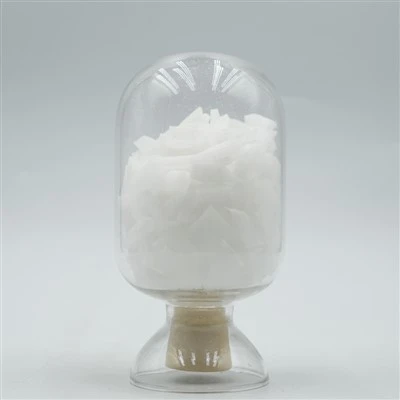
At the end of the day, TPU is one of those materials that’s so common you don’t notice it, but it makes a huge difference in the products you use every day. Whether you’re dropping your phone, running a marathon, fixing a car, or wearing a mouthguard to a football game, there’s a good chance TPU is the reason that product works as well as it does. If you’re looking for a reliable TPU supplier, whether you need small batches for a new product or bulk for a big order, hit us up to connect about your next project. We’re here to answer your questions, send samples, and help you make something awesome – no fine print, no weird hidden fees, just straightforward TPU supply.
TPU References:
- Thermoplastic Polyurethane (TPU) Overview. American Chemistry Council.
- TPU Applications in Consumer Products and Industrial Goods. European Center for Polyurethanes.
- Biocompatibility Standards for Medical-Grade TPU. International Organization for Standardization (ISO 10993).
- Abrasion Resistance of TPU vs. Other Elastomers. Society of Plastics Engineers.
Singbon New Materials(Shandong) Co., Ltd.
With abundant experience, we are one of the most reliable TPU manufacturers and suppliers in China. We warmly welcome you to wholesale advanced TPU at low price from our factory. If you have any enquiry about quotation and free sample, please feel free to email us.
Address: Qixia Cuiping Industrial Park Yantai City, Shandong Province, China.
E-mail: DBG1@singbonpu.com
WebSite: https://www.tpusingbon.com/
