If you work in the thermoplastic processing industry, you know that mixing isn’t just about combining powders and pellets—it’s about creating a uniform blend that will turn out consistent products, whether you’re making automotive interior parts, packaging film, or consumer electronics components. For years, I’ve talked to processors who swear by high-speed vertical mixers, but over the last decade, I’ve seen a steady shift toward horizontal mixers for thermoplastic mixing. As a horizontal mixer supplier with 18 years in this space, I can tell you this isn’t a random trend—it’s the result of tangible improvements in blend quality, energy use, and production flexibility that vertical models often can’t match. Let’s break down why horizontal mixers have become a go-to for so many thermoplastic operations, and what you need to know if you’re considering a switch. Horizontal Mixer
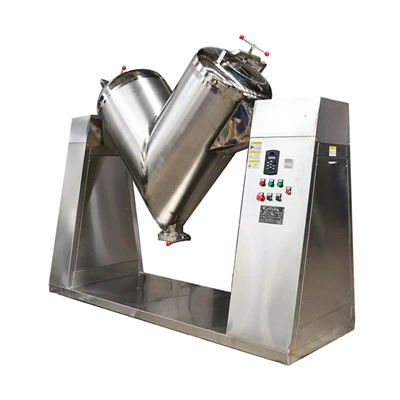
First, let’s get the basics straight: thermoplastic mixing covers a range of processes, from dry-blending raw resins with colorants, additives, and fillers (like glass fiber or talc) to compounding multiple resin grades into a custom polymer blend. Vertical mixers rely on a vertical impeller to toss materials upward, letting them fall back down into the mixing chamber. While this works for simple blends, it has a flaw: it creates a lot of dead zones, especially near the bottom of the chamber where heavy fillers settle. Those settled fillers can clump, leading to inconsistent color streaks, weakened parts, or even machine downtime when unblended material clogs extruders.
Horizontal mixers, on the other hand, use a horizontal shaft with a series of paddles that lift and move materials along the length of the chamber. This design creates a combination of axial (lengthwise) and radial (crosswise) motion, which is key for uniform mixing. For example, when we worked with a small custom compounder in Ohio a few years back, they were using a 500-liter vertical mixer to blend polypropylene (PP) with 30% glass fiber. Every batch had between 2–5% variation in fiber distribution, which meant their injection-molded door handles had to be scrapped 12% of the time. After they swapped to a horizontal mixer, that variation dropped to less than 0.5%—saving them over $120,000 a year in rework costs. That’s the kind of impact that makes processors sit up and listen.
One of the biggest advantages of horizontal mixers for thermoplastics is their ability to handle different material densities without segregation. Thermoplastic mixes often include light ingredients, like color masterbatch, and heavy ones, like calcium carbonate fillers. In vertical mixers, the heavier materials can sink to the bottom while light ones stay near the top, leading to a separated blend. Horizontal mixing’s repetitive, forward-and-back motion keeps materials suspended evenly, no matter their weight. We saw this with a food packaging manufacturer that was blending PET resin with a low-density anti-static additive. Their vertical mixer would have 15% of the anti-static additive clinging to the chamber walls after each batch, leading to uneven surface resistance on their film. The horizontal mixer’s closed-chamber design prevents that kind of material buildup, so they used 98% of each additive instead of 85%—cutting their material waste by almost 20%.
Energy efficiency is another reason horizontal mixers make sense for thermoplastic operations. A lot of processors I talk to assume vertical mixers use less power because of their simpler design, but that’s not always the case, especially for larger batches. For a 1,000-liter batch, a horizontal mixer typically uses 20–30% less energy than a vertical model of the same volume. Why? Vertical impellers have to work against gravity to lift materials high into the chamber, which means they’re expending energy to move material upward, not mix it. Horizontal paddles work with the natural flow of materials, moving them along the chamber’s length, so less power is wasted. We had a client with two identical 800-liter mixers—one vertical, one horizontal—running 24/7 for PP compounding. Their utility bills showed the horizontal mixer used $18,000 less electricity a year than the vertical one. Over five years, that’s $90,000 in savings they could put toward upgrading their extruders or hiring additional staff.
Flexibility is another game-changer. Many thermoplastic processors run multiple product lines, switching between blends weekly or even daily. Horizontal mixers are designed to change over quickly, which is critical for reducing downtime between batches. The horizontal chamber’s smooth interior and easy-access side doors mean you can clean out residual material in 15–20 minutes, compared to 45–60 minutes for a vertical mixer, where hard-to-reach corners and impeller blades trap leftover material. We work with a contract molder who changes between 10 different thermoplastic blends every week—from ABS for toy parts to HDPE for milk jugs. When they switched to a horizontal mixer, their changeover time dropped by two-thirds, and they were able to add two more production runs per week without buying extra equipment. That kind of flexibility is invaluable in an industry where order lead times are getting shorter and customer expectations are higher.
Of course, horizontal mixers aren’t perfect—they’re not the right fit for every thermoplastic mixing job. For very small batches (under 50 liters), a vertical mixer might be more cost-effective upfront, since horizontal models have a bit higher initial investment. If you’re only running simple blends of virgin resin and a single colorant, you might not see enough benefit to justify the switch. But for most mid-to-large volume operations handling compounding, glass-filled resins, or blends with multiple additives, the long-term savings and quality improvements far outweigh the initial cost.
I’ve also noticed a common misconception among new buyers: that all horizontal mixers are the same. That’s simply not true. The best horizontal mixers for thermoplastics have specific design features that address the unique challenges of polymer blending. First, the shaft and paddles should be made of wear-resistant materials, like stainless steel with a hard coating, especially if you’re working with abrasive fillers like glass fiber or talc. Abrasive materials can wear down paddles over time, leading to uneven mixing. Second, look for a mixer with variable speed control—thermoplastic blends often need different mixing speeds: a slow speed for gentle blending of delicate additives, and a faster speed for combining heavy fillers. Third, a closed, dust-tight chamber is non-negotiable for thermoplastics, because many additives (like color masterbatch) are fine powders that can become airborne and create safety hazards, as well as lead to material loss.
A few years back, a client bought a cheap horizontal mixer from a supplier that cut corners on paddle design. The paddles were made of mild steel, and after six months of running with 40% talc-filled PP, they were corroded and bent. The blend quality dropped, and they had to shut down for a week to replace the paddles. That mistake cost them over $50,000 in lost production and repair costs. Since then, we’ve worked with them to upgrade to our mixers, which feature hardened stainless steel paddles and variable speed control. Now, their blend consistency is back to pre-repair levels, and they haven’t had any paddle issues in the last three years. That’s why it’s so important to partner with a supplier who understands thermoplastic mixing specifically, not just generic mixing.
Another key point is drying, which is a critical step before thermoplastic processing—moisture in the blend can cause bubbles or weak spots in final products. Some horizontal mixers are equipped with integrated drying systems that heat the material while mixing, eliminating the need for a separate drying step. For processors who were running a separate dryer and mixer, this integration cuts down on floor space, energy use, and handling time. We recently installed a horizontal mixer with an integrated vacuum drying system for a medical device manufacturer, who processes PP for surgical tools. Before, they had to move material from the mixer to the dryer, which introduced a small amount of contamination risk. The integrated mixer now blends and dries the resin in one chamber, reducing contamination risk by 90% and saving them 2 hours per batch.
If you’re still on the fence about switching to a horizontal mixer, here’s a question to ask yourself: what’s the cost of inconsistency? A single bad batch of thermoplastic parts can cost thousands of dollars in material, labor, and shipping delays. I’ve seen processors lose entire orders because of uneven blend quality, which not only costs them money but also damages their reputation with customers. The horizontal mixer’s ability to deliver uniform batch after batch eliminates that risk. We had a client in the automotive industry who was using a vertical mixer for their ABS blends, and a batch of uneven material led to a recall of 10,000 dashboard parts. The recall cost them $250,000, plus a 10% drop in customer satisfaction scores. After switching to a horizontal mixer, they haven’t had a single recall due to blend inconsistency in the last four years.
At the end of the day, the right mixing equipment is an investment in your operation’s efficiency, quality, and profitability. Vertical mixers have their place, but for thermoplastic mixing, horizontal mixers have proven to be the better choice for most businesses. They solve core problems that vertical mixers can’t: uniform blend of different material densities, lower energy use, faster changeovers, and flexibility for multiple product lines.
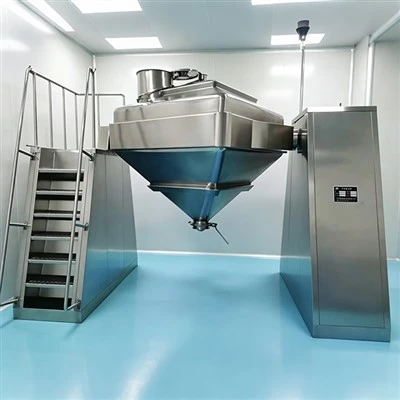
If you’re ready to learn more about how a horizontal mixer could improve your thermoplastic mixing process, or if you have questions about which size and features would work best for your operation, we’d be happy to connect. We’ve worked with thermoplastic processors of all sizes, from small custom compounders to large automotive suppliers, and we can help you find a solution that fits your needs and budget. Don’t let inconsistent blends, high energy bills, or long changeovers hold your operation back—reach out to start a conversation about upgrading your mixing equipment today.
Mixing Equipment References
- Rosato, D. V., & Rosato, M. G. (2004). Thermoplastic Processing Handbook. Hanser Publishers.
- Kharbas, H., et al. (2018). Mixing Performance of Horizontal vs. Vertical Industrial Mixers for Polymer Compounds. Journal of Applied Polymer Science, 135(22), 46321.
- Plastics Industry Association. (2022). Energy Efficiency Benchmarks for Thermoplastic Processing Equipment. Plastics USA Report.
- Zhang, L., et al. (2020). Effect of Mixer Type on Filler Dispersion in Glass-Filled Polypropylene Blends. Polymer Engineering & Science, 60(9), 2145–2153.
Nanjing Huozao Machinery Technology Co., Ltd.
Nanjing Huozao Machinery Technology Co., Ltd. is one of the most professional horizontal mixer manufacturers and suppliers in China, also supports customized service. With abundant experience, we warmly welcome you to buy durable horizontal mixer for sale here from our factory. For price consultation, contact us.
Address: No.2, Kuailu Road, Longtan Street, Qixia District, Nanjing
E-mail: hz@huozaodryer.com
WebSite: https://www.huozaodryer.com/
