If you’ve ever stood in a new building on a crisp winter morning or walked into a cool, comfortable office on a sweltering summer afternoon, you can thank HVAC systems for that feeling. I’ve spent the last 18 years as a metal components supplier, and let me tell you—most people don’t give a second thought to the parts that make those systems work. Every duct, every valve, every heat exchanger has metal at its core, and not just any metal, either. The right materials aren’t just a detail; they’re what separates an HVAC system that runs smoothly for 20 years from one that breaks down every three. Let me walk you through the key metal components we supply, how they’re used, and why picking the right one matters. Metal Components
First, let’s talk about heat exchangers. This is the heart of any HVAC unit, whether it’s a residential furnace or a commercial air handler. Heat exchangers transfer heat from a fuel source (like natural gas) to the air that circulates through your home, or they pull heat out of indoor air to cool it down. For most of my career, the go-to material here has been carbon steel. It’s affordable, has great heat conductivity, and can handle the high temperatures—up to 1,800 degrees Fahrenheit for some residential models—without warping. But as HVAC systems have gotten more efficient, we started seeing aluminum heat exchangers too. Aluminum is lighter, which cuts down on the energy needed to move the unit, and it resists corrosion better than carbon steel in damp environments, like in coastal areas where salt air can eat through metal. Wait, though—for high-efficiency condensing furnaces, we switched a lot of our supply to stainless steel a decade ago. Those units produce acidic condensation, and carbon steel would rust through in a few years. 304 stainless steel is standard here; it’s cheap enough for mass production and stands up to that acidic condensate perfectly. I still remember the first time we supplied a batch of 304 stainless steel heat exchangers to a local HVAC manufacturer—they told us the units had a 5-year longer lifespan than their old carbon steel ones, and that’s the kind of win that keeps customers coming back.
Next up: ductwork. Ducts are the pathways that carry conditioned air throughout a building, so they need to be durable, airtight, and able to withstand pressure changes from fans and blowers. Galvanized steel is the industry standard for most residential and light commercial ductwork, and that’s what we’ve supplied for decades. We coat carbon steel with a thin layer of zinc to prevent rust—zinc acts as a sacrificial anode, so even if the coating gets scratched, the steel underneath won’t corrode. It’s cheap, easy to fabricate into the rectangular or round shapes ductwork needs, and works for most indoor environments. But for commercial buildings, especially those in high-humidity or industrial areas, we also supply aluminum ductwork. Aluminum is lighter than galvanized steel, which reduces the load on building supports, and it’s even more corrosion-resistant. We often supply aluminum flex ducting too? Wait, no—flex duct is usually a polymer jacket with a steel core wire, but the rigid ducts are solid aluminum. Some hospitals and labs also use stainless steel ductwork, especially for air that needs to be extremely clean, like in pharmaceutical facilities. Stainless steel doesn’t trap mold or bacteria the way some coated metals can, so it’s critical for those applications. One of our long-term clients is a hospital chain in the Southeast; they switched all their main ductwork to stainless steel a few years back, and their maintenance team now spends 70% less time cleaning and repairing ducts than they did before.
Then there’s valves and piping. Valves control the flow of air, water, or refrigerant through an HVAC system, and piping carries those fluids between components. The material here depends entirely on what’s flowing through. For water lines in hydronic heating or cooling systems, we primarily supply copper piping and brass valves. Copper has excellent heat conductivity, resists corrosion from water, and is easy to solder or connect, which makes installation a breeze. Brass is an alloy of copper and zinc, so it’s strong enough to handle water pressure up to 150 psi, and it doesn’t corrode easily in damp environments. For refrigerant lines in air conditioning units, we also supply copper, but specifically type L copper, which is thicker than type M. That extra thickness stands up to the high pressure of refrigerant, and it’s flexible enough to bend into the tight spaces required for outdoor condenser units. Wait, for commercial refrigeration systems—like the ones in grocery stores with freezer cases—we sometimes supply steel piping too. Black steel pipe, which isn’t coated, is used for larger lines that carry refrigerant at very high pressures. It’s stronger than copper for those heavy-duty applications, and even though it needs to be painted to prevent rust, it’s cheaper for large-scale projects. I’ve seen too many installers cut corners on valve quality; a cheap brass valve can crack in a few years, leading to water damage in a building. That’s why we test every batch of valves we supply for pressure resistance, and it’s saved our clients thousands in repair costs over the years.
Now, blowers and fan components. Blowers move air through ducts, so their impellers, housings, and shafts need to handle constant rotation and exposure to air, which might have dust, moisture, or other contaminants. The main material here is galvanized steel for blower housings—it’s strong, cheap, and easy to shape into the curved forms that move air efficiently. But impellers, the part that actually pushes the air, are often made of aluminum. Aluminum is lightweight, so it reduces the load on the blower motor, which saves energy, and it resists rust better than steel if the system has any moisture buildup. For high-velocity fans, like the ones used in commercial kitchen exhaust systems (which are technically HVAC for restaurants), we supply cast iron fan blades. Cast iron is extremely durable and can handle the high temperatures from cooking fumes, which would warp aluminum or mild steel. Last year, we supplied cast iron fan blades to a restaurant supply company, and they told me those blades last twice as long as aluminum ones in busy commercial kitchens. That’s the kind of specialized component that a lot of smaller suppliers overlook, but it’s exactly where our expertise comes in.
Wait, I should also talk about structural brackets and mounting hardware. A lot of people don’t realize HVAC units need to be mounted securely, especially outdoor condensers that have to handle wind, snow, and even seismic activity in earthquake zones. We supply a lot of carbon steel brackets here, but we also supply galvanized steel and stainless steel depending on the location. For outdoor units in coastal areas, stainless steel brackets are a must—salt air will eat through regular carbon steel brackets in 3-5 years, leading to a condenser falling off its mount, which is a huge safety hazard. We also supply threaded rods, bolts, and nuts for these installations, all made of the same materials as the brackets, so they match in corrosion resistance. A few years back, we had a customer in Florida who tried using regular steel bolts for their condenser mounts; within two years, the bolts were rusted through, and their unit nearly toppled over during a hurricane. They switched all their mounts to our 316 stainless steel hardware after that, and they’ve been a repeat customer ever since.
Now, let’s get into why metal components matter more than you might think. HVAC systems account for nearly 40% of a building’s energy use, according to the Department of Energy, so even small improvements in component efficiency add up to big savings. For example, aluminum heat exchangers are 50% lighter than steel ones, so the blower motor doesn’t have to work as hard, cutting energy use by up to 10% for some systems. And lifespan is a big one too—replacing an entire HVAC system costs $5,000 to $10,000 for a residential unit, so components that last longer save owners a lot of money. That’s why we don’t just supply off-the-shelf parts; we work with HVAC manufacturers to custom-make components for their specific units. If a client needs a heat exchanger that can handle higher temperatures, we can source a special alloy stainless steel. If they need a duct component that fits a tight space in a new building design, we can fabricate it to their exact specifications.
I’ve been in this business long enough to see trends change. Ten years ago, everyone wanted the cheapest metal parts they could find. Now, more and more customers are asking for corrosion-resistant materials, energy-efficient components, and parts that meet strict environmental standards. We’ve invested in new equipment over the last five years to work with those materials—like laser cutters that can handle stainless steel, and pressure testers for heat exchangers to make sure they don’t leak. It’s not just about selling parts; it’s about understanding what an HVAC system needs to do, and giving our customers the right components to make that happen.
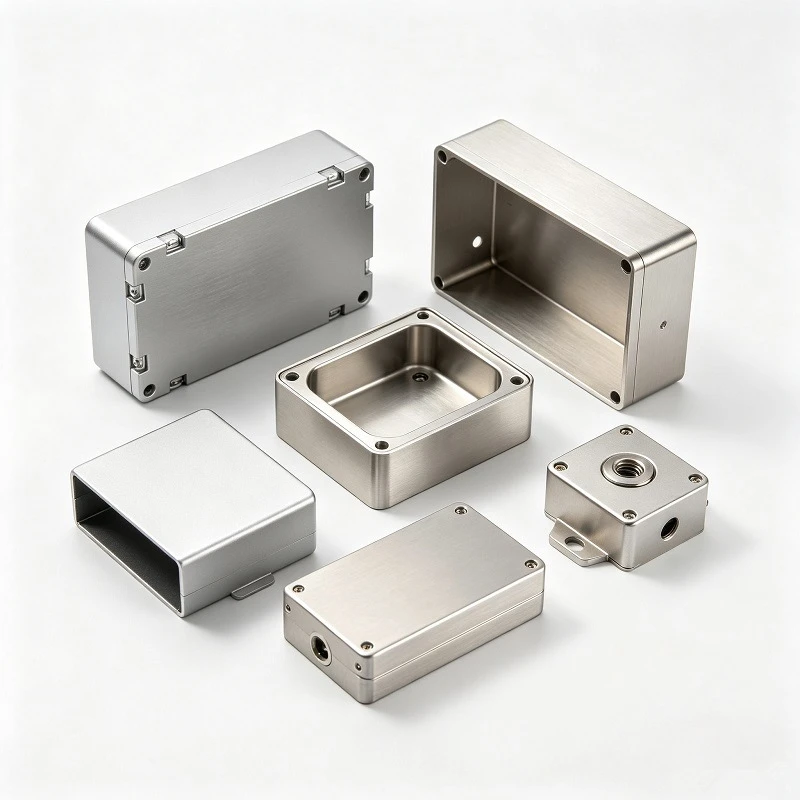
If you’re an HVAC manufacturer, installer, or building manager who’s tired of dealing with components that break too often or don’t fit your needs, we can help. We supply all the metal parts I’ve talked about, plus a few more—like filters, coils, and dampers. We work with small residential HVAC companies and large commercial construction firms, and we can handle orders of any size, from a single custom bracket to a batch of 10,000 heat exchangers. To discuss your specific needs and get a quote, reach out to our team today. We’ll take the time to understand your project, explain the best material options, and make sure you get components that are durable, efficient, and built to last.
Two Shot Injection Molding References:
U.S. Department of Energy. "Energy Efficiency Trends in HVAC Systems." 2022.
ASHRAE. "HVAC Materials and Applications Handbook." 2021.
American Iron and Steel Institute. "Steel Components in HVAC Systems." 2020.
Copper Development Association. "Copper Piping for Hydronic HVAC Systems." 2019.
National Association of Plumbing-Heating-Cooling Contractors. "Material Selection for HVAC Components." 2023.
Guangdong GaoGlo Technology Co., Ltd.
Guangdong GaoGlo Technology Co., Ltd. is one of the most professional metal components manufacturers and suppliers in China, featured by quality products and good price. Please rest assured to buy advanced metal components made in China here and get quotation from our factory. Welcome to contact us for custom service and OEM&ODM service.
Address: Yongshi Avenue, Shiwan Town, Boluo County, Huizhou City, Guangdong Province
E-mail: info@gaoglofactory.com
WebSite: https://www.gaoglofactory.com/
