Hey everyone, it’s Jake here from the Wood Chipper Machine team, and I get so many random DMs and calls that start with, “Wait… can your wood chippers actually process cardboard too?” Like, I get it—if you’ve ever seen one of these machines chew through 12-inch oak branches like they’re butter, cardboard might feel like a totally different beast. Let’s cut the fluff (pun intended) and break this down straight, no corporate jargon, just what we’ve seen in the shop and on job sites. Wood Chipper Machine
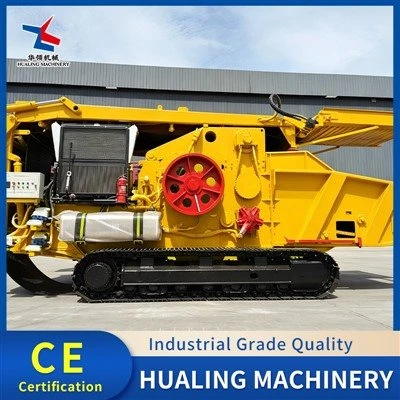
First off, let’s get one thing out of the way: cardboard and wood are not the same. Wood’s got that fibrous, tough structure packed with lignin—you know, the stuff that makes trees strong. Cardboard? It’s mostly cellulose pulp pressed flat, right? It’s lighter, more flexible, and way drier than green wood most of the time. So does that mean a wood chipper can handle it? Short answer: Yes, but only if you’re using the right kind of chipper, and you do a little prep first—skip that, and you’re gonna have a bad time.
Let’s talk about the types of wood chippers first, because not all are created equal. There are two main types we supply: drum chippers and disc chippers. Drum chippers are the ones with a big rotating drum full of blades, usually used for bulk wood—like clearing a whole lot of yard waste after a storm. Disc chippers have a flat, heavy disc with blades that spin super fast, more for consistent, small-to-medium wood pieces. Now, which one works better for cardboard? Drum chippers, hands down. Disc chippers tend to shred cardboard into wispy little strips that might blow all over the job site if you’re not careful. Drum chippers? They crush and shear the cardboard into uniform chunks, which is way better if you’re planning to compost it, use it as animal bedding, or even mix it in with wood chips for mulch.
But here’s the catch—if you just toss a stack of wet, glued-together cardboard boxes into a chipper? You’re asking for trouble. I’ve seen a customer do that last month: he was clearing out a warehouse, had 500 pounds of sealed boxes, and just dumped them straight into our entry-level drum chipper. Half the machine jammed within 90 seconds, and we had to send a service tech out at 2 a.m. to unclog it. Why? Cardboard has that sticky adhesive from packing tape, plus when it’s wet, it gets soggy and clumps up around the blades. So prep is non-negotiable. What’s the right prep? First, rip off all the packing tape—metal tape is even worse, it can dull your blades or bend them. Then, break down the boxes flat, don’t just toss them as whole cubes. Even if they’re dry, flat pieces go through the feeder way smoother than big, bulky ones that can bunch up. If you have any corrugated cardboard vs. the plain stuff, that’s fine—corrugated is just two layers with a fluted middle, and the blades will cut right through that no problem.
Now, let’s get into the actual science of why cardboard works with wood chippers, to calm anyone who’s been nervous about damaging their machine. Cellulose fibers—both in wood and cardboard—have similar molecular structures, right? Wood’s cellulose is longer and more tightly bound, cardboard’s is shorter, but both break down when subjected to the shear force of chipper blades. The key is the force: wood chippers are built to exert 1,000+ PSI of shear pressure on material, which is way more than enough to split cardboard’s fiber bonds. The main difference is density—cardboard is about 0.15 g/cm³, while soft pine is around 0.5 g/cm³. So it’s less dense, which means it actually requires less force to process than most small-to-medium wood pieces. That’s a big win if you’re running a side hustle or a small business—you don’t need to crank the machine to full power to run cardboard.
Wait, but what about the mess? I mentioned that earlier. If you use a disc chipper, you’re gonna get a shower of tiny cardboard bits flying everywhere. That’s not just annoying—it can be a fire hazard if you’re working near any open flames, or even just a pain to clean up. With a drum chipper, because the material is forced through a discharge chute that’s usually pointed down or to the side, the chunks stay contained. Our drum chippers even have optional screens you can put on the discharge to make the chunks even more uniform, which is perfect if you’re selling the processed material to local farms or composting facilities. Speaking of those facilities—we’ve had a ton of customers tell us that mixing cardboard chips with wood chips cuts down on the cost of buying mulch, and the composting facilities love it because cardboard breaks down faster than wood, so it adds carbon to the pile, which is essential for good compost.
Now, let’s talk about when cardboard is a bad idea. Wait, is there such a thing? Yeah—if the cardboard is coated with wax, plastic, or other non-paper materials. That stuff doesn’t break down, and it can gum up your blades. We had a customer try processing waxed cardboard last year, and by the end of the day, the blades were so coated in wax that they couldn’t cut wood at all. You can fix it by scraping the blades, but that’s a total headache. Also, if you have cardboard with food residue—like pizza boxes, grease-stained boxes—don’t process that with wood if you’re planning to use the chips for mulch or animal bedding. The grease can soak into the wood and make it smelly, or even attract pests. Save those for dedicated cardboard recycling, or compost them separately if you have a compost system that can handle food-soiled material.
Another thing: size matters. If you have super large pieces of cardboard—like a big cardboard box that’s 4 feet tall, don’t just toss it in whole. Cut it into 2×2 foot pieces first. That way, it feeds through the chipper’s inlet without bunching up, which prevents jams. Our team always tells customers: treat cardboard like you would small branches. Cut it to size, remove any foreign materials, and you’re golden. We even have a few small business customers who use our chippers specifically for cardboard when they’re not processing wood—like shipping companies that get hundreds of boxes a week, they process the cardboard into chips and sell it to local farmers for livestock bedding. That’s a huge cost savings for them, instead of paying to haul the cardboard to the landfill.
Let me share a real example, because I hate abstract stuff. Last quarter, we worked with a small e-commerce company in Ohio. They were paying $120 a load to dump cardboard at the landfill every month. They bought our compact drum chipper, started processing all their cardboard (after removing tape, flatting it out), and now they only have to haul a tiny bin of extra chips once every 3 months. They told us they saved over $1,100 in the first 2 months alone. That’s not chump change, right? And they even mix the cardboard chips with wood chips from their office’s old desk furniture to sell as premium mulch to local homes. It’s a full circle thing.
Now, what about maintenance? Do you have to do anything extra when processing cardboard? Not really, as long as you follow the prep steps. Blades will still wear at the same rate as when you’re processing wood—they just need sharpening every 50-100 hours of use, same as always. The only extra tip we give is to run a few small wood pieces through the chipper after processing cardboard to clean any leftover dust or small cardboard bits out of the blades. That way, when you go back to processing wood, you don’t have any cardboard dust mixing in, which isn’t a big deal but might make your mulch look a little uneven.
Wait, I know some people are gonna ask: can I use a handheld chipper for cardboard? No, wait—handheld chippers are usually the small ones you use for backyard branches, like the ones that fit in the back of a pickup. Those are way too low-powered for cardboard. They might tear it up a little, but not process it into useful chunks. You need a mid-sized to industrial wood chipper for cardboard processing—something with at least a 5-horsepower motor, which is what most of the models we supply have. If you’re thinking of a tiny 2-horsepower chipper, that’s just not gonna cut it (pun again, sorry).
Let’s wrap this up, no beating around the bush. So to answer the original question: Yes, a wood chipper can absolutely process cardboard, but it depends on the type of chipper, how you prep the cardboard, and what you plan to do with the finished product. Drum chippers are your go-to for consistent, contained chunks, prep is key (remove tape, flat, cut to size), and avoid coated or food-soiled cardboard if you want usable end material. And the best part? It’s not just a fun project—lots of businesses are saving money, reducing landfill waste, and even making extra cash from processed cardboard chips.
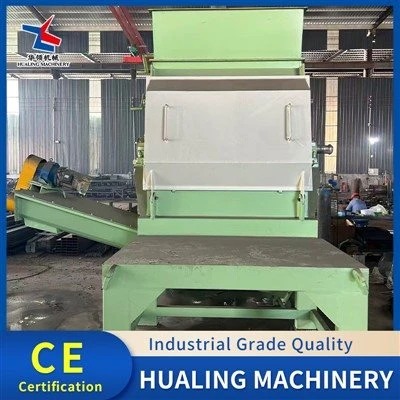
If you’re someone who’s got a stack of cardboard piling up, or you’re a business looking to cut waste and costs, we’ve got the chippers that work for both wood and cardboard. We’ve tested every model we supply with all kinds of cardboard—plain, corrugated, new, even old warehouse boxes—and they perform every time. No jams, no damage, just consistent processing. If you want to talk through your specific needs—whether you’re a homeowner clearing out a garage, a small business with shipping boxes, or a landscaping company looking to expand your mulch options—reach out, and we can walk you through which model is right, and even share a few tips we’ve picked up over the years. No sales pitches, just straight advice from the team that builds these machines and uses them every day.
Wood Hammer Mill REFERENCES
US Environmental Protection Agency. (2022). Solid Waste Management: Reducing Landfill Waste from Packaging and Paper Products. U.S. EPA.
National Wood Recycling Association. (2021). Composting with Wood and Cardboard Materials. NWRA Annual Technical Report.
University of California Agriculture and Natural Resources. (2020). Small-Scale On-Farm Use of Cardboard and Wood Chips for Livestock Bedding and Mulch. UC ANR Publication 8555.
Shandong Hualing Machine Manufacturing Co., Ltd.
As one of the most professional wood chipper machine manufacturers and suppliers in China, we also support customized service with low price. Please rest assured to buy discount wood chipper machine in stock here from our factory. If you have any enquiry about quotation, please feel free to email us.
Address: Industrial Park, Dagong Village, Changshan Town, Zouping City, Shandong Province
E-mail: hualing@sdhualing.com
WebSite: https://www.hualingmachine.com/
