As a garden landscape sculpture supplier, I’ve spent thousands of hours walking through clients’ gardens, both big and small, and watching how a carefully placed sculpture shifts the entire feel of a space. I used to think gardens were just about plants—about how a rose blooms, how the grass looks after a rain, how a vine climbs a fence. But over the years, I’ve seen that a sculpture isn’t just a extra decoration; it’s a tool that shapes a garden’s aesthetic in ways that no number of well-tended perennials can. It’s the quiet turning point that makes a garden feel less like a patch of land and more like a thought-out, intentional space that reflects the people who care for it. Garden Landscape Sculpture
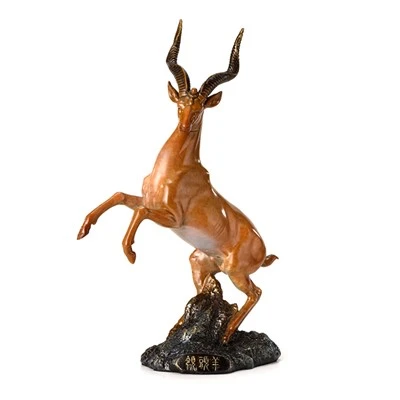
Let’s start with balance. Too often, gardens lean one way or another: all soft curves, all gentle lines, no hard edges to anchor the chaos of leaves and blooms. A sculpture does that. Last spring, a client reached out to me with a 10-year-old backyard—filled with mature oak trees, a wisteria arbor that had overgrown its frame, and a border of lavender that spread so wide it blurred the line between lawn and flower bed. She told me it felt like “a warm hug with no shoulders.” We landed on a weathered bronze heron sculpture, about three feet tall, set at the edge of her small pond. Suddenly, the curves of the arbor and lavender had a point to rest on. The heron’s straight neck and sharp, precise lines cut through all the softness, making the rest of the garden feel intentional, not messy. It wasn’t that the heron changed the plants; it was that it gave them a counterpoint, a visual beat that made every other element pop. That’s balance in action—something I’ve seen repeat again and again, from tiny urban balconies to sprawling estate gardens.
Then there’s storytelling. A garden is a narrative, right? It tells the story of the people who plant it, the seasons they’ve lived through, the moments they want to hold. Sculptures turn that quiet story into something visible. Take a client who lost her husband to a fishing accident. She had a small creek running through her suburban lot, and wanted a garden that felt like a tribute to his love of fly fishing. We installed a small, hand-cast bronze trout sculpture, mid-leap, tucked under a willow that overhung the creek. At first, she said she didn’t want something “cheesy”—but when she came out the next morning, she told me she’d sat on the bank and watched a real trout leap over the sculpture, and for a second, they looked like the same. That sculpture didn’t just add beauty; it turned her garden into a place where her husband’s memory felt present, not just in a photo on the fridge. It’s that personal connection that makes a sculpture more than metal or stone—it makes it part of the garden’s soul.
Light and shadow are another big one, something most people don’t think about until they see a sculpture do it. Plants cast soft, diffused shadows, especially in the shade. A sculpture, especially one with texture or open space, creates sharp, dynamic shadows that move as the sun does. In a small city courtyard I worked on, the space was only six feet wide, surrounded by brick walls, so it never got more than two hours of direct sun a day. We installed a corten steel abstract sculpture, thin and lacy, mounted on a low base against one wall. By mid-morning, the sun would filter through the sculpture’s cutouts, casting delicate, fern-like shadows across the wooden deck and the potted herbs. Suddenly, the tiny space felt bigger, brighter, and more layered. The shadows changed with the hour and the season—on summer afternoons, the shadows were long and lacy; on winter mornings, they were thin and sharp. That’s a way to add depth to a garden that no plant can do on its own.
Seasonal evolution is another area where sculptures shine. Too many garden elements, like annual flowers, fade in the winter. A good sculpture stays, adapting to the season instead of disappearing with the leaves. For a client in Vermont, we installed a life-sized stone rabbit sculpture, nestled among daylilies and coneflowers in her front garden. In summer, it blended in with the green foliage, almost hidden, a quiet detail for people who took the time to look. When fall came and the leaves turned gold and red, the rabbit’s pale stone stood out against the backdrop, a soft focal point when the rest of the garden was winding down. In winter, when the lawn was covered in snow, it was the first thing visitors saw when they walked up the path, a gentle, whimsical touch in a white landscape. That kind of adaptability keeps a garden feeling interesting year-round, not just a three-month spectacle.
I also want to talk about scale, because it’s easy to get wrong. A sculpture that’s too small gets lost in a large garden, and one that’s too big overwhelms a small space. I’ve seen clients make that mistake: a friend bought a giant marble bear sculpture for her 1,200-square-foot city backyard, and it took up most of the patio, leaving no room for a table and chairs. On the other end, a small ceramic bird sculpture that a client wanted for her 5-acre meadow got swallowed by the grass and wildflowers, so no one even noticed it. The right sculpture fits the space, matching its scale so it enhances, not dominates. Last year, a couple with a 1-acre rural property came to me, unsure what to do with a patch of their yard that had been overgrown for years. We recommended a 6-foot-tall corten steel abstract wave sculpture—big enough to stand out against the trees, but not so big that it looked out of place next to their small cottage. It became the centerpiece of that patch, turning a forgotten spot into the first thing people saw when they turned onto their driveway.
There’s also sensory appeal, something we don’t often talk about when it comes to garden design. Sculptures can engage more than just sight. A smooth marble sculpture feels cool to the touch on a hot summer day; a rough stone or weathered wood one invites you to run your hand over its surface. Even sound—some of the metal sculptures we make have open spaces that make a soft, humming sound when the wind blows through them. In a coastal garden I worked on in Maine, we installed a group of small brass bird sculptures mounted on thin poles. When the ocean wind blew, they clinked softly, adding a quiet, soothing sound to the rustle of the beach grass. That adds a whole other layer to a garden’s aesthetic—turning a space that’s just visual into one that you can touch, listen to, even feel.
I’ve seen too many people approach garden design as a checklist: plant this, add that, make sure it blooms in spring. But a sculpture is the element that turns a collection of plants into a space that feels lived-in, that has personality, that makes you want to spend more time there. It’s not just for show; it’s a way to balance the chaos of nature, tell a story, add depth and light, and make a garden feel like yours.
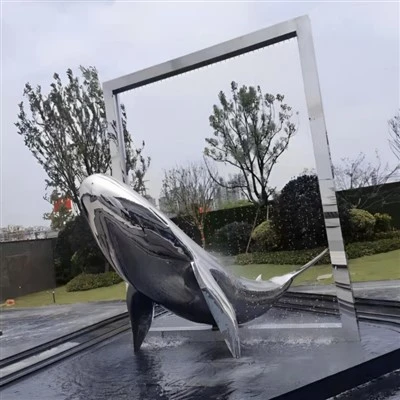
If you’re looking to add that kind of piece to your garden—whether it’s a small accent for a balcony, a centerpiece for a large estate, or something that carries a personal meaning—we can help. We work with you to understand your space, your style, and what you want your garden to say, crafting or sourcing sculptures that fit perfectly, no matter how big or small the project. Contact us to discuss your vision for your garden, and we’ll walk through options that will enhance its aesthetic in ways you didn’t even imagine.
Bronze Art Gallery References
- Francis, M. (1997). The Scott Handbook of Landscape Architecture. Wiley.
- Hoyle, J. (2010). Garden Art: The Language of Sculpture in Outdoor Spaces. Timber Press.
- University of California Agriculture and Natural Resources. (2018). “Scale and Proportion in Garden Design.” Publication 8282.
Huizhou Hexin Intelligent Manufacturing Industrial Co., Ltd.
Huizhou Hexin Intelligent Manufacturing Industrial Co., Ltd. is one of the most professional garden landscape sculpture manufacturers and suppliers in China. Please feel free to buy the newest garden landscape sculpture made in China here and get pricelist from our factory. All customized products are with high quality and competitive price.
Address: No. 31, Second Industrial Zone, Nankeng Village, Xinxu Town, Huiyang District, Huizhou City, Guangdong Province, P.R.China
E-mail: hztbjr@126.com
WebSite: https://www.bronzehexin.com/
