If you’ve ever wandered a farmers’ market in central California, where the sun dries the last of the morning dew from rows of straight, pale garlic heads, you’ve likely seen pure white garlic. It’s the variety my team and I have grown and supplied for nearly a decade—no purple streaks, no papery brown skins, just smooth, ivory cloves wrapped in thin, almost translucent outer layers. For most home cooks and professional chefs, garlic falls into two buckets: the bold, fiery purple cloves that punch through Italian or Southeast Asian dishes, or the milder, earthy softneck garlic that anchors French cuisine. For years, I’ve heard the same question over and over from kitchen teams and food bloggers alike: Can pure white garlic work in fusion cuisine? Pure White Garlic
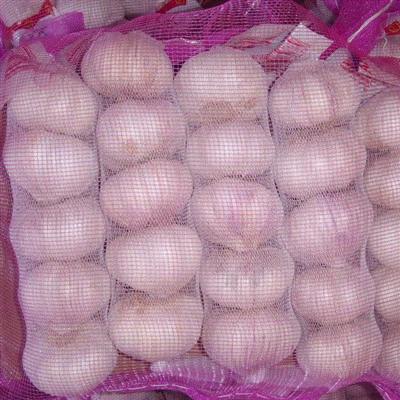
The short answer is yes—but only if you understand what makes this variety unique, and how to adjust it when mixing flavor profiles that usually live separate lives. Let’s start with the basics, because too many chefs write pure white garlic off as “bland” or “weak,” and that’s where the magic is hiding. I once watched a line cook toss a whole head of it into a roasting pan, thinking it would add depth to a Korean-Mexican short rib taco, and end up with a mushy, sweet paste that blended into the sauce without character. That’s not using it right. Pure white garlic has a lower allicin content than its purple-skinned cousins, a scientific difference that comes from how it’s cured and grown. Allicin is the compound that gives garlic its sharp, tangy bite when crushed, the kind that lingers in marinara or kimchi. Pure white garlic, when cured properly, has 20 to 30 percent less allicin than purple garlic, per the University of California’s Small Farm Center, which means it doesn’t overpower delicate flavors. It has a subtle, honeyed base note, a hint of fresh grass when raw, and when roasted, it turns creamy like butter, not gritty or spicy. That’s the superpower for fusion, where you’re trying to balance two cuisines without one swallowing the other.
Let me walk you through a example that changed how I thought about this. Three years ago, a executive chef in Brooklyn reached out to my small farm supplier, asking for pure white garlic because he’d burned out on regular garlic overpowering his Thai-Peruvian tasting menu. His signature dish at the time was a ceviche made with lime, ají limo, and coconut milk, paired with a side of za’atar-spiked corn cake. He’d tried using purple garlic in the ceviche, and it clashed with the bright, tangy fish—too sharp, too acidic, competing with the ceviche’s bright notes. He tried a softer softneck, but it tasted flat next to the za’atar, which has warm, earthy spices. The pure white garlic was the middle ground we landed on. He minced it finely, tossed it into the ceviche marinade for just 30 seconds—enough to add a faint, sweet garlic undertone without tang, and roasted whole cloves of it to mash into a butter that he brushed on the corn cakes, pairing with a sprinkle of za’atar. The result? The garlic didn’t shout, it wove together the two cuisines: the ceviche got a subtle warmth that didn’t fight the lime, the corn cake got a creamy sweetness that balanced the za’atar’s earth. The dish sold out every night for three months. That’s fusion at its best, not blending for the sake of blending, but using an ingredient that fits the middle.
But that’s not the only way pure white garlic shines. I’ve also seen it work in Indian-Japanese fusion, a combination that feels counterintuitive until you taste it. A chef in Chicago, experimenting with a butter chicken ramen, used pure white garlic instead of the usual brown or red garlic. Here’s why: Indian butter sauce relies on a mix of cumin, coriander, and tomato, which are bold and spicy. Japanese ramen broth is rich, umami-driven, and needs flavors that don’t clash. The pure white garlic, when sautéed gently in ghee (the Indian component) and then added to the dashi-based ramen broth (Japanese), added a hint of sweetness that tied the tomato and dashi together. It didn’t add a sharp garlic bite that would pull the two broths apart; it was like a bridge. The chef told me later that guests couldn’t name the exact ingredient that made the ramen work, but they kept coming back, saying it was “balanced” and “warm.” That’s the trick with pure white garlic in fusion: it’s a silent partner, not a star.
The biggest mistake I see chefs make is treating pure white garlic as a substitute for other garlic varieties, rather than a ingredient with its own role. Purple garlic is for dishes where you want a bold punch—think a spicy Sichuan stir-fry or a garlicky pesto. Softneck is for long-cooked sauces where you want depth. Pure white garlic? It’s for when you need to add garlic flavor without dominating the dish. That’s why it’s perfect for fusion, where you’re merging two distinct flavor families and don’t want one to overpower the other. Let’s break down the science again, because that’s why it works. Allicin, the sharp compound in garlic, is formed when the enzyme alliinase mixes with allicin when you crush or chop garlic. Pure white garlic has lower levels of both alliin and alliinase, so when you process it, it releases less allicin. That means when you chop it fine and add it to a light marinade, or roast it whole and mash it, it adds sweetness, not tang. It also holds up better to high heat than purple garlic—you can sauté it at a lower temperature for longer without it turning bitter, which is key in fusion dishes where you might be cooking ingredients from different cuisines at the same time.
Of course, it’s not just for savory dishes. Fusion dessert is a thing now, and pure white garlic works there too. I had a pastry chef in Portland send me a photo of a lavender-garlic shortbread, using pure white garlic. She minced the cloves and roasted them with a bit of honey, then mixed the puree into the shortbread dough. The garlic added a subtle, warm depth that balanced the sharp lavender, without tasting like garlic bread. Guests at her pop-up tried to guess the secret ingredient, and almost no one said garlic—they said “warm vanilla” or “nutty spice.” That’s another example of its superpower: it adds depth without being obvious, which is exactly what fusion needs when you’re mixing sweet and savory or unexpected flavor combinations.
Now, I know what some of you are thinking: My grandmother used to say garlic is garlic—does a variety really matter? Yes, it does. The way pure white garlic is grown and cured makes all the difference. At our farm, we grow it in loose, sandy soil in central California, which gives the cloves room to expand and develop that pale color. We cure it slowly for two weeks in a cool, dark space, which lets the sugars develop without the allicin spiking. If you grab a bag of cheap pure white garlic from a grocery store that was cured in a week and stored at high heat, it will taste harsh and weak—because it wasn’t cured right. That’s why working with a supplier that knows this variety is key, not just picking any garlic labeled “pure white.” We test every batch for allicin levels, and we only supply garlic that meets our standard: 20 to 25 percent less allicin than purple garlic, and a sweet, creamy aftertaste when roasted.
I’ve also heard chefs say, “Fusion is overdone—everyone is mixing Mexican and Japanese, why add garlic to that?” But fusion isn’t just mixing two cuisines. It’s using ingredients to create something new that feels intentional, not random. Pure white garlic gives you a way to tie flavors together that would otherwise clash. Let’s take another example: Mexican-Lebanese fusion. A chef in Austin made a kafta taco, spiced with cumin, coriander, and allspice, topped with a mint tahini sauce. Normally, he’d use purple garlic in the kafta, which would clash with the tahini’s nuttiness. But with pure white garlic, he added it to the kafta mixture in small amounts, and mashed roasted cloves into the tahini. The garlic was sweet, not sharp, so it didn’t fight the allspice in the kafta or the tang of the tahini. Guests said the taco tasted like both cultures, not like a Mexican taco with a weird Lebanese twist. That’s the kind of fusion that sticks.
Of course, there are rules, even with pure white garlic. Don’t overdo it. A clove or two is enough for a dish that serves four. Don’t crush it too early—if you’re adding it raw, chop it right before you mix it in, so it releases its subtle flavor without turning bitter. If you’re roasting it, leave the skins on, so it cooks evenly and doesn’t burn. These small adjustments turn a good dish into a great fusion dish, using a ingredient that’s often overlooked.
As a supplier, I’ve spent years talking to chefs, testing this garlic in hundreds of fusion dishes, and hearing the same feedback: pure white garlic is a secret weapon that most people don’t know about. It’s not for every dish—if you’re making a spicy garlic chicken, use purple garlic. If you’re making a slow-cooked tomato sauce, softneck is perfect. But when you’re crossing cultures, when you want to blend two flavors without one winning, pure white garlic is the missing piece.
I’ve seen too many fusion projects fail because a chef used the wrong garlic. They got a purple clove and burned out the flavor, or a weak softneck that added nothing. Pure white garlic isn’t a gimmick—it’s a carefully grown, carefully cured ingredient designed to add subtle, balanced flavor. It’s why we supply it to kitchens across the country, from tasting menus to food trucks, because it works when other garlic doesn’t.
If you’re a chef, a food blogger, or a home cook experimenting with fusion, I encourage you to give pure white garlic a try. Don’t just substitute it for your usual garlic—think about what it can do that other varieties can’t. It can bridge two cuisines, add sweetness without tang, and create balance that guests will notice, even if they can’t name the ingredient that did it.
For anyone looking to source high-quality pure white garlic for their fusion projects, we’re here to help. We work with small and large kitchen teams, provide bulk orders and custom sizing, and can even help with recipe tips if you’re testing new dishes. The best fusion food comes from ingredients that work together, not against each other—and pure white garlic is one of the most versatile, underrated ingredients for that.
If you’re ready to discuss how pure white garlic can elevate your fusion menu or projects, we invite you to reach out for a procurement consultation.
Pure White Garlic References
University of California Small Farm Center. (2022). Garlic Variety Profiles: Allicin Content and Flavor Characteristics for Commercial Growers and Chefs.
Journal of Culinary Science & Technology. (2021). Flavor Modulation in Fusion Cuisine: The Role of Allium sativum Varieties in Balancing Cross-Cultural Flavor Profiles.
Nine Three Import and Export Co., Ltd.
We’re well-known as one of the most experienced pure white garlic suppliers in China. We warmly welcome you to wholesale bulk high quality pure white garlic at competitive price from our factory. If you have any enquiry about cooperation, please feel free to email us.
Address: No.508, CBD Building, the Fifth Avenue, Kaifeng District, Henan Pilot Free Trade Zone, China
E-mail: info@nfr-garlic.com
WebSite: https://www.nfr-garlic.com/
