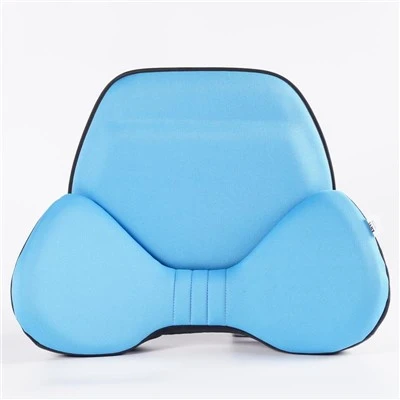
Memory foam pillows have gained significant popularity in recent years due to their unique ability to conform to the shape of the head and neck, providing personalized support and comfort. As a supplier of high – quality memory foam pillows, I am often asked by customers how long it takes to get used to these pillows. In this blog, I will explore this question in detail, drawing on scientific research and real – world experiences. Memory Foam Pillow
Understanding Memory Foam Pillows
Before delving into the adaptation period, it’s important to understand what memory foam pillows are and how they work. Memory foam, also known as viscoelastic foam, was originally developed by NASA in the 1960s to cushion astronauts during spacecraft launches. It is a polyurethane – based material with open – cell structure. When pressure is applied, the foam compresses and molds to the shape of the object pressing on it. Once the pressure is removed, the foam slowly returns to its original shape.
This property of memory foam makes it ideal for pillows. It can adjust to the unique curve of an individual’s head and neck, promoting proper spinal alignment during sleep. Proper spinal alignment can help reduce neck and back pain, improve blood circulation, and enhance sleep quality.
Factors Affecting the Adaptation Period
The time it takes to get used to a memory foam pillow can vary significantly from person to person. Several factors contribute to this variation:
1. Previous Pillow Usage
People who have been using traditional pillows, such as polyester – filled or down pillows, may take longer to adapt to memory foam pillows. Traditional pillows usually offer a softer and more yielding support, while memory foam pillows provide a firmer and more contouring support. For example, someone who has used a down pillow for years may initially find a memory foam pillow too firm and less fluffy. On the other hand, individuals who have previously used firm pillows may adapt more quickly to the support provided by memory foam.
2. Sleeping Position
Your sleeping position also plays a crucial role in the adaptation process. There are three main sleeping positions: back, side, and stomach.
- Back Sleepers: Back sleepers need a pillow that maintains the natural curve of the neck. Memory foam pillows can often provide excellent support for back sleepers, as they can fill the natural gap between the neck and the mattress. Most back sleepers may adapt to memory foam pillows within 1 – 2 weeks.
- Side Sleepers: Side sleepers require a pillow that is thick enough to keep the head in line with the spine. Memory foam pillows can be adjusted to provide the right amount of support. However, some side sleepers may take 2 – 3 weeks to get used to the feel of memory foam, especially if they are used to very soft pillows.
- Stomach Sleepers: Stomach sleepers usually need a very thin pillow or no pillow at all to avoid putting excessive strain on the neck. Memory foam pillows may feel too thick and firm for stomach sleepers, and they may take the longest time, up to 4 weeks or more, to adapt or may even find it difficult to get used to them.
3. Personal Sensitivity
Some individuals are more sensitive to changes in their sleeping environment than others. People with a high level of sensory sensitivity may find it more challenging to get used to the new feel and support of a memory foam pillow. For example, they may be more aware of the slight delay in the foam returning to its shape or the way the pillow warms up due to body heat. These individuals may require 3 – 4 weeks to feel comfortable with a memory foam pillow.
The Adaptation Process
The adaptation process to a memory foam pillow typically involves a few stages:
Initial Discomfort (First Few Days)
When you first start using a memory foam pillow, you may experience some discomfort. This can be due to the difference in firmness and feel compared to your old pillow. You might feel that the pillow is too hard, or that it doesn’t provide the same kind of support you’re used to. Some people may also notice that the pillow retains heat, which can make them feel warmer during sleep. This initial discomfort is normal, and it’s important to give your body time to adjust.
Gradual Adjustment (1 – 2 Weeks)
Over the next one to two weeks, your body will start to get accustomed to the new pillow. As you sleep on the memory foam pillow, it will continue to mold to the shape of your head and neck, providing more personalized support. You may notice a reduction in neck and shoulder pain, as your spine is better aligned. Some users also report improved sleep quality during this period, as they are more comfortable throughout the night.
Full Adaptation (2 – 4 Weeks)
After two to four weeks, most people will have fully adapted to the memory foam pillow. They will no longer feel the initial discomfort, and the pillow will feel like a natural part of their sleep environment. At this stage, you should be experiencing the full benefits of the memory foam pillow, such as reduced pain, better sleep, and improved spinal alignment.
Scientific Evidence on Adaptation
Several scientific studies have explored the effects of memory foam pillows on sleep quality and comfort. A study published in the Journal of Chiropractic Medicine found that patients who switched to memory foam pillows reported a significant reduction in neck pain and an improvement in sleep quality after four weeks of use. Another research in the International Journal of Occupational Safety and Ergonomics concluded that memory foam pillows can effectively promote better spinal alignment compared to traditional pillows. These studies suggest that, on average, it takes about four weeks for most people to adapt to memory foam pillows and experience their full benefits.
Tips to Shorten the Adaptation Period
If you’re eager to get used to your memory foam pillow more quickly, here are some tips:
- Choose the Right Pillow: Make sure you select a memory foam pillow that is suitable for your sleeping position and preferences. For example, if you’re a side sleeper, look for a thicker pillow; if you’re a back sleeper, a medium – thickness pillow may be sufficient.
- Give it Time: Don’t expect to feel comfortable right away. Be patient with your body’s adjustment process and give it at least two weeks to get used to the new pillow.
- Keep the Pillow Clean: Regularly clean your memory foam pillow according to the manufacturer’s instructions. A clean pillow will not only last longer but also feel more comfortable.
- Use a Pillowcase: A high – quality, breathable pillowcase can help improve the feel of the memory foam pillow and reduce heat retention.
Conclusion
In conclusion, the time it takes to get used to a memory foam pillow can range from one to four weeks, depending on various factors such as previous pillow usage, sleeping position, and personal sensitivity. While the initial adaptation period may involve some discomfort, once your body adjusts to the unique support and comfort of a memory foam pillow, you can enjoy numerous benefits, including reduced pain and improved sleep quality.
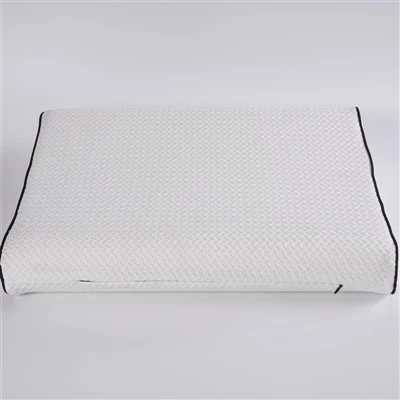
As a memory foam pillow supplier, I am dedicated to providing our customers with the highest – quality products. If you are interested in exploring our range of memory foam pillows or have any questions about the adaptation process, please feel free to contact us for procurement discussions. We are here to help you find the perfect pillow for a restful night’s sleep.
Memory Foam Lumbar Supports References
Journal of Chiropractic Medicine
International Journal of Occupational Safety and Ergonomics
Linyi Lujie International Trade Co., Ltd.
As one of the most professional memory foam pillow manufacturers and suppliers in China, we’re featured by quality products and good price. Please rest assured to wholesale bulk durable memory foam pillow in stock here from our factory.
Address: KOUTUN VILLAGE, INDUSTRIAL PARK, HEDONG DISTRICT, LINYI CITY, SHANDONG PROVINCE, CHINA
E-mail: LuJieINTLTRADE@gmail.com
WebSite: https://www.ljmemoryfoam.com/
