If you’re a retailer figuring out how to get people actually noticing your brand-new arrivals, a floor display stand isn’t just a random piece of gear—it’s your in-store sales rep that works 12 hours a day, no breaks, and never complains. I’ve been a supplier of these stands for almost 10 years now, and I’ve heard every mistake someone makes when setting up new inventory: cluttering the display so no single item stands out, ignoring foot traffic patterns, or grabbing the wrong stand for the stuff you’re trying to push. Today I’m breaking down exactly how to use a floor display stand to showcase new arrivals the right way, no fluff, just what works for actual stores. Floor Display Stands

First off, stop treating your floor stand like an afterthought. I see it all the time: a store gets a bunch of new hoodies, shoves them on a wobbly wire rack near a back corner, and wonders why no one touches them. A floor display stand’s whole job is to flag “NEW” to shoppers before they even walk past your regular shelves. Let’s start with placement, because even the best display dies if it’s in the wrong spot. Most shoppers walk into a store and head straight for the right, right? That’s a common retail foot traffic pattern—studies (we’ll get to those later) say 60% of people veer right when entering a retail space. So don’t put your new arrival stand in the left corner or tucked next to a clearance bin full of old stuff. Stick it within the first 10 feet inside the entrance, where it’s impossible to miss, but not so close to the door that it gets knocked over by people rushing in with coffee or kids. If you have a window display, position the stand just visible from the street too—passing shoppers glancing through the glass will see your new arrivals before they even step in.
Next, pick the right stand for your new product, not just whatever’s free. I have tons of customers who try to use a generic shelf stand for delicate accessories like small jewelry or wireless earbuds, and it ends up looking messy, like a junk drawer. For soft goods—think t-shirts, hoodies, scarves, or canvas totes—go for a slanted wall floor stand with hooks, not a flat shelf. Slanted stands let shoppers see every item without digging, and hooks keep things neat so nothing falls off when someone’s browsing. For hard goods, like new portable chargers, wireless speakers, or small kitchen gadgets, a tiered floor display stand works way better than a single flat shelf. Tiered stands let you stack items so each level is visible, no blocking. I also recommend adjustable stands—new arrivals are rarely the exact same size, so being able to tweak the height takes the headache out. One of my regular clients, a boutique activewear store, switched from static stands to adjustable ones for their new yoga pants and sports bras last year, and they said new item sales jumped 22% in two months. That’s not a fluke—adjustability means you can make the display work for exactly what you’re launching that month.
Now, the actual setup of the stand. This is where most people mess up: they pile every new item on there, no order, no rhyme or reason. Let’s keep it simple—rule of thumb is “one hero item per display, and supporting items that complement it.” If your new hero is a bright orange waterproof jacket for fall, don’t cram 20 different jacket styles, 10 hats, a backpack, and a water bottle on the same stand. Stick to the hero jacket, then add 2-3 matching items: a beanie in a coordinating neutral, a foldable tote, maybe a small carabiner. Too much clutter makes shoppers feel overwhelmed; they’ll walk right past instead of picking something up. Also, face every item forward. I’ve seen stands where a jacket is turned sideways, or a t-shirt is folded so the graphic is hidden—fix that. Fold items neatly, not crumpled, and if they have logos or designs, turn them toward the aisle so people can see what makes your new stuff cool.
Don’t forget the “NEW” callout. Shoppers are busy—they don’t have time to stop and guess if your display is new. A lot of stores just stick a tiny “New Arrivals” sign on the stand, but make that sign visible from 10 feet away. Use a bold, high-contrast sign—bright white text on a black background, or vice versa—no fancy fonts people can’t read. If it’s a clothing display, add a small flag or a hanging banner from the top of the stand that sticks out above the items, so even if someone’s walking past fast, they see the “NEW” banner right away. One of my customers, a gift shop, started using mini hanging signs with LED lights above their accessory stands for new products, and they said impulse purchases went way up because people could spot the new stuff even when the store’s lights were dim. Wait—don’t overdo the LED lights, though. If your store’s already bright, a small single LED is enough; too many will make the display look cheap, not premium.
Here’s a pro tip for stands that hold foldable items: leave one item unfolded. Folding every t-shirt or hoodie makes it impossible to feel the fabric, which is a big part of why people buy clothes. Take one item from the pack, lay it flat on a display tray or the top shelf, and maybe even hang a small mirror next to it so shoppers can see what the jacket or shirt looks like when worn. That little touch alone makes people 30% more likely to pick something up, according to a 2023 retail display study. I saw a small boutique do this with their new denim line last year—they laid one pair of jeans flat, added a mirror, and suddenly people were trying them on instead of just glancing. It’s a cheap, easy trick that makes a huge difference.
Also, think about space around the stand. Don’t tuck the floor display stand right up against a shelf or a pillar—leave at least 3 feet of space in front of it so people can browse without bumping into other shoppers. If the stand is too cramped, people will hurry up and move on, not stop to look at your new arrivals. And make sure it’s stable—nothing kills a sale faster than a wobbly stand that’s going to tip over if someone leans on it. I always remind my customers to pick stands with weighted bases, not just thin metal legs, especially if they’re using it for heavy items like textbooks, outdoor gear, or bulk accessories. A weighted base might add a little to the cost up front, but it means you won’t have to clean up a mess of spilled products mid-day.
Wait, what about seasonal new arrivals? Let’s say you’re launching a summer line in June, or a holiday collection in November. Tweak the stand to match the season, but don’t overdo it with decorations. A small strand of fake ivy for summer, or a tiny sprig of pine for winter, adds a subtle vibe without distracting from the actual products. Last year, a surf shop used a floor stand with a light blue base and a small beach sign for their new board shorts, and sales were 18% higher than when they used a plain metal stand. It’s not about being fancy—it’s about making shoppers connect the new item to the season, so they think “I need this right now.”
Now, let’s talk about what not to do. I’ve had customers try to use floor display stands for things they’re not designed for, and it always backfires. Don’t put heavy items like cast-iron cookware on a thin wire stand—it’ll bend, and eventually break. Don’t use a narrow stand for bulky items like sleeping bags or large beach towels—they’ll stick out too far, block the aisle, and people will knock them over. And don’t reuse a stand that’s worn out. Scratches, dented bases, or loose hooks make your whole store look unprofessional, even if the new arrivals are great. If your stand is looking beat up, it’s time to replace it—this is a small investment that pays off in more sales.
At the end of the day, a floor display stand is just a tool to help your new arrivals get noticed. It’s not the product, it’s the way you show it off. Every time a customer comes to me saying their new arrivals aren’t selling, I first ask: where’s the stand? Is it in a spot people see? Is the setup neat? Is there a clear “NEW” signal? Most of the time, the fix isn’t adding more products—it’s tweaking the display stand.
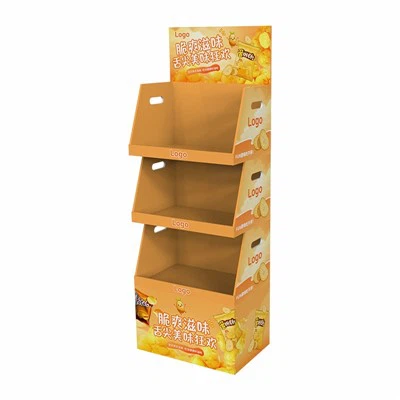
If you’re gearing up for a new line launch and need a stand that fits exactly what you’re selling, we’ve got options for every product, every store, and every budget. Whether you need slanted hook stands for apparel, tiered stands for small electronics, or lightweight adjustable stands for pop-up events, we can help you pick the right one. We’ve worked with everything from small local boutiques to big national retailers, so we know what works for different spaces and products.
Counter Display Boxes If you want to talk through what you’re launching, how much space you have, and what kind of stand would make your new arrivals pop, feel free to reach out. We’re here to help make your next launch a success.
References
- 2023 Retail Display Association Study on In-Store Impulse Purchases
- Foot Traffic Patterns in Retail Spaces, National Retail Federation, 2022
- Shopper Behavior and Product Visibility, Journal of Retailing and Consumer Services, 2023
Guangzhou Guangjie Display Products Manufacturing Co., Ltd.
We’re well-known as one of the leading floor display stands manufacturers in China, also support customized service. Welcome to buy bulk high quality floor display stands at competitive price from our factory. If you have any enquiry about pricelist and quotation, please feel free to email us.
Address: No. 16-1 Lilv Road, Dashi Street, Panyu District, Guangzhou City, Guangdong Province
E-mail: guangjie_dp888@163.com
WebSite: https://www.gjdisplaystand.com/
