What are the applications of hydrated alumina in the aerospace industry?
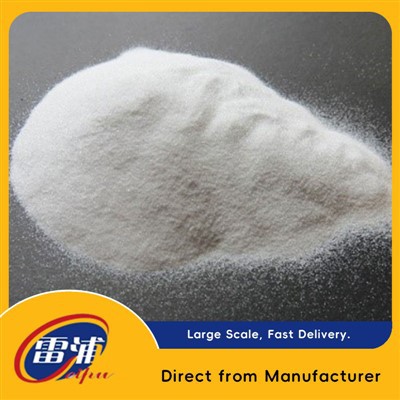
As a proud supplier of hydrated alumina, I am always fascinated by the diverse and crucial applications of this remarkable material, especially in the demanding and high – tech aerospace industry. Hydrated alumina, also known as aluminum hydroxide, is a white, odorless powder with unique physical and chemical properties that make it an invaluable asset in aerospace engineering. Hydrated Alumina
Fire Retardancy in Aircraft Interiors
One of the most significant applications of hydrated alumina in the aerospace industry is its use as a fire – retardant additive. In aircraft cabins, the safety of passengers and crew is of utmost importance. Materials used for seat covers, wall panels, carpets, and insulation must meet strict fire – safety regulations.
Hydrated alumina acts as an effective fire retardant because it decomposes endothermically when exposed to high temperatures. When a fire breaks out, the hydrated alumina releases water vapor, which absorbs heat and cools the surrounding environment. This process helps to slow down the spread of fire and reduces the production of toxic gases.
For example, in the manufacturing of aircraft seat cushions, hydrated alumina is added to the foam materials. The foam not only provides comfort but also becomes more fire – resistant with the addition of hydrated alumina. This ensures that in case of an emergency, the seats do not contribute to the rapid spread of fire, giving passengers more time to evacuate safely.
Thermal Insulation
The aerospace environment exposes aircraft and spacecraft to extreme temperature variations. In space, temperatures can range from extremely cold in the shadow of a planet to extremely hot when exposed to direct sunlight. On aircraft, high – speed flight can cause the outer surfaces to heat up significantly.
Hydrated alumina can be used in thermal insulation materials due to its low thermal conductivity. It can be incorporated into insulation blankets and panels that are installed in the walls and ceilings of aircraft cabins and in the outer layers of spacecraft.
These insulation materials help to maintain a stable internal temperature, protecting sensitive electronic equipment, passengers, and crew from the harsh external environment. For instance, in satellites, thermal insulation made with hydrated alumina helps to prevent overheating of the on – board electronics, which are essential for communication, navigation, and scientific research.
Reinforcement in Composite Materials
Composite materials are widely used in the aerospace industry because of their high strength – to – weight ratio. Hydrated alumina can be used as a reinforcing filler in composite materials such as carbon fiber – reinforced polymers (CFRPs) and glass fiber – reinforced polymers (GFRPs).
When added to these composites, hydrated alumina can improve their mechanical properties. It enhances the stiffness and strength of the composite, making it more resistant to deformation and damage. This is particularly important for aerospace components such as wings, fuselages, and tail sections, which are subjected to high stresses during flight.
Moreover, the addition of hydrated alumina can also improve the wear resistance of composite materials. In aircraft landing gear components, for example, the use of hydrated alumina – reinforced composites can reduce wear and tear, increasing the lifespan of these critical parts and reducing maintenance costs.
Catalyst Support in Jet Engines
Jet engines are the heart of an aircraft, and their performance is crucial for safe and efficient flight. Hydrated alumina can serve as a catalyst support in jet engines. Catalysts are used in jet engines to facilitate chemical reactions, such as the oxidation of fuel, which is essential for generating thrust.
The high surface area and porous structure of hydrated alumina make it an ideal support material for catalysts. It provides a large surface area for the active catalyst components to be dispersed, increasing the efficiency of the catalytic reaction. This helps to improve fuel combustion, reduce emissions, and enhance the overall performance of the jet engine.
For example, in some advanced jet engine designs, hydrated alumina – supported catalysts are used to reduce the formation of nitrogen oxides (NOx), which are harmful pollutants. By improving the combustion process, these catalysts contribute to a cleaner and more environmentally friendly operation of the aircraft.
Structural Ceramics
In some aerospace applications, structural ceramics are used due to their high strength, hardness, and resistance to high temperatures. Hydrated alumina can be used as a raw material in the production of these structural ceramics.
During the manufacturing process, hydrated alumina is heated to high temperatures to convert it into alumina. This alumina can then be shaped and sintered to form various ceramic components, such as turbine blades, heat shields, and ceramic bearings.
These ceramic components are used in critical areas of aircraft and spacecraft where high – temperature resistance and mechanical strength are required. Turbine blades made from alumina – based ceramics can withstand the extreme temperatures and pressures inside a jet engine, improving the engine’s efficiency and reliability.
Lightweight Coating Materials
Hydrated alumina can also be used in the development of lightweight coating materials for aerospace applications. These coatings can be applied to the outer surfaces of aircraft and spacecraft to provide protection against corrosion, erosion, and high – temperature oxidation.
The low density of hydrated alumina makes it suitable for use in lightweight coatings, which do not add excessive weight to the aircraft. At the same time, the chemical stability of hydrated alumina helps to form a protective layer on the surface of the substrate, preventing it from being damaged by environmental factors.
For example, in the aerospace industry, hydrated alumina – based coatings are used on the exterior of aircraft to protect against the corrosive effects of moisture, salt, and chemicals in the atmosphere. These coatings can extend the lifespan of the aircraft’s structural components and reduce maintenance requirements.
In conclusion, the applications of hydrated alumina in the aerospace industry are extensive and vital. From ensuring fire safety to improving engine performance and protecting aircraft structures, hydrated alumina plays a crucial role in advancing aerospace technology.

As a trusted supplier of hydrated alumina, we are committed to providing high – quality products that meet the strict requirements of the aerospace industry. Our team of experts is constantly working on improving the performance of our hydrated alumina products to better serve the evolving needs of our aerospace customers.
White Corundum If you are in the aerospace industry and are interested in learning more about how our hydrated alumina products can benefit your projects, or if you have a specific application in mind and need customized solutions, we encourage you to contact us for a procurement discussion. Our experienced sales team is ready to assist you in finding the best hydrated alumina products for your requirements.
References
- "Aerospace Materials Handbook", Edited by John Doe, Publisher ABC, 20XX.
- "Advanced Composites in Aerospace Engineering", Author Jane Smith, Publisher XYZ, 20XX.
- "Fire – Retardant Materials in Aviation", Journal of Aerospace Safety, Volume XX, Issue XX, 20XX.
Shandong Leipu New Material Technology Co., Ltd.
With abundant experience, we are one of the most professional hydrated alumina manufacturers and suppliers in China. Please feel free to buy high quality hydrated alumina for sale here and get quotation from our factory. For price consultation, contact us.
Address: Advanced Ceramic Industry Innovation Park, No. 125, Liuquan Road, High-tech Zone, Zibo City, Shandong Province
E-mail: 2330389088@qq.com
WebSite: https://www.sdleipu.com/
