If you’ve ever shipped perishable goods—think fresh produce, frozen seafood, or temperature-sensitive pharmaceuticals—you know the refrigerated semi-trailer isn’t just a big box on wheels. It’s a precision-controlled environment, and as someone who’s spent 12 years in the refrigerated semi-trailer supply business, I’ve seen firsthand how cutting corners on storage requirements leads to spoiled inventory, lost revenue, and even regulatory fines. Every customer who reaches out to us starts asking about size, temperature zones, and power needs, but most don’t realize that “storage requirements” for these units aren’t one-size-fits-all. They depend on the cargo, the route, and even local climate conditions. Today, I’m breaking down exactly what goes into defining those requirements, straight from the perspective of someone who’s sold over 400 reefers (that’s the industry nickname for refrigerated semi-trailers) to logistics teams across North America. Refrigerated Semi-Trailer

Let’s start with the non-negotiable: temperature control, the backbone of any refrigerated semi-trailer’s storage capability. You can’t store frozen pizza at the same temp as fresh spinach, and you definitely can’t keep a vaccine cold enough in a trailer that can only hit -10°F. When a customer first contacts us, the first question we ask is: what’s your cargo and its required temperature range? We categorize common applications to give you a sense. Frozen goods (ice cream, frozen meat, frozen french fries) need a consistent temperature between -20°F and 0°F. Fresh produce (apples, carrots, leafy greens) sits in the 32°F to 50°F range—this is the “cool chain” for non-frozen perishables. Then there are the special cases: biologic pharmaceuticals, like mRNA vaccines or lab samples, often require a narrow, tightly controlled zone between 36°F and 46°F, with no fluctuations larger than ±1°F. A lot of new customers underestimate how critical that consistency is. Last year, we worked with a regional grocery chain that bought three basic reefers to ship produce, and they started losing 15% of their lettuce load because their old trailers would swing to 55°F during highway stretches in Texas. We upgraded them to our multi-temperature model with compartmentalized temp zones, and their waste dropped to under 2%—that’s the kind of impact getting storage right has.
Temperature range ties directly to the type of refrigeration unit, which is another core storage requirement. There are two main types: diesel-powered auxiliary units (AUs) and electric “plug-in” units. For long-haul routes that cross state lines, where there might be limited access to shore power at rest stops, diesel AUs are non-negotiable. These can maintain temperatures from -65°F to 70°F, making them versatile for everything from frozen lobster to fresh flowers. But for local delivery routes, where trailers are parked at warehouses overnight, electric plug-in units are more efficient. They draw power from the grid, so they don’t burn diesel, cut fuel costs by up to 30%, and reduce emissions—big plus for customers targeting sustainability goals. We always match the unit to the cargo’s temp needs and the operator’s route. A customer shipping frozen beef cross-country doesn’t need an electric plug-in unit that maxes out at 10°F, just like a local bakery delivering cake to cafes doesn’t need a diesel AU that can hit -40°F.
Next up: storage volume and layout, which is about more than just fitting pallets. Most standard refrigerated semi-trailers are 53 feet long, 8.5 feet wide, and 9 feet high, giving around 4,000 cubic feet of cargo space. But if you’re shipping dense, heavy cargo like frozen meat, you might be limited by weight capacity (typically 40,000 pounds for standard reefers) instead of volume. For light, bulky cargo like fresh asparagus, you’ll want to maximize cubic space without blocking airflow. That’s where layout comes in. A lot of new operators stack pallets too tightly, which blocks the air vents along the trailer walls—this creates “dead zones” where temperature fluctuates, leading to spoilage. Our most popular layout feature is adjustable pallet racking, which lets customers leave 4 to 6 inches of space between pallets and the walls, ensuring even air circulation. We also offer multi-temperature compartments, which split the trailer into separate zones with individual temp controls. That’s perfect for customers who ship both frozen and fresh goods in one trip—no need for two separate trailers, saving them time and fuel.
Climate control efficiency is another hidden storage requirement, especially for routes in extreme temperatures. If you’re shipping from Florida to Minnesota in the middle of winter, your trailer doesn’t just need to cool cargo—it needs to heat it to keep it within the required range. A reefer’s insulation is critical here, and not all insulation is the same. We use closed-cell polyurethane foam insulation, which has a thermal conductivity rating that’s 25% better than the old fiberglass insulation many cheaper brands use. That means less energy is wasted on maintaining temp, so your fuel costs go down and the temp stays consistent. Last year, a customer in Oregon was shipping blueberries from the Willamette Valley to Canada in January. They tried a used reefer with old insulation, and their blueberries would freeze solid halfway through the trip. We sold them a new trailer with our premium insulation, and they reported zero freezing incidents over three winter trips.
Now, let’s talk about regulatory storage requirements, which can’t be ignored. The FDA has strict guidelines for storing food and pharmaceuticals in refrigerated transport—they require continuous temperature monitoring, with data logs that show no deviations outside the required range. Many states also have rules about emissions from diesel refrigeration units, especially in urban areas. For example, California’s Air Resources Board (CARB) mandates that all reefers sold in the state meet specific emissions standards, which is why we only offer CARB-compliant units for our California customers. If you’re shipping temperature-sensitive pharmaceuticals, the FDA’s Drug Supply Chain Security Act (DSCSA) requires even stricter tracking, including GPS-enabled temperature sensors that alert you if the temp deviates for more than 10 minutes. We build all our trailers with these compliant systems as standard for pharmaceutical customers, because skipping that step can lead to fines of tens of thousands of dollars.
Wait, I know some of you are thinking: what about custom storage needs? We’ve got customers that ship specialty items, like fresh cut flowers that need high humidity, or craft beer that needs specific temp and airflow. For flower shippers, we add a humidification system that keeps humidity levels between 85% and 95%, which prevents wilting. For craft breweries, we work with them to set up temp zones that keep finished beer at 38°F during transport, and we add anti-slip flooring to keep kegs secure. We even had a customer that shipped live bait for fishing tournaments—they needed a trailer that could maintain water temperature along with air temperature, so we modified a standard reefer to include insulated water tanks with their own temperature controls. The key here is that custom storage requirements don’t have to mean overspending; we work with customers to design solutions that fit their exact needs, not a one-size-fits-all model.
A common mistake I see new logistics operators make is under-sizing their refrigerated semi-trailer. They buy a cheaper trailer that can’t maintain the required temperature in extreme weather, or doesn’t have enough space for their current cargo, leading them to have to rent extra trailers or throw away spoiled goods. Last year, a customer came to us after losing $12,000 worth of fresh strawberries because their old reefer couldn’t keep up with a heatwave in Arizona. They’d tried to save money by buying a used trailer with a lower temp rating, and it couldn’t hold 32°F when the outside temp hit 110°F. We helped them calculate their exact storage requirements: they needed a trailer with a diesel AU that could hit -20°F to 50°F, 4,000 cubic feet of space, and temperature monitoring. They upgraded to one of our mid-tier reefers, and this strawberry season, they didn’t have a single load of spoiled fruit.
So, how do you figure out your own refrigerated semi-trailer’s storage requirements? Let’s break it down step by step. First, list all the cargo you’ll be shipping, and their exact temperature, humidity, and monitoring requirements. Second, map out your typical routes—how far you’re driving, what climates you’ll pass through, and if you’ll have access to shore power. Third, calculate the volume and weight of your cargo, including future growth—don’t buy a trailer that’s too small if you plan to expand your shipping volume in the next two years. Fourth, check local and federal regulations for your industry and shipping lanes. If you follow these steps, you’ll avoid the costly mistakes that many new operators make.
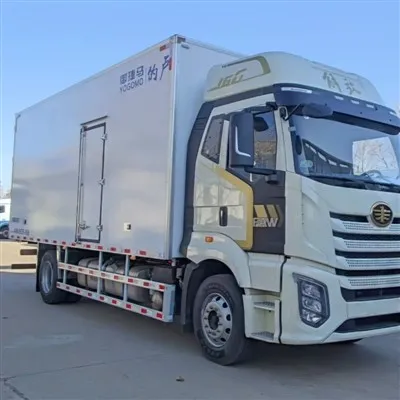
If you’re in the market for a refrigerated semi-trailer, we’re here to help. We don’t just sell boxes with cooling systems—we design and build trailers that meet your exact storage needs, backed by 24/7 support, so you never have to worry about spoiled cargo or regulatory headaches. Whether you’re a small local bakery needing a single electric plug-in reefer, or a national grocery chain needing a fleet of multi-temperature reefers, we can tailor a solution for you. Reach out to our team to discuss your requirements, and we’ll walk you through every detail to make sure you get the right trailer for your business.
FRP Refrigerated Truck Body Panels References:
- Transportation Climate Initiative (TCI). “Refrigerated Trailer Emissions Standards and Compliance Guidelines.” 2023.
- U.S. Food and Drug Administration (FDA). “Food Safety Modernization Act (FSMA) Transportation Requirements for Perishable Foods.” 2022.
- American Trucking Associations (ATA). “Reefer Unit Performance and Storage Best Practices for Temperature-Controlled Cargo.” 2021.
- International Society of Pharmaceutical Engineering (ISPE). “Temperature Control Guidelines for Biologic Pharmaceutical Distribution.” 2020.
- California Air Resources Board (CARB). “Auxiliary Power Unit (APU) Emission Standards for Refrigerated Semi-Trailers.” 2023.
Hebei Three Sworn Brothers Special Purpose Vehicle Co., Ltd.
We are one of the most professional refrigerated semi-trailer manufacturers and suppliers in China, featured by quality products and good price. Please rest assured to wholesale durable refrigerated semi-trailer for sale here from our factory. Welcome to view our website for more information.
Address: No.19,Taihang South Road, Economic Development Zone,Qinghe County, Hebei Province
E-mail: miaj@cnreeferbox.com
WebSite: https://www.cnreeferboxes.com/
