If you’ve ever stood next to a properly running steel billet reheating furnace, you know how much work those bad boys do. They take cold, solid billets—those dense, blocky steel pieces that become everything from car parts to construction beams—and blast them up to 1,100–1,250°C (that’s 2,000–2,280°F, if you’re not metric-inclined) so they’re soft enough to roll or stamp. The thing is, when a furnace is cranking 12+ hours a day, 6 days a week, it’s taking a beating. No part of that setup is built to last forever, right? So here’s the question I get all the time from steel mill maintenance managers: “How often should I actually maintain this thing?” Steel Billet Reheating Furnace
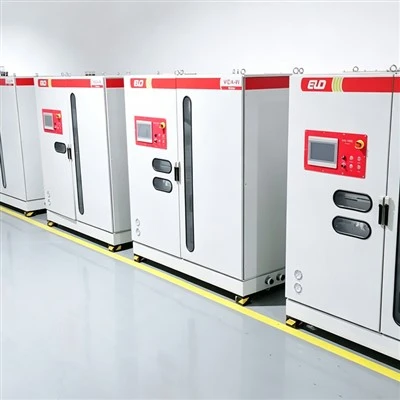
First, let’s get one thing straight: there’s no one-size-fits-all answer. I’m Jake—been selling and troubleshooting reheating furnaces for 11 years, worked with shops from small 50,000-ton-a-year operations up to big guys pulling 300,000 tons annually—and I’ve seen what happens when you skip maintenance vs. when you overdo it. The guys who fix things exactly when they need to are the ones hitting their production targets and not blowing their budget on unexpected breakdowns. The ones who either wait until the furnace craps out mid-billet run or change parts for no reason? They’re the ones pulling all-nighters to fix a broken burner or throwing money at brand-new refractory when their 5-year-old lining still has 2 years left.
Let’s start with the baseline that applies to almost every furnace: two levels of maintenance, not one. People usually split it into “routine stuff you do every day/week” and “planned shutdowns for deep dives.” I’ll break those down because skipping either is a recipe for disaster.
Routine daily checks? Duh, you should be doing those every single shift. But I don’t mean walking in and nodding at the control panel—actually check things. What kind of stuff? Let’s see: look at the flue gas temperature gauge. If it’s spiking more than 50°C above normal, that’s a red flag—could be a blocked burner or clogged air flow, which wastes fuel and stresses the lining. Listen to the burners too. If one sounds like it’s roaring way louder than the others, that’s probably a dirty nozzle or uneven fuel mix, not normal. Also, check the billet temperature readings right as they come out of the furnace. If some are way cooler than others, you’ve got a hot spot or a clogged heat exchanger. These daily checks take 15 minutes tops, and skipping them is how a small problem turns into a 3-day shutdown. I once worked with a shop that skipped their daily burner checks, and a clogged nozzle caused a small explosion that took half their lining out—cost them $120k and a week of production. Stupid, right?
Then weekly maintenance, which is another level. This is where you do things like clean the burner nozzles, calibrate the thermocouples, and check the draft in the flue. Draft is super important—too much draft and you’re wasting all the hot air; too little and the furnace gets dirty and builds up carbon. Most guys I work with do this every Friday, right before the weekend shutdown, so if something’s off, they have time to fix it without halting production during the week. The only time I’d adjust that is if your furnace is running 24/7—then you might want to split weekly checks into two shifts, because a broken part at 2 a.m. is way worse than fixing it at 8 a.m. when the crew’s fresh.
Now the big one: major planned maintenance shutdowns. This is where the actual “how often” part gets complicated, because it depends on four main factors: how hard your furnace runs, what fuel you use, the quality of the parts in your furnace, and how well you’ve been keeping up with routine checks. Let’s break those down one by one.
First, run time. If your furnace is a low-volume shop, running 40 hours a week, 48 weeks a year—you’re not putting nearly as much stress on it as a high-volume mill cranking 120+ hours a week, 52 weeks straight. For low-volume guys? Every 18–24 months is fine. You do a deep dive: replace worn refractory sections, inspect the rollers that carry the billets (those things get beat up, I’ve seen rollers crack from hot steel sitting on them too long), and check the combustion system for corrosion. But if you’re a high-volume operation? Every 10–12 months, no exceptions. I had a customer last year who ran his furnace 24/7 for 16 months straight—didn’t do a major shutdown, just ran it to death. The refractory lining started spalling (that’s when pieces of brick crack and fall off) because it was exposed to constant heat with no time to cool and repair. He lost 2 full weeks of production and $200k in orders because of it. Total rookie move.
Next, fuel type. This is a huge one most people miss. If your furnace runs on natural gas? Burners last longer, the lining is less prone to buildup, so you can stretch major maintenance to 12–24 months. But if you run on heavy fuel oil (HFO) or coal? Those fuel types leave a lot more residue—soot, ash, sulfur— that builds up on burners, heat exchangers, and the lining. That extra gunk makes the furnace work harder, stresses parts faster. For HFO/coal furnaces, major shutdowns every 8–10 months are non-negotiable. I once helped a shop switch from HFO to natural gas, and they were able to extend their major maintenance from every 9 months to every 18 months—saved them thousands in downtime and parts. That’s a swap worth thinking about if you haven’t already.
Third, parts quality. Let’s be real, not all steel billet reheating furnaces or their parts are made the same. If you bought a cheap off-brand lining that’s rated for 1,100°C but you’re running at 1,200°C, that lining’s going to wear out in half the time. Same with burners—generic burners don’t handle temperature swings as well as high-quality custom ones. If you splurge on better parts upfront, you can extend major maintenance by 20–30%. I tell all my customers: a $2,000 good burner is way cheaper than replacing three cheap ones a year, plus the downtime. I see guys cut corners on parts all the time, and it always comes back to bite them.
Last, and this is the most important factor: how well you keep up with routine maintenance. If you do those daily checks, clean burners weekly, fix small issues before they get big, your major shutdowns can wait longer. If you skip everything—daily checks, weekly calibrations, let minor leaks sit? Your major shutdowns might need to be every 6 months, even if your furnace is low-volume. Routine maintenance is like flossing your teeth—no one wants to do it, but skip it and you’re going to be paying for a root canal way sooner than you need to.
Wait, but what about emergency maintenance? I get that stuff breaks even with the best routine. Your roller could crack mid-run, a burner could blow out, a thermocouple could fail. But emergency repairs aren’t maintenance—they’re fixing a problem you should’ve caught with routine checks. If you’re having emergency shutdowns more than once a year, you’re doing maintenance wrong, period.
Let me give you a real example of a customer of mine to make this concrete. Midwest Steel Works, small to medium shop, runs 5 days a week, 10 hours a day, uses natural gas, bought their furnace from us 4 years ago. They did daily checks, cleaned burners every Friday, major shutdowns every 18 months. Last year, they had a minor refractory hot spot in the preheat zone—they caught it during a weekly check, fixed it during a 2-hour mid-week shutoff (no production loss!), and extended their next major shutdown by 3 months. Their downtime last year? Less than 48 hours total. A competitor of theirs, same size, same furnace, runs 6 days a week, uses HFO, skips daily checks, does major shutdowns every 6 months. Their downtime last year? Over 200 hours, and they spent 40% more on parts. That’s the difference between doing it right and doing it wrong.
Now, let’s talk about common mistakes I see all the time. First, waiting too long. I know it’s tempting to put off a shutdown when you’re behind on orders, but the cost of a breakdown is way higher. For example, if you need 100 tons of billets for a big order, and your furnace goes down for 3 days? That’s 3 days of lost production, plus overtime for the crew to catch up, plus possible late fees from your customer. Way more expensive than scheduling a 5-day shutdown during a lull. Second, over-maintaining. Guys will replace every part during a shutdown just because it’s been “a while,” even if it’s still good. That wastes money that could go to upgrades or new equipment. Stick to the schedule based on your specific furnace, not a generic manual. Third, not keeping records. Write down every maintenance check, every part you replaced, every temperature spike. That way, you can see patterns—if your burner’s nozzle always clogs after 6 months, adjust your weekly cleaning to every 5 months. If your refractory wears faster in the heating zone, target that spot during the next shutdown. Records aren’t boring paperwork—they’re how you make your maintenance schedule work for you.
At the end of the day, the answer is: your maintenance schedule is tailored to your operation. There’s no magic number, but if you follow the baseline—daily checks, weekly small tasks, major shutdowns based on run time, fuel, parts, and routine upkeep—you’ll minimize downtime, keep your furnace running efficiently, and save a ton of money.
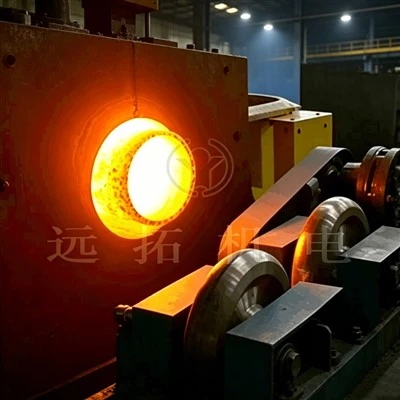
If you’re not sure what schedule is right for your specific furnace, or you’re having issues with frequent breakdowns and you’re tired of throwing money at fixes that don’t last, hit me up. We can talk through your operation, look at how your furnace’s been running, and put together a maintenance plan that works for you—no generic advice, no sales pitch that doesn’t apply to your shop. Just real talk from someone who’s been in this for over a decade, seen every mistake in the book, and wants to help you keep your furnace going strong.
References
Induction Heating Power Supply American Iron and Steel Institute. (2020). Maintenance Guidelines for Industrial Reheating Furnaces. Steel Plant Operations Handbook, 5th Edition.
Energy Institute. (2021). Combustion Efficiency and Maintenance for Furnaces Using Fossil Fuels.
Miller, T. (2022). "Preventive Maintenance Impacts on Reheating Furnace Productivity". Journal of Steel Processing and Manufacturing, vol. 18, no. 2, pp. 45–52.
Hebei Yuantuo Electromechanical Equipment Manufacturing Co., Ltd.
As one of the most professional manufacturers and suppliers of steel billet reheating furnace in China, our products have good reputation in the market. Please rest assured to buy advanced equipment made in China here and get quotation from our factory. Customized orders are welcome.
Address: Yanshan Street West and Jialingjiang Road North, Economic and Technological Development Zone, Wuqiao County, Cangzhou City, Hebei Province, China
E-mail: yuantuotech01@gmail.com
WebSite: https://www.yuantuoem.com/
