Hey, let’s cut to the chase—if you’re a two-wheeled moto owner, or even just testing the waters and grabbing a bike for work, errands, or that weekend ride to the can’t-miss taco spot, there’s one thing you gotta nail: chaining your ride to a parking meter. Too many new riders wing this, or worst-case, do it wrong and come back to a flat spot (or worse, no bike at all). I run a small two-wheeled motorcycle supply spot—we’ve sold everything from nimble commuter bikes to adventure cruisers, and I’ve seen way too many avoidable messes from botched meter locking. So let’s break this down like we’re hanging at the shop, chit-chatting about the thing that no one talks about until they need it. Two-Wheeled Motorcycle
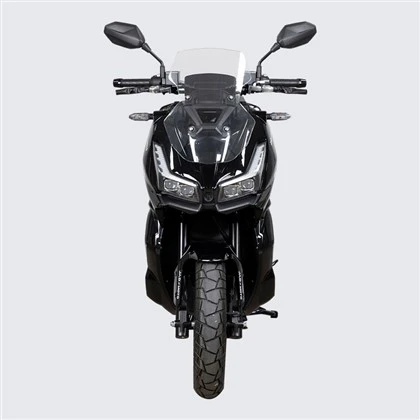
First off, grab your gear before you even roll up. I see new riders skip this step all the time—they park the bike, bolt inside, and scramble for a chain that’s either too short, flimsy, or left in the trunk. What do you actually need? A good quality U-lock or a thick, reinforced chain (skip the plastic-wrapped cheap stuff—thieves laugh at that), and if you really wanna over-prep? A cable lock for the wheels, just in case. Pro tip: Keep this stuff strapped to your bike’s frame, not buried in a backpack. My team and I even sell these little seat strap kits for our bikes specifically to hold locks—no more forgetting ‘em at home or in the garage.
Now, pull up to the meter. This sounds basic, but don’t park so close that your kickstand hangs over the curb, or so far that you can’t reach the meter (or worse, on a bike lane where a taxi door might ding your handlebars). Rule of thumb: Position your bike so the front wheel is near the meter, but leave enough space to fit the lock through both the meter’s metal pole and the bike’s frame or frame-mounted rack. Wait—wait, hold up: Never lock to a thin, flimsy part of the meter. Don’t lock to the little plastic cover, don’t lock to the dangly parts, lock to the main metal pole that’s bolted into the ground. That’s the secure part. I’ve seen people lock to the meter’s top where the pay button is, and the whole thing just twists off—dumb move, trust me.
Next, chain length 101. Don’t make the loop super tight—like, leave a little room so you can get the lock in easy, but not so loose that there’s extra slack. Thieves hate slack because it gives ‘em space to work tools, so the tighter you can get that loop (without forcing it), the better. Let’s talk about the actual chaining step, because this is where most people mess up. You don’t just thread the chain through the wheel and the meter—wait, actually, for single-sided swingarm bikes (yeah, those sportbikes with the one rear arm), you can thread the chain through the spokes, but make sure it’s on the drive side, not the brake side. For commuter bikes, I always recommend locking the front wheel and the frame together with the meter. That way, if someone yanks on the front wheel, they’re yanking both the wheel and the whole bike. No point in leaving a wheel loose for a thief to roll away.
Speaking of which—always lock the frame first. The frame is the heavy, immovable part of the bike. If you lock just the wheel to the meter, a thief can cut the spokes and take the whole rest of the bike. Stupid, but it happens. So here’s the order: Thread your chain or U-lock through the main frame down tube (that’s the big metal tube running under your seat between the front and rear wheels) and then loop it around the metal meter pole. Or, if it’s a U-lock, hook one end through the frame, the other through the meter—double check that it’s tight. If you have a rear rack on your bike, that works too, just don’t lock to the plastic part of the rack. Lock to the metal frame under the rack.
Now, the payment part. Duh, you gotta pay for the parking time, but here’s a hack I learned from a customer who’s a road tripper: Don’t pay for exact time. Pay for a little extra, so when you’re grabbing that coffee or running into the grocery store, you don’t have to rush back to feed the meter. And while you’re at it, take a quick pic of the meter on your phone before you walk away. I know, I know—you’re in a hurry. But if the meter runs out and you get a ticket, having that pic with the time on it saves so much hassle. My customers always ask me, “Why bother?” Because I’ve had a guy come back to a $50 ticket because he thought he paid for 2 hours, but only paid for 1.5. Simple fix, takes 2 seconds.
Wait, what about different bike types? I know we sell all kinds at the shop—small scooters (wait, we call them two-wheeleds too, right? They count), cruisers, sportbikes, adventure bikes. Let’s cover the edge cases. For scooters, since they’re smaller, don’t try to lock the whole body to the meter if the chain is too long. Thread it through the front wheel, or the handlebar stem, then the meter. For sportbikes with high ground clearance, make sure you don’t lock it so high that someone can lift the bike and slide it out from under the lock. That’s a classic thief trick—lift a front-wheel-only lock and yank the bike away. So keep the lock low, close to the ground. For adventure bikes, they’re heavy, so if you’re locking the rear wheel, make sure it’s through the swingarm, not the brake caliper—thieves can break calipers way easier.
Also, avoid common mistakes that’ll get your bike stolen or ticketed. First, don’t lock to a sign pole. Those are usually thin and can be bent or broken. I’ve seen a thief snap a sign pole in half like a twig with a crowbar. Second, don’t leave your keys in the ignition. Even if you just ran in for a second, that’s an open invite. Third, if you’re parking at night, lock near a street light or a well-lit area. Thieves hate being in the spotlight. Fourth, don’t use a thin cable lock as your only lock. Sure, it’s light for a commute, but it’s easy to cut with bolt cutters. Pair it with a thick chain or U-lock for the main lock, use the cable for the wheels or a secondary lock if you need it.
Let me talk about our shop for a sec, since this is a moto blog, not a random how-to site. We’re not some big corporate dealership—we’re a small two-wheeled motorcycle supplier, and we get that everyone’s ride is different. We stock locks specifically for the bikes we sell, so if you’re picking up a new commuter, we can hook you up with the right chain length for your frame, no guesswork. We’ve got a team that’s been fixing and selling two-wheeleds for years, so if you ever have questions about locking, sizing, or anything bike-related, we’re here. If you’re in the market for a new or used two-wheeled motorcycle, or even just want to stock up on locking gear for that ride, hit us up to chat about what you need. We don’t do pushy sales—we just want to make sure you get the right bike (and the right locking setup) so you can ride without worrying about your ride when you’re gone.
Wait, let’s recap to make sure we didn’t miss anything, ‘cause that’s the most important part. Step 1: Grab your gear (thick chain/U-lock, strap it to your bike so you don’t forget it). Step 2: Park smart—on the street, not in the bike lane, enough space to reach the meter. Step 3: Lock to the main metal pole of the meter, not plastic or flimsy parts. Step 4: Lock the frame (or frame + wheels) so there’s minimal slack—no extra room for thieves to work tools. Step 5: Pay for extra time, snap a pic of the meter for your records. Step 6: Avoid dumb mistakes—don’t lock to sign poles, don’t leave keys in, don’t use cheap locks.
I’ve seen this all play out at the shop. Last month, a customer brought in their commuter bike, said it was locked up tight, came back and it was gone. Turned out they used a flimsy cable lock and locked it to a sign pole. Another guy? Locked his frame and both wheels to the meter, paid for 3 hours, grabbed lunch, came back with 10 minutes left, no issues. The difference was simple—he followed the steps.
Look, riding a two-wheeled motorcycle is all about freedom, right? Don’t let a lazy locking job ruin that freedom by getting your bike stolen or a $100 ticket. It takes 2 minutes to do it right, way less than the time it takes to file a police report or contest a ticket. And if you’re still figuring it all out, we’re here. We don’t do fine print, we don’t do annoying cold calls—just honest advice for two-wheeled motorcycle owners. Whether you’re a first-time rider or a seasoned vet, we’ve got the bikes and gear to make your ride better.
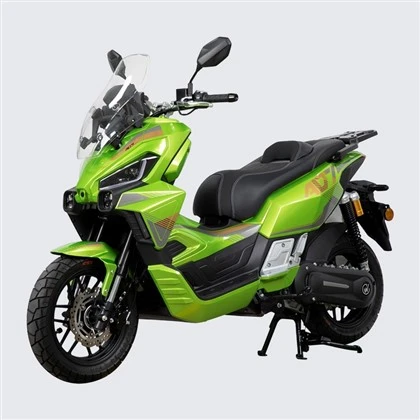
So next time you hop on your bike to go get groceries or meet friends, don’t wing the meter lock. Grab the good chain, find the thick metal pole, lock the frame tight, pay for extra time, and snap that pic. You’ll thank yourself when you come back to your bike exactly how you left it. If you ever need help picking out the right lock for your ride, or you’re ready to upgrade to a new two-wheeled motorcycle, reach out and let’s chat. No pressure, just real advice from people who live and breathe two-wheeleds.
Two-Wheeled Motorcycle REFERENCES
Bicycle Safe Parking Best Practices, National Highway Traffic Safety Administration
Motorcycle Theft Prevention Guide, Motorcycle Industry Council
City Parking Meter User Guidelines, Local Transportation Department (relevant urban parking safety standards)
Zhejiang Siekon Motor Technology Co., Ltd.
Zhejiang Siekon Motor Technology Co., Ltd. is one of the most professional two-wheeled motorcycle manufacturers and suppliers in China, featured by quality products and good service. Please feel free to wholesale advanced two-wheeled motorcycle made in China here from our factory. Also, custom service is available.
Address: Building 3, No. 112 Gaoxin East 1st Road, Tongxiang Economic Development Zone, Tongxiang City
E-mail: wsy@xkjsq.com
WebSite: https://www.siekonmotorcycle.com/
