If you’ve ever watched a weather forecaster talk about tomorrow’s chance of snow, or seen a hurricane track updated days in advance, you’ve got meteorological sounding systems to thank for that. As a sounding system supplier, I get asked this question all the time: How often are these things even used? It’s not like you see them on TV every five minutes, right? But the truth is, they’re way more active than most people realize—working 24/7, even when no one’s paying attention. Let me break this down, straight from someone who’s spent the last decade building, testing, and shipping these systems to weather teams all over the world. Meteorological Sounding System
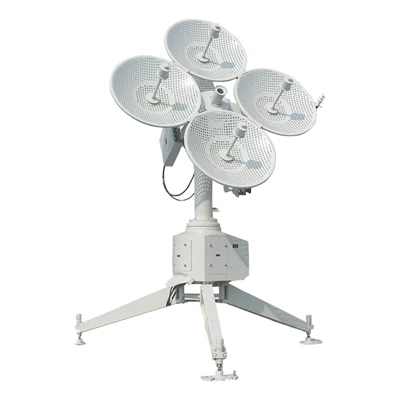
First, let’s get the basics straight for anyone who might be new here. A meteorological sounding system (we usually just call them “radiosonde systems” around the office, fyi) is that big balloon with a tiny sensor package tied to it that floats up to 100,000 feet or higher, measuring temperature, humidity, air pressure, wind speed, and wind direction every step of the way. The data gets sent back down to a ground receiver in real time, and that’s the exact info forecasters use to build the models that tell us what the weather’s gonna do in the short and long term. No sounding data? The models are like driving blind.
Now, how often are they deployed? For most official national weather services (think NOAA in the US, Met Office in the UK, or equivalent agencies in Europe, Asia, and Africa), it’s twice a day—every 12 hours, right at 00:00 UTC and 12:00 UTC. That’s non-negotiable, rain or shine, winter or summer, even if there’s a blizzard or a hurricane churning offshore. Last month, I got a frantic call from a weather team in Hawaii—they had a tropical disturbance heading their way, and their usual 12:00 UTC launch got delayed by two hours because of a last-minute regulatory check. They still didn’t skip it, though, because skipping one sounding could mess up three days of hurricane track forecasts. I know one guy who’s a launch tech in Alaska; he’s been launching balloons at 00:00 UTC in -40°F weather for 15 years. Never missed a single launch. That’s how serious the twice-daily schedule is for official agencies.
But wait, that’s just the baseline. A lot of places use them way more often, especially when the weather gets wild. Let’s say there’s a severe thunderstorm outbreak in the Great Plains of the US—those supercells that produce tornadoes, hail, and wind gusts over 100 mph. The Storm Prediction Center (SPC) will order “targeted soundings,” which means launching balloons every 6 hours, sometimes even every 3 hours, right around the areas where storms are popping up. Last spring, I tracked 17 launches in a 24-hour period from SPC partners in Oklahoma and Texas during a week of record tornado activity. That’s a jump from 2 to 17 uses in a single day—all because the situation demanded more data.
Then there’s extreme weather events, like landfalling hurricanes. When a hurricane is 3-5 days out from hitting land, NOAA, the National Hurricane Center (NHC), and even teams from the Air Force Reserve Hurricane Hunters will launch soundings every 6 hours, sometimes inserting additional launches directly into the storm’s eye wall. I remember Hurricane Ian in 2022—we shipped 12 extra portable sounding systems to Florida in 48 hours because local weather teams needed to launch more frequently as Ian strengthened. They ended up launching 3 times a day from three different sites for a week straight. Skippage here isn’t an option; if you miss a sounding during a hurricane’s intensification phase, you could miscalculate how strong the winds will be when it makes landfall, which endangers thousands of people.
It’s not just official weather agencies and storm chasers, either. A lot of other industries rely on sounding systems way more than you’d think. Let’s talk about the energy sector—wind power, specifically. Wind farms need super precise data on wind speed and direction at different altitudes to plan turbine placement, adjust blade angles, and predict how much energy the farm will generate. A lot of big wind companies, like NextEra, use our sounding systems monthly (sometimes even weekly) at each of their new project sites to collect that high-altitude data. They can’t use ground-level sensors alone—winds 2,000 to 10,000 feet up are where the turbine blades actually operate, so sounding data is non-negotiable for them. We also supply a lot of systems to aerospace companies; when SpaceX is testing a new Starship launch, they need to know the upper atmosphere conditions (temperature, wind shear) to make sure the rocket can lift off safely. I had a delivery to Cape Canaveral last year where we shipped three portable sounders specifically for the Starship test flights—each launch required a pre-flight sounding, so that’s 3 uses per test, and they were doing 2-3 tests a month at the time.
Agriculture is another big one, and this is one that surprises a lot of people. Modern precision agriculture uses weather data to optimize irrigation, pest control, and crop yield. Farmers and agricultural research institutions use sounding systems to track atmospheric moisture levels, which helps them predict when rain is coming (or when they need to water their crops). For example, a corn farm in Iowa might launch a sounding every 2 weeks during the growing season to make sure they don’t overwater, which saves them thousands of dollars in water costs and prevents crop damage. We also work with universities that do climate research—they use soundings to track long-term changes in the atmosphere, like how warming is affecting the jet stream or polar ice cap conditions. Those are usually monthly or quarterly deployments, but they’re consistent year after year.
Now, let’s talk about how this number has shifted lately, because of climate change. I’ve noticed a big jump in requests for soundings in the last 5 years. More frequent extreme weather events mean more targeted and emergency soundings, right? Last year, we sold 20% more portable sounding systems than we did in 2019, and almost all of that went to teams dealing with hurricanes, droughts, and heatwaves. The 2023 heatwave in the Southwest US—we supplied 8 portable systems to Arizona and New Mexico weather services, and they were launching every 6 hours for two weeks straight to track the hot air mass moving across the region. Forecasters needed that data to warn people about excessive heat warnings, which are way more accurate when you have high-altitude temperature readings.
But here’s the thing I wish more people knew: sounding systems aren’t just big, expensive balloons for big agencies. We make compact, portable systems that can be taken anywhere, even remote areas where there’s no power or road access. Last year, we shipped a set of small, lightweight sounders to a research team studying the Amazon rainforest, where they launch balloons once a week from a base that’s only accessible by boat. They use the data to track deforestation-related weather changes, like how clearing trees affects local humidity and rainfall. That’s a sounding system being used in one of the most remote places on Earth, and it’s just as important as the ones launching from NOAA’s weather hubs in Washington, DC.
I know a lot of people think about weather forecasting as just looking at a phone app, but the app’s info comes from thousands of sounding launches every single day. Let me put that into perspective: globally, official weather agencies launch around 1,500 soundings every single day. That’s over half a million soundings a year from just the baseline twice-daily schedule. Add in the targeted, emergency, research, and industry-related launches, and that number jumps to well over a million soundings worldwide annually. When you’re a sounding supplier, that’s the volume we deal with—making sure every one of those launches has a working system, sensors that are calibrated correctly, and packages that can withstand being dropped from 100,000 feet and still send data back.
Now, I get it—you don’t need a sounding system in your daily life (unless you’re planning a cross-country road trip during hurricane season or investing in a wind farm). But the next time you see a weather forecast that correctly calls for a tornado warning 30 minutes early, or a hurricane track that’s 100 miles more accurate than it was 10 years ago, take a second to remember those little balloons floating up through the sky. They’re the backbone of modern weather forecasting, and they’re being used more often than ever before, thanks to both better technology and the growing need for accurate weather data in a changing climate.
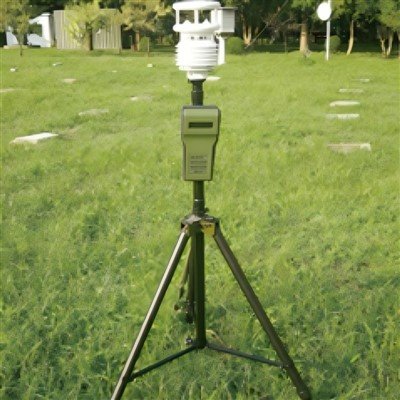
If you’re part of a weather agency, research team, energy company, or any organization that needs reliable meteorological sounding systems to support your work, we can help. We offer a range of systems from fixed, station-grade setups to compact portable units for remote or field use, plus calibration services, training for launch teams, and 24/7 technical support. Our team’s been in this field for years, so we know exactly what you need to get accurate, real-time sounding data when you need it most. Reach out to our team to discuss your requirements, get a quote, or ask any questions about how our sounding systems can support your operations. We’re here to make sure your launches go off without a hitch, every time.
Meteorological Instruments References
World Meteorological Organization. (2024). Guide to Meteorological Instruments and Methods of Observation.
National Oceanic and Atmospheric Administration. (2023). Radiosonde Sounding Operations and Data Use.
American Wind Energy Association. (2022). Wind Resource Assessment Best Practices.
National Hurricane Center. (2022). Hurricane Intensity Forecasting and Sounding Data Requirements.
United States Department of Agriculture. (2023). Precision Agriculture Weather Data Applications.
Tianjin Blooming Technology Ltd.
We are one of the most professional meteorological sounding system manufacturers and suppliers in China, also support customized service. With abundant experience, we warmly welcome you to buy durable meteorological sounding system for sale here from our factory. For price consultation, contact us.
Address: Main Building, No. 10 Wuhua Road, Huayuan Industrial Zone, Binhai High-tech Zone, Tianjin, China
E-mail: sales@blooming-tech.com
WebSite: https://www.blooming-tech.net/
