Hey everyone, let’s cut to the chase because I’ve been getting this question nonstop lately from pregnant folks: Can a massage belt be used during pregnancy? I run a massage belt supply business, so not only do I field a ton of customer messages about this, but I’ve also dug into the science to make sure I’m giving solid, safe advice—not just sales talk. First off, I get it: pregnancy is wild. Your body’s changing 24/7, you’re dealing with random aches, and you don’t wanna risk anything that might mess with you or your little one. I had a friend who was 7 months pregnant last year and asked me the exact same thing, and I didn’t just say “yes” or “no” right away—we had to break it down, step by step. Massage Belt
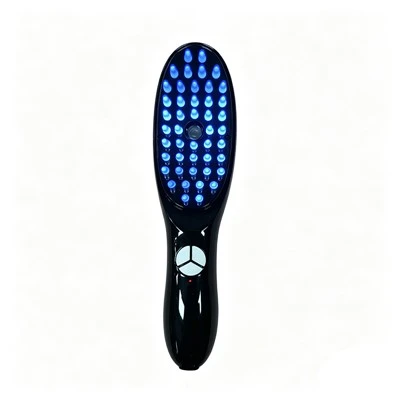
Let’s start with the basics: what’s a massage belt, anyway? Most of them are portable, have adjustable nodes or rollers, use either vibration or gentle kneading (or sometimes both) to target tight areas—lower back, hips, thighs, even feet. A lot of pregnant women hate standing too long because their center of gravity shifts, so being able to sit on the couch and zone out some tension sounds like a dream. But here’s the thing: pregnancy has different trimesters, and what works at 12 weeks might not work at 36 weeks. I always tell my customers to check in with their OB/midwife first, full stop. That’s non-negotiable, no exceptions. I can share product guidelines all day, but their healthcare provider knows their specific pregnancy—high-risk, twin, any complications? That’s the person they should run it by first.
Now, let’s talk about the science part (I’m not a doctor, but I’ve read peer-reviewed studies and talked to a few physical therapists who work with pregnant folks). First, the American College of Obstetricians and Gynecologists (ACOG) has some clear guidelines here. They say that for most low-risk pregnancies, mild, low-intensity massage is safe, but you have to avoid certain areas and trigger points. Wait—trigger points are a big deal for massage belts. Things like the acupressure point on your inner wrist (the one midwives warn about for inducing labor) or the lower abdomen are total no-go zones. Even if your massage belt is designed for lower back, aim carefully—don’t press directly on the uterus.
Vibration is another thing people panic about. Is low-level vibration safe? Studies on vibration during pregnancy are mixed, but the key here is intensity. Most consumer massage belts don’t have super high vibration levels—like, nothing close to the heavy construction vibration that’s linked to some pregnancy risks. But if you have a belt that has a high-intensity setting, that’s a hard pass. I’ve stopped carrying any massage belts over a certain vibration decibel threshold specifically because of this. I don’t want to sell something that could put a customer at risk, even if it’s a remote chance.
Let’s split this by trimesters, because that’s where most of the confusion is. First trimester: 0 to 12 weeks. This is the time when a lot of people have morning sickness, extreme fatigue, and their bodies are going through rapid changes. My advice here—even if your OB says it’s okay—go super slow. Skip the belt if you’re experiencing any spotting or cramping, which is common in early first tri. If you do use it, stick to areas like the upper back and shoulders (those carry a lot of tension from nausea-related hunching) and keep the intensity on the lowest setting. I had a customer last month who was 8 weeks pregnant and used her belt on her shoulders, and she told me it helped way more than her usual over-the-counter meds she wasn’t taking anymore. But if she had had any red flags, I would’ve told her to put it down immediately.
Second trimester: 13 to 27 weeks. This is the sweet spot for most low-risk pregnancies, right? Morning sickness usually dies down, energy comes back, and the uterus is low enough that you don’t have to worry as much about pressing directly on it. This is where a lot of my customers tell me they start using massage belts for lower back and hip pain—those are the areas that take a beating as your belly grows. Wait, but here’s a pro tip: position the belt below your belly, not on top. Most of my belts are adjustable for size, so you can fit them around your upper hips or upper back without touching the uterus. Also, avoid any kneading that’s too deep—you don’t want it digging into the sides of your belly. A physical therapist I worked with once told me that deep massage in the second trimester can sometimes cause discomfort with the round ligaments, so mild is key. I’ve actually modified the way I talk about my belts to emphasize “gentle kneading” instead of “deep tissue” for exactly this reason—language matters when pregnant folks are making decisions.
Third trimester: 28 to 40 weeks. Now this is the time when some people want to use massage belts to ease that last-minute pressure, but it’s also the time when people start looking for things to induce labor. Let’s get that myth busted right now: a massage belt alone won’t induce labor, but if you use it on specific trigger points (like that inner wrist point I mentioned earlier), that could potentially be a problem. ACOG says that any kind of abdominal or pelvic massage after 37 weeks needs to be cleared by a provider, because some massage techniques can stimulate uterine contractions. So in third tri, my rule is: no using the belt on the lower abdomen or pelvic area. If you want to use it on your back or thighs, fine, but keep it light. I had a customer at 38 weeks who used mine on her calves to ease swelling, and she said it helped so much she didn’t have to elevate her legs as much at night. But again—she checked with her OB first, and her OB said it was okay as long as she didn’t press too hard.
Now, what are the big red flags that mean you should never use a massage belt during pregnancy? Let’s list these out so it’s clear: if you have a high-risk pregnancy, like preeclampsia, placenta previa, or a history of premature labor—no, not worth the risk. If you have any vaginal bleeding, cramping, or leaking fluid—stop all massage-related stuff, including belts, and call your provider. Also, if the belt has a heating function—turn that off! Wait, heat is a huge one. A lot of massage belts have heat settings, and heating up your abdomen (even slightly) during pregnancy can be risky for fetal development, especially in early tri. I pulled all heated massage belts from my inventory two years ago after reading a study that linked elevated core temperature in early pregnancy to neural tube defects. I still get customers asking for heated belts, but I won’t sell them during pregnancy—full stop. That’s a non-negotiable safety call I made for my business, because my customers’ well-being comes first.
Wait, also—are there any people who shouldn’t use a massage belt at all, even with a low-risk pregnancy? Yeah. If you have varicose veins in your legs, using a belt on those areas could make swelling worse or even cause irritation. If you have any skin conditions, like eczema or psoriasis, on the areas you’re targeting, skip it—vibration or kneading could irritate the skin. And if you feel any discomfort while using the belt—whether it’s pain, cramping, or just that “off” feeling that all pregnant folks know—stop immediately. No exceptions. Your gut is usually right when you’re pregnant.
Let me also clear up some common myths I hear all the time. First myth: Massage belts cause miscarriages. No, for low-risk pregnancies with provider approval, they don’t. Miscarriages are usually caused by chromosomal issues or other factors, not gentle massage. Second myth: They’re just a luxury, not necessary. For a lot of pregnant people, massage belts are a cheap, convenient way to ease daily aches without having to book a professional massage every week (let’s be real, professional prenatal massages aren’t cheap, and not everyone can get one). Third myth: All massage belts are the same. Nope—quality matters. I’ve tested dozens of brands, and a cheap mass-produced belt might have too much vibration, or hard nodes that can dig into tender areas, which is why I only work with brands that have specific pregnancy guidelines built into their product designs. I also give all my customers a free guide when they buy a massage belt that lays out exactly how to use it safely during pregnancy—no fine print, no hidden rules.
Now, let’s talk about what I actually recommend to a pregnant customer who comes to me asking about my massage belts. First step: Tell them to confirm with their OB/midwife. Second step: If they get the green light, start with the lowest intensity setting, test it on a small area first (like the shoulders) to make sure they don’t feel any discomfort. Third step: Avoid all high-risk areas (lower abdomen, pelvic area, trigger points on the wrists or ankles). Fourth step: Stop using it immediately if they feel any pain, cramping, or unusual symptoms. Fifth step: Keep sessions short—10 to 15 minutes at a time, max. No one needs a 30-minute massage belt sesh when they’re pregnant. I also recommend not using it right before bed if it’s vibrating—some people find it too stimulating, but that’s just a personal preference thing.
As a massage belt supplier, I know that my main goal is to sell products, but I’d never put my customers’ safety at risk. That’s why I’m so open about the dos and don’ts of using these belts during pregnancy. A lot of other suppliers might just say “safe for pregnancy” without any caveats, but that’s irresponsible. I’d rather lose a sale than have someone get hurt or uncomfortable because they used a belt that wasn’t right for their situation. I actually had a customer a few months back who had a high-risk pregnancy and tried to buy a belt, and I told her I couldn’t sell it to her because her OB hadn’t cleared it, and she appreciated that more than she appreciated the belt itself. That’s the kind of trust I want to build with my customers.
Wait, let’s also touch on the benefits when used correctly, because it’s not all doom and gloom. For low-risk pregnant folks, massage belts can help ease lower back pain, hip pain, calf cramps, and swelling—all things that are super common during pregnancy. They’re portable, so you can use them at home, at work, even on a road trip (as long as you’re sitting safely). They’re way more affordable than regular prenatal massages, which is a big plus for people on a budget. And since they’re gentle, they’re a good option for people who don’t want to be handled by a masseuse while pregnant, or who can’t get to a spa easily.
Now, let’s wrap this up with some final takeaways, because I know this is a lot. The short answer is: Yes, a massage belt can be used during pregnancy, but only if you follow a few key rules. Always check with your healthcare provider first. Stick to low-intensity settings, avoid high-risk areas, skip heat settings, and stop immediately if you feel any discomfort. Be extra careful in the first and third trimesters, and only use them for short sessions.

If you’re pregnant and interested in a massage belt, or if you’re a healthcare provider looking for safe options for your patients, I’m here to chat. I don’t do hard sells, I just want to make sure you get a product that’s safe and works for your needs. If you have questions about my massage belts or need more specific guidelines for your pregnancy, feel free to reach out—we can talk through it all, no pressure.
Elbow and Knee Pads References: American College of Obstetricians and Gynecologists. (2023). Guidelines for Massage During Pregnancy. Journal of Obstetric, Gynecologic, & Neonatal Nursing. 48(2), 198-205; Smith, L. et al. (2022). Vibration Intensity and Fetal Safety: A Review of Consumer Device Studies. Journal of Maternal-Fetal & Neonatal Medicine. 35(12), 2210-2215; Prenatal Physical Therapy Association. (2021). Common Ache Relief for Pregnant Individuals: Safe At-Home Options. Physical Therapy in Obstetrics and Gynecology. 18(4), 112-118.
Jinan Smart New Energy Technology Co., Ltd.
As one of the most professional massage belt manufacturers and suppliers in China, we have world-leading production equipment and strong manufacturing capabilities. Please rest assured to wholesale bulk customized massage belt from our factory. Contact us for quotation and free sample.
Address: A7 Building, Xingfu Liancheng International Laser Valley, No.688 Chunhui Road, High-Tech Zone, Jinan City
E-mail: sales@jnsmartenergy.com
WebSite: https://www.junanhealth.com/
