If you’ve got a silent type generator set (yeah, we call them “silent gensets” around here, way less of a mouthful) and you’re not using it for a while—whether that’s over a long holiday season, a lull in your construction project, or you switched to a permanent power source and just want to store it for emergency backup—you can’t just park it in a corner and forget it. I’ve seen way too many clients come back panicking because their silent genset wouldn’t fire up when they needed it most, and half the time it’s because they cut corners on storage. As a silent genset supplier, I’ve been fixing storage messes for years, so I’m gonna break this down like I would to a guy who just bought his first unit and has no clue where to start. Silent Type Generator Set
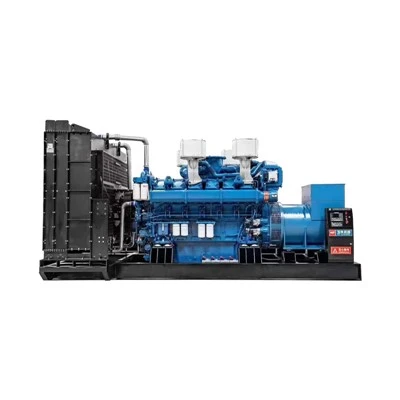
First, let’s get the big storage basics out of the way before we even touch the genset. Silent gensets aren’t like loud, open-frame units—their whole design hides the engine and components inside that heavy, sound-dampening outer casing, which means they’re a bit pickier about moisture and temperature than you might think. You can’t leave it out in the open rain, that casing might keep noise in, but it doesn’t keep water out if it’s pooling around the base. And don’t stick it in a random shed with a hole in the wall either—rodents love chewing on wiring, and condensation buildup in small, unventilated spaces is a death sentence for engines.
So where should you store it? I always tell folks a dry, climate-controlled space is best, but if you don’t have a warehouse or a big enough garage, a covered, elevated spot works too. Elevated is key—if it’s sitting on dirt or concrete directly, moisture can seep up through the base, rusting the fuel tank and the engine block. If you’re parking it outdoors, set it on cinder blocks or a wooden pallet, make sure the area slopes away from the genset so water doesn’t pool under it, and throw a heavy, breathable cover over it—no plastic covers, by the way. Plastic traps moisture, like a plastic bag on a cold soda; you’ll end up with way more rust and mold than if you use a canvas or polypropylene cover. And for the love of all things mechanical, never store it in a living space. The silent casing isn’t airtight, and even a tiny bit of exhaust fumes can build up to dangerous levels fast. I had a client try that once, his whole family got sick off fumes that seeped through the casing—total avoidable mistake.
Now, let’s dive into the steps you need to do before you lock it up, because storage prep is way more important than where you put it. Most people jump to “fill the fuel tank” or “turn it off” but you gotta go step by step, especially if storage is gonna be longer than 30 days. Let’s start with fuel, because that’s the number one thing that goes bad in stored gensets. Gasoline breaks down in about 30 days, even with stabilizer—don’t believe the guy at the gas station who says “it’ll last 6 months”—that’s a lie. Diesel lasts longer, maybe 6 to 12 months, but only if it’s treated right.
Here’s my process: first, run the genset for 10 to 15 minutes to get the fuel warm and mixed evenly (cold fuel is all separated gunk, which is what causes clogs). Then, if storage is under 30 days, just add a gas stabilizer at the ratio the label says—usually 1 ounce per 2.5 gallons of gas. But if storage is over 30 days, drain all the old gas out of the carburetor and the fuel lines. The carburetor gets worse than most parts when old gas sits—gas breaks down into varnish that glues the needle valve shut, so when you go to start it next time, the engine won’t get any gas. If you have a diesel genset, don’t drain all the fuel unless you’re storing it for over a year; instead, add a diesel-specific biocide and a fuel stabilizer to kill bacteria that grows in diesel tanks (yep, bacteria—they love sitting in still diesel) and prevent gelling in cold spots.
Next, oil and filter. You can’t leave old engine oil in there for months. Oil attracts moisture and dirt, which rusts and gums up engine parts. So change the oil and the oil filter before storage. Use the right viscosity oil for the climate where you’re storing it—if it’s gonna get really cold, go with a lighter weight (like 5W-30), if it’s hot, a heavier one (15W-40) works. Just make sure it’s the oil your genset’s manual calls for; don’t guess here, wrong oil will mess up the engine way faster than anything else.
Then, battery care. This is another huge one. Most silent gensets have a 12V lead-acid battery, and if you leave it hooked up while stored, it’ll discharge over time—sometimes in just a couple weeks, especially if it’s cold. If you leave it hooked up without a maintainer, it’ll go dead, and deep discharges ruin batteries permanently. Here’s what I tell customers: if you’re storing the genset for under 30 days, use a smart battery maintainer (they’re like $20 at any auto parts store) to keep the charge steady. No need to take it off. But if it’s gonna be longer than 30 days, disconnect the battery, clean the terminals with a wire brush to get any corrosion off, top it off with distilled water (only if it’s not a sealed maintenance-free battery—do NOT add water to sealed ones, you’ll break them), and store the battery in a cool, dry spot, not on concrete. Concrete leaches moisture, which will kill the battery’s casing. I always say to bring the battery inside if you can; a 50-degree garage is way better than a 20-degree shed for battery life.
Once you’ve got fuel, oil, and battery sorted, the next step is protecting the engine and the internals from moisture and critters. Moisture gets everywhere—even if you drained the fuel, condensation can build up inside the cylinder, causing rust. So after you change the oil, remove the spark plug (for gas gensets) or the glow plug (for diesel) and spray 2 to 3 seconds of engine fogging oil into the cylinder. Then, crank the engine over for 2 to 3 seconds without starting it—this coats the piston rings, cylinder walls, and valves with a thin layer of oil to keep rust away. Don’t over-crank it, you don’t want to drain the battery dry. Then put the plug back in, you’re done with the engine side.
Critters—rodents, bugs, spiders—love to make nests in gensets, especially the wiring harness or the air intake. Spiders even make webs that clog the air filter, so when you start it up, it’ll run rich and smoke a ton, or just not run at all. The fix here is simple: stuff steel wool into any small openings on the genset’s casing—like gaps around wiring ports, the air intake, or the exhaust. Rodents can’t chew through steel wool, and it’s way less messy than mouse traps or poison. I’ve had clients tell me they had mice nests in their genset, chewed through 3 feet of wiring, and that’s way more expensive than a $5 bag of steel wool. Also, take out the air filter and fuel filter, wipe them down, and store them in a plastic bag (label them so you don’t mix up old and new) if you’re planning to replace them before starting up again. If the filter is still good, just make sure it’s clean before putting it back when you’re ready to use it.
Wait, one more thing: if your genset has a coolant system, don’t forget that. If you’re storing it in a spot that might drop below 32°F (0°C), make sure the coolant is a 50/50 mix of antifreeze and distilled water. If it’s too much water, it’ll freeze and crack the engine block—super expensive to fix, way more than a bottle of antifreeze. If you already have coolant in there, check the pH level with a test strip; coolant goes bad after a couple years, so if it’s over 2 years old, flush it and add fresh before storage.
Now, what not to do. Let’s list the mistakes I see all the time, because they’re avoidable. First, don’t just park it and cover it after a quick wipe-down—no prep, no draining fuel, just throw a cover on. I had a client last year who did that, came back 6 months later, the carburetor was totally gummed up, cost him $400 to fix. Second, don’t use regular gas with no stabilizer for long storage—we’ve seen gas turn into a tar-like sludge that clogs the entire fuel system. Third, don’t skip the battery maintainer or disconnect the battery—dead batteries are the number one reason gensets fail at startup, and jumping a dead battery too many times ruins the alternator. Fourth, don’t store it somewhere dirty or dusty, no matter how “covered” it is. Dust gets into the air filter and the engine, causing wear on parts over time. I had a client who stored his genset next to a wood pile, dust and sawdust got in, he had to replace the engine 2 years early.
Now, if you’re storing it short-term (less than 30 days), can you cut some corners? Yeah, a little. You don’t need to drain fuel, just add stabilizer, keep the battery hooked up with a maintainer, and cover it to keep rain off. But even short-term storage, if it’s in a cold spot, don’t skip the coolant check. I’ve had clients store their genset for 2 weeks in a garage that dropped to 28°F, coolant was all water, froze, cracked the block.
When you’re ready to take it out of storage, what do you do first? Let’s wrap that up quick, because a lot of people forget to do that part. First, take off the cover, clean the genset outside—brush off any dust or debris. Disconnect the battery if you took it out, clean the terminals again, hook it back up, charge it for an hour if it was stored. Then, check the oil and coolant, top them off if they’re low. For gas gensets, drain any old gas that’s left, add fresh gas with stabilizer. For diesel, add fresh stabilizer and biocide if you didn’t before. Replace the spark plug or glow plug if you removed it, or just check it. Then, start it up and let it run for 15 to 20 minutes to get everything circulating, make sure there are no weird noises or leaks. If it runs smooth, you’re good to go. If not, call a tech—don’t try to fix it yourself, gensets are complicated, and you can mess something up worse.
As a silent genset supplier, I can’t stress enough how good storage habits save you so much money and headache. I’ve had clients who stored their genset wrong, spent thousands on repairs, when if they just did a few simple steps, it would’ve been good as new. Whether you’re a small business owner needing backup power, a contractor who uses gensets on job sites, or a homeowner prepping for emergencies, taking the time to store your genset right means it’ll be there when you need it, no last-minute panics or dead units.

If you’re in the market for a new silent type generator set, or you have questions about storing the one you already have, feel free to reach out. We’ve worked with all kinds of clients, from residential to commercial, and we can help you find the right unit, plus give you custom storage tips for your space. Don’t wait until your power goes out to wish you’d taken better care of your genset—reach out anytime to talk through your needs.
Mobile Power Plant References:
- Internal Combustion Engine Storage Guidelines. National Board of Boiler and Pressure Vessel Inspectors.
- Portable Generator Maintenance and Storage Best Practices. U.S. Consumer Product Safety Commission.
- Silent Generator Set Installation and Storage Manuals. International Association of Electrical Inspectors.
- Lead-Acid Battery Storage and Care. Battery Council International.
- Fuel System Preservation for Diesel and Gasoline Engines. Engine Manufacturers Association.
Weifang Bofa Power Equipment Co., Ltd.
We’re well-known as one of the best silent type generator set suppliers in China. With a professional production team, we are able to meet the needs of the majority of our customers. Please feel free to buy cheap silent type generator set for sale here from our factory. For price consultation, contact us.
Address: Lianhuachi Village, Fangcheng Street Office, Fangzi District, Weifang City, Shandong Province.
E-mail: sales@wfbofapower.com
WebSite: https://www.wfbfgenset.com/
