Hey there! I’m a supplier of Metal Stamping Dies. Today, I’m gonna chat with you guys about how the hardness of the die material affects metal stamping dies. It’s a topic that’s super important in our field, and understanding it can really up your game when it comes to getting the best out of your stamping operations. Metal Stamping Dies
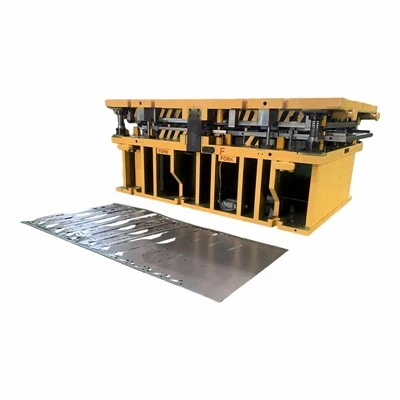
First off, let’s talk about what hardness actually means in the context of die materials. Hardness is a measure of how resistant a material is to deformation, scratching, and wear. In metal stamping, we need dies that can withstand a whole lot of force and friction as they shape and cut metal sheets into the desired parts. So, the hardness of the die material plays a huge role in how well the die performs and how long it lasts.
When we’ve got a die material with high hardness, it’s like having a tough cookie on the job. High – hardness materials can handle a lot of pressure without getting dented or deformed. This is crucial in high – volume stamping operations, where the dies are constantly being used. For instance, if you’re stamping automotive parts, say a bunch of fender brackets, the dies need to be able to maintain their shape and precision over hundreds or even thousands of stamping cycles.
One of the main advantages of high – hardness die materials is their excellent wear resistance. Wear is a big deal in metal stamping. Every time the die comes into contact with the metal sheet, there’s a bit of abrasion going on. Over time, this can cause the edges of the die to become dull, and the die to lose its accuracy. With a high – hardness material, the wear rate is much lower. This means that the die retains its sharp cutting edges and precise form for a longer period. As a result, you get more consistent quality in the stamped parts, and you don’t have to replace the dies as often.
But it’s not all sunshine and rainbows with high – hardness die materials. They can be a real pain in the butt to machine. You see, because they’re so hard, it’s difficult to cut, shape, and drill them. This means that the manufacturing process for high – hardness dies takes longer and costs more. You need specialized equipment and experienced machinists who know how to work with these tough materials. And if something goes wrong during the machining process, like a crack forming, it could render the whole die useless.
On the flip side, low – hardness die materials are much easier to work with. They can be machined quickly and with less effort. This means that the production time for low – hardness dies is shorter, and the cost is generally lower. But, and this is a big but, they don’t hold up as well under heavy use. Low – hardness materials are more prone to deformation and wear. If you’re using a low – hardness die in a high – volume stamping operation, it might start to show signs of wear after just a few hundred cycles. This can lead to a decrease in the quality of the stamped parts, as the die loses its ability to cut and shape the metal accurately.
Let’s look at some real – world examples to see how the hardness of the die material affects the performance of metal stamping dies. Suppose you’re in the business of making small electronic components. These components require very precise stamping, and the tolerance for error is extremely low. In this case, you’d probably want to go with a high – hardness die material. A high – hardness die will ensure that the components are stamped with the right dimensions every time, and it will last long enough to meet the high – volume production requirements.
On the other hand, if you’re stamping some simple, low – tolerance parts, like decorative metal trim pieces for furniture, a low – hardness die might be a better choice. The low – hardness die will be cheaper to produce, and since the quality requirements aren’t as strict, it can get the job done without causing too many issues.
Another thing to consider is the type of metal you’re stamping. Different metals have different levels of hardness and ductility. For example, stamping soft metals like aluminum or copper is a lot easier on the dies compared to stamping hard metals like stainless steel or titanium. When stamping hard metals, you need a die material with high hardness to withstand the extra force and wear. If you use a low – hardness die for stamping hard metals, the die will wear out quickly, and you might end up with a lot of defective parts.
Now, let’s talk about how we can choose the right die material hardness for a specific stamping job. First, you need to consider the production volume. If it’s a high – volume production run, you’ll generally want a high – hardness die to ensure long – term performance and consistent quality. Second, think about the quality requirements of the stamped parts. If the parts need to have very tight tolerances and high precision, a high – hardness die is the way to go. Third, take into account the type of metal you’re stamping. As I mentioned earlier, harder metals require harder die materials.
At our company, we’ve got a wide range of die materials with different hardness levels. We work closely with our clients to understand their specific needs and recommend the best die material for their stamping projects. Whether you’re looking for a high – hardness die for a high – volume, high – precision job or a low – hardness die for a simple, low – tolerance project, we’ve got you covered.
In conclusion, the hardness of the die material has a massive impact on the performance and longevity of metal stamping dies. High – hardness materials offer better wear resistance and precision but come with higher manufacturing costs. Low – hardness materials are cheaper and easier to machine but have shorter lifespans and lower performance under heavy use. By carefully considering the production volume, quality requirements, and the type of metal being stamped, you can choose the right die material hardness for your project.
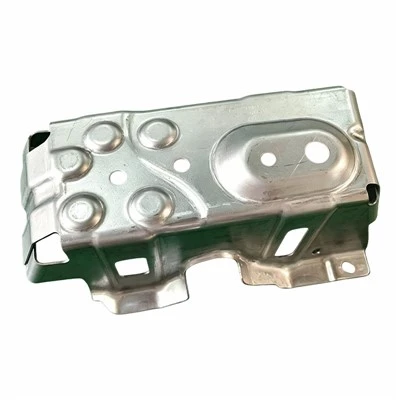
If you’re in the market for metal stamping dies and want to learn more about how we can help you choose the right die material and get the best results for your stamping operations, don’t hesitate to reach out. We’re here to support you every step of the way. Let’s have a chat and see how we can work together to make your stamping projects a success!
Metal Stamping Dies References
- "Introduction to Metal Stamping" – A handbook on the basics of metal stamping processes and materials.
- "Materials Science for Die Making" – A comprehensive guide on the properties of different die materials and their applications.
Dongguan Changdong Tool & Die Co., Ltd.
With abundant experience, we are one of the most reliable metal stamping dies manufacturers and suppliers in China. Please feel free to buy advanced metal stamping dies made in China here from our factory. Good service and quality products are available.
Address: No. 56-B, Fumin South Road, Dalang Town, Dongguan City, Guangdong Province, China
E-mail: sales@stamping-die.com
WebSite: https://www.metalstampingdie.com/
