In the world of bulk packaging, Flexible Intermediate Bulk Containers (FIBCs) have become a cornerstone for the storage and transportation of a wide range of dry, flowable products. At the heart of many high – performance FIBCs lies the lining bag film, a critical component that can significantly impact the overall functionality and durability of the packaging solution. As a leading supplier of FIBC lining bag film, I’ve faced numerous inquiries from clients about the film’s resistance to tearing. In this blog, I’ll delve into the science behind FIBC lining bag film, its tear – resistant properties, and what you, as a buyer, should consider. FIBC Lining Bag Film

Understanding FIBC Lining Bag Film
FIBC lining bag films are designed to provide an additional layer of protection inside the bulk bags. They can isolate the product from the environment, prevent contamination, and reduce moisture ingress. These films are typically made from polymers such as polyethylene (PE), polypropylene (PP), or other specialized materials, each selected based on the specific requirements of the application.
The selection of materials is crucial as it directly influences the film’s properties. For example, low – density polyethylene (LDPE) is known for its flexibility and toughness, while high – density polyethylene (HDPE) offers better stiffness and puncture resistance. Polypropylene, on the other hand, provides good chemical resistance and high melting point, making it suitable for applications involving heat – sensitive products.
The Importance of Tear Resistance
Tear resistance is a vital characteristic of FIBC lining bag film. In real – world scenarios, the film is subjected to various stresses during filling, handling, storage, and transportation. A tear in the lining can lead to product leakage, contamination, and subsequent product loss. For industries dealing with high – value or hazardous materials, such issues can result in significant financial losses and potential safety hazards.
Imagine a scenario where a bag filled with fine powder is being loaded onto a truck. If the lining film is not tear – resistant, the sharp edges of the loading equipment or sudden movements during transit could cause a tear. This would allow the powder to escape, creating a mess, potentially harming the environment, and wasting valuable resources.
Factors Affecting Tear Resistance
Polymer Type and Molecular Structure
The polymer used in the film is the primary determinant of its tear resistance. Polymers with long, entangled molecular chains tend to have better tear – resistant properties. For instance, linear low – density polyethylene (LLDPE) has a linear molecular structure with short branches, which allows the chains to slide past each other more easily under stress, absorbing energy and preventing the tear from propagating.
Film Thickness
Thicker films generally offer better tear resistance. As the thickness increases, there are more polymer chains to distribute the applied force, reducing the likelihood of a tear. However, increasing the thickness also has its drawbacks, such as higher costs and increased weight, which can affect the overall efficiency of the packaging.
Additives
Additives can be incorporated into the film to enhance its tear resistance. For example, antioxidants can prevent the polymer from degrading over time due to oxidation, maintaining its mechanical properties. UV stabilizers can protect the film from the damaging effects of sunlight, which can cause embrittlement and reduce tear resistance.
Manufacturing Process
The way the film is manufactured also plays a role in its tear resistance. Extrusion is a common manufacturing process for FIBC lining bag films. The conditions during extrusion, such as temperature, pressure, and extrusion speed, can affect the molecular orientation of the polymer chains. Films with a more random molecular orientation tend to have better tear resistance in all directions.
Testing Tear Resistance
To ensure the quality and tear resistance of our FIBC lining bag films, we conduct a series of standardized tests. One of the most commonly used tests is the Elmendorf tear test. This test measures the force required to propagate a tear through a film sample. A higher Elmendorf tear strength indicates better tear resistance.
We also perform puncture resistance tests, where a probe is pushed through the film at a specified speed. This test simulates the impact of sharp objects on the film during handling. Additionally, we conduct tensile tests to measure the film’s strength and elongation at break, which are also important indicators of its ability to withstand tearing.
Real – World Applications and Case Studies
In the food industry, our tear – resistant FIBC lining bag films have been used to package grains, flour, and sugar. These products are often transported over long distances and subjected to rough handling. Our films have proven to be reliable in preventing product contamination and leakage, ensuring the integrity of the food products.
In the chemical industry, where the products can be corrosive or hazardous, our lining bag films’ tear resistance is crucial. For example, we supplied films for a client packaging a corrosive chemical. The films withstood the rigors of the filling process and transportation, preventing any chemical spills that could have caused environmental damage and safety risks.
What to Look for When Buying FIBC Lining Bag Film
When purchasing FIBC lining bag film, you should consider several factors related to tear resistance. First, ask for the film’s technical specifications, including the Elmendorf tear strength, puncture resistance, and tensile properties. A reputable supplier should be able to provide detailed test reports and certifications.
Secondly, consider the application of the film. If the product will be handled roughly or is likely to come into contact with sharp objects, you may need a film with higher tear resistance. Additionally, think about the environmental conditions the film will be exposed to, such as temperature, humidity, and sunlight.
Finally, evaluate the supplier’s reputation and experience. A supplier with a long – standing history in the industry is more likely to have refined their manufacturing processes and quality control measures to produce high – performance tear – resistant films.
Conclusion
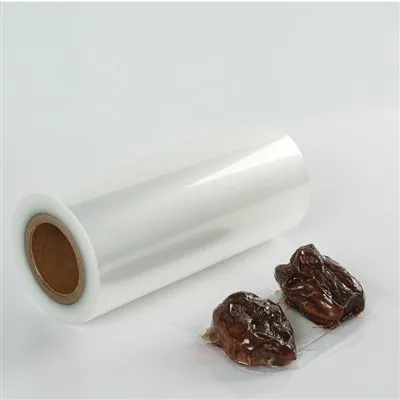
In conclusion, FIBC lining bag films can be highly resistant to tearing, depending on the polymer type, film thickness, additives, and manufacturing process. As a supplier, we take great care in selecting the right materials and optimizing the manufacturing process to ensure our films meet the highest standards of tear resistance.
Food Packaging Film If you’re in the market for reliable, tear – resistant FIBC lining bag films, I encourage you to reach out for a detailed discussion. We can help you select the most appropriate film for your specific application, taking into account factors such as product type, handling conditions, and environmental requirements. Feel free to contact us to start a conversation about your purchasing needs and explore how our products can enhance the performance of your FIBCs.
References
- Plastics Additives Handbook, 6th Edition
- ASTM International Standards for Plastic Films
- Journal of Packaging Science and Technology articles on flexible packaging materials
Wenzhou Fuya New Material Technology Co., Ltd.
Address: No. 588, Nengke Industrial Park, Shidai Avenue, Longgang City, Wenzhou City, Zhejiang Province
E-mail: fuya2750@gmail.com
WebSite: https://www.fuyafilm.com/
