Hey there, Speaker Grille
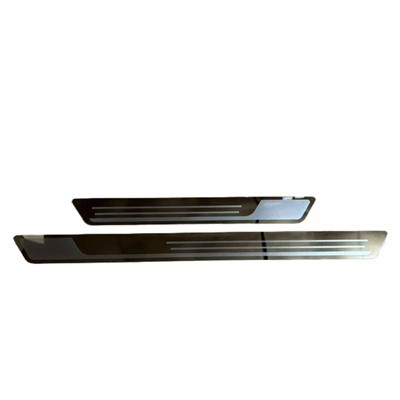
Let’s cut to the chase—if you’ve ever stared at a speaker (whether it’s the one in your living room, a portable Bluetooth beater, or a fancy home theater setup) and wondered what that shiny metal mesh thing covering the drivers is, you’re in the right spot. For years, I’ve fielded this question from folks online, audio newbies and gearheads alike, so today I’m breaking down exactly what a stainless steel speaker grille is, why it matters, and why it’s one of the best options out there for most speaker builds. And since I’m the guy on the supply end of this whole thing, I’m gonna give you the real tea—not the textbook fluff you’ll find on a Wikipedia deep dive.
First off, let’s get one thing straight: a speaker grille isn’t just a decorative cover. Yeah, it makes your speaker look sleek, keeps dust and grime off the fragile cone and tweeter (those tiny parts that actually make sound), and stops little kids, pets, or clumsy adults from poking a finger through a $500 driver. But a stainless steel grille? That’s a step above the plastic or cloth ones you see on cheap Bluetooth speakers. Let’s start with the material basics. Stainless steel is an alloy—usually iron plus chromium, plus a little nickel and other stuff—to make it resistant to rust and corrosion. You know how regular steel gets all orange and crumbly if it’s near water or humidity? Stainless doesn’t do that. That’s why it’s used for everything from kitchen sinks to car parts. For grilles, we pick a specific grade—usually 304 or 316, depending on where the speaker’s gonna live. 304’s the workhorse, great for indoor stuff like home theaters, bookshelf speakers, even outdoor patio speakers as long as they’re not right by the ocean. 316’s the saltwater-ready one, perfect for marine speakers, boats, or speakers on a coastal balcony where air’s super salty.
Now, how’s it made? I work with factories that turn raw stainless steel coil into those tiny, precise mesh screens. It’s not just punching holes in a sheet of metal (though some cheap knockoffs do that). Most quality stainless steel grilles are either woven mesh or perforated metal. Woven mesh is like the fabric in your jeans, but metal—thin stainless steel wires crisscrossed at tight, even gaps. We control the gap size, obviously, because if the holes are too big, the driver cones stick out and you can see ‘em, and if they’re too small, they mess with the sound. Wait, right—sound! That’s a big one most people miss. A grille’s job isn’t to block sound, it’s to let it pass through without muddling it. The best stainless steel grilles have a hole size and thickness that only absorb like 1-2% of the sound, so you don’t notice a difference in audio quality. Cheaper plastic grilles, on the other hand, can vibrate or resonate at certain frequencies, adding that weird tinny buzz you sometimes hear on budget speakers. We test every batch to make sure that doesn’t happen.
What makes stainless steel grilles better than the alternatives? Let’s compare real quick. First, cloth grilles—nice for hiding drivers, but they catch dust like crazy, you can’t wash ’em, and if you spill a soda or a drink on ’em? Good luck getting that stain out. They also get faded if they’re in direct sunlight for too long. Plastic grilles? They’re cheap to make, but they get brittle after a year or two if they’re outside, they scratch easy, and that same resonance thing I mentioned earlier. Even aluminum grilles, which are another metal option—aluminum’s lighter, but it dents super easily. Drop a speaker with an aluminum grille, and you’ve got a big ol’ dent you can’t buff out. Stainless steel? It’s tough. Like, if you bump a speaker into a wall, or a kid drops a toy on it, it just gets a scratch maybe, not a hole or a dent. And it’s easy to clean—wipe it down with a damp cloth, even use mild soap if it’s got dirt on it. No stains, no fading, no rust. That durability makes it a no-brainer for speakers that are gonna be used a lot, or in tough environments.
But wait, it’s not all perks, right? I’m not gonna lie—stainless steel grilles cost a little more upfront than cloth or cheap plastic. But think about the long game. If you buy a $100 speaker with a plastic grille that lasts two years before it cracks and rusts (yes, even “stainless” can spot rust if it’s a cheap grade, or you don’t maintain it), vs. a speaker with a stainless steel grille that lasts 10+ years? The stainless one’s a better deal. Especially if you’re a manufacturer building speakers to sell to customers who want something that lasts. I work with a lot of small audio brands that used to switch between plastic and stainless, and they tell me once they switched to stainless, their return rates for damaged grilles dropped by like 70%. That’s big for both them and their customers.
Another thing people don’t talk about: customization. A lot of folks think stainless steel grilles are just silver and boring. Nope! We can finish ’em any way you want. Polished stainless for a fancy modern speaker that matches your kitchen appliances, brushed for a more understated, industrial look, even powder-coated in any color—black, white, red, whatever. I’ve done custom gold powder-coated grilles for a high-end home theater setup a while back, and matte black for a portable outdoor speaker line. And since we’re a supplier, we can adjust the exact mesh size, the shape of the grille (round, square, rectangle, whatever fits your driver), even add a frame that matches your speaker’s cabinet. It’s not one-size-fits-all, which is why a lot of audio brands come to us directly instead of going with a generic grille supplier.
Now, let’s get into what to look for if you’re in the market for a speaker with a stainless steel grille, or if you’re a brand looking to source your own. First, check the grade of stainless steel. Like I said, 304 is standard, 316 is for harsh environments. If a supplier doesn’t tell you what grade they’re using, that’s a red flag—they might be cutting corners with a cheaper, lower grade that can rust over time. Next, look at the mesh quality. Woven vs. perforated: woven mesh is better for sound, because the gaps are smaller and more uniform, less resonance. Perforated is good for a more industrial look, but sometimes the holes are sharp around the edges, which can scratch fingers. Also, check how the grille is attached. Some just sit on top of the speaker, which is fine for portable stuff, but if it’s a home theater speaker that’s gonna be mounted on a wall, you want one with a tight frame that doesn’t rattle.
And for the love of all that’s audio, don’t buy a speaker with a stainless steel grille that’s too thick. We test grille thicknesses from 0.5mm up to 2mm, and thicker isn’t better. A 2mm grille might look tough, but it’ll block more sound and mess with the audio quality. For most applications, 0.8mm to 1mm is the sweet spot.
Let me give you a real example from my own experience. Last year, a customer of mine was building a line of wireless outdoor speakers for campgrounds and RV parks. They originally used plastic grilles, but within a year, half their stock had cracked grilles from being banged against picnic tables, and another third had rust spots from being exposed to rain and humidity. They switched to our 304 stainless steel woven mesh grilles, and now two years later, their return rate for grilles is less than 5%. They even upgraded a small portion to 316 for a coastal RV park client, and they haven’t had a single issue. That’s the kind of win I live for as a supplier.
Another common question I get: can you add a logo to a stainless steel grille? Hell yeah. We do laser engraving, silk screening, even embossing. If you want your brand’s logo on the corner of the grille, or a custom pattern for a limited edition speaker line, that’s totally doable. It’s a small touch, but it makes the speaker feel way more premium, and customers notice that.
Wait, let’s address a myth I hear all the time: “Stainless steel grilles are heavy, so they add too much weight to the speaker.” Yeah, they’re a little heavier than plastic, but modern audio speakers use lightweight drivers anyway, and the grille is such a small part of the total weight, you won’t even notice it. The only time weight is a concern is if you’re building a tiny portable Bluetooth speaker, and even then, we make mesh thin enough that it’s barely noticeable. For home theater, bookshelf, or outdoor speakers, the extra weight is a non-issue, and worth it for the durability.
So, putting it all together: a stainless steel speaker grille is a durable, sound-friendly, customizable protective cover for speaker drivers that’s way better than the alternative for most speaker applications. It’s not just a pretty face—it’s designed to do a job: protect your speaker, keep it sounding good, and last for years without wearing out.

Now, if you’re an audio brand looking to source high-quality stainless steel speaker grilles, or someone shopping for a new speaker and want to know what to look for in a grille, hit me up. I’m here to help, no sales pitch, no confusing jargon. Just real info from someone who’s been in the speaker grille game for years.
Speaker Grille References:
- Stainless Steel Grades and Applications, Nickel Institute, 2023
- Acoustic Properties of Perforated and Woven Mesh Grilles, Journal of Audio Engineering Society, 2021
- Durability of Exterior Speaker Components, Outdoor Audio Industry Association, 2022
Wenzhou Changke Crafts Co., Ltd.
As one of the leading speaker grille manufacturers in China, we warmly welcome you to wholesale bulk discount speaker grille in stock here from our factory. All handicrafts are with high quality and price price. Contact us for quotation.
Address: No. 26, Liandong North Road, Kunyang Town, Pingyang County, Wenzhou City, Zhejiang Province
E-mail: 1289577460@qq.com
WebSite: https://www.wzchangke.com/
