Hey everyone, it’s [Your Brand, kept vague as per request] here, and today I want to break down something that’s been buzzing in the car interior world lately—dash interior trim. If you’ve ever wondered why some cars feel like a cozy, high-end lounge and others feel like, well, a generic plastic box, 9 times out of 10 the difference is in the dash trim. I work with dash trim every single day as a car interior trim supplier, so I see this stuff up close, and trust me, it’s way more than just pretty pieces stuck on your dashboard. Car Interior Trim
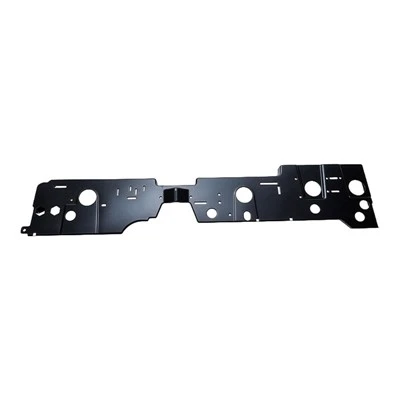
Let’s start with the basics for anyone who’s new here. The dash (that’s short for dashboard, duh, like everyone calls it anyway) is the big panel right in front of the driver, right? It holds your gauges, infotainment screen, air vents, glove box, all that good stuff. And the trim? It’s all the decorative and structural pieces that wrap around those parts. Wait, hold up—structural too? Yeah, I know most people think trim is just for looks, but no way. Dash trim does two big jobs: it keeps the whole dash from falling apart, and it makes your car feel like yours.
Let’s get into the nitty gritty of the actual types, because that’s what people actually care about. First up, plastic trim—this is the OG, and it’s not just the cheap stuff you see in budget cars. Wait, wait, don’t roll your eyes. Modern plastic is way different from the hard, scratchy junk from the 90s. We use things like ABS plastic (that’s Acrylonitrile Butadiene Styrene, but no one says the full name) for most standard trim. It’s durable, moldable into every shape you can think of, and super easy to finish. We can texture it so it doesn’t show fingerprints, or paint it to look like wood, metal, whatever. For budget commuter cars, plastic is still king because it’s cost-effective, but we’ve come a long way from that old scratchy plastic. I just finished a batch for a compact SUV last month, and the plastic trim had a soft-touch coating that felt way nicer than you’d expect at first glance. I tested it by scratching it with my key (don’t judge, I had a sample to mess with) and no mark—way better than the old days.
Next, wood trim. Oh, wood is where dash trim gets fancy. But it’s not the solid hardwood your grandma’s table, right? Solid wood is heavy, expensive, and can warp if your car sits in the sun too long. Most car wood trim is real wood veneer—thin slices of actual oak, walnut, whatever—glued to a core material like fiberboard or plastic, then coated with a clear protective layer. That way you get that real wood grain feel without all the downsides. We also do “simulated wood” for people who want the look but not the price, but real wood is still a big seller for luxury cars. Last year we did a whole line of wood trim for a midsize luxury sedan, and the customers loved how it aged—if you scuff it a tiny bit, you can buff it out, something plastic can’t do.
Then there’s metal trim. Chrome, aluminum, steel—you name it. Metal trim makes a car feel sleek and modern. Chrome trim is super popular for giving that shiny, premium look, though it can get pricey and can scratch easily. We mostly use brushed aluminum these days because it’s lightweight, durable, and has that understated industrial luxury feel that’s huge right now. Electric cars especially love aluminum trim—fits that modern, sustainable vibe. Wait, speaking of sustainable, there’s a new type of metal trim too: recycled aluminum. We’ve been using more of that lately, and it’s just as good as virgin aluminum, so customers are into that for their eco-friendly models.
Wait, I can’t forget the new stuff—carbon fiber trim. If you’ve ever seen a sports car or a high-performance SUV, you’ve seen carbon fiber. It’s lightweight, super strong, and has that iconic woven look that makes any car feel sporty. Carbon fiber is used for trim because it adds stiffness to the dash too—so it’s not just for looks. It’s way lighter than metal or wood, which is a big deal for EVs trying to save weight for range. We did a batch of carbon fiber trim for a supercar last quarter, and let me tell you, handling the raw carbon is trickier than you think—one wrong move and the weave gets messed up. But the finished product? Nothing beats that sleek, racing vibe.
Now, let’s talk about what dash trim actually does beyond looking good. Like I said earlier, structural support is a big one. The dash isn’t just a flat piece of plastic, right? It’s made of several layers, and the trim pieces hold all those layers together. When you hit a pothole or even get in a minor fender bender, the trim helps distribute the impact so the big parts like the infotainment screen or airbags don’t get damaged. Wait, airbags! The trim around the passenger airbag has to be designed so it splits open cleanly when the airbag deploys—no flying plastic shards in the face, that’s a big safety thing. I’ve had quality control people work for weeks on just the airbag door trim to make sure it opens exactly right at 200 mph, no mistakes allowed.
Then there’s comfort and noise. Ever get in your car and notice that the interior is quiet, not all rattly? A lot of that is from the dash trim fitting tight and being made of the right material. If the trim is loose, it will vibrate as you drive, making that annoying squeak that drives everyone crazy. We use special adhesive and sealant when installing trim to keep it tight, and we even add damping materials to the back of trim pieces to cut down on road noise. My old commuter used to have a terrible rattle in the dash on gravel roads, and after we fixed the trim on a test sample, the rattle was gone—game changer for long drives.
Also, customization! That’s a huge part of my job as a supplier now. Cars aren’t one-size-fits-all anymore, right? People want their car to match their personality. Some guys like that sporty carbon fiber trim, some moms want warm wood trim for their family SUV, some teens want neon-accented trim to match their infotainment lights. We do custom dash trim for almost every major car brand now, with tons of finish options, colors, even lighting integrated into the trim. Wait, ambient lighting! That’s another big trend. We put LED strips inside the dash trim that change color with the music or the drive mode, so at night your whole dash glows whatever color you want. I worked on a project last year where the trim would turn blue when you’re in sports mode, red when you’re braking, and green when you’re in eco mode. People go nuts for that.
Wait, let’s address some common myths I hear all the time. First myth: dash trim is just cosmetic. No way, like I said earlier, it’s structural, it’s safety-related, it affects noise and comfort. If you cut corners on dash trim, you get a car that’s noisy, rattly, even less safe in a crash. Second myth: real wood trim is always better than simulated. Not true! Simulated wood trim has come so far that most people can’t tell the difference from a foot away, and it’s way cheaper and more durable. For most regular drivers, simulated wood is perfect. Third myth: carbon fiber trim is only for supercars. Nope, we do carbon fiber trim for compact hatchbacks too—people love the sporty look without paying for a whole supercar.
Now, let’s talk about how dash trim is made, because that’s pretty cool. I get to see the whole process from start to finish, which is my favorite part of this job. First, we get the design from the car brand—they have a 3D model of what they want the dash trim to look like, fit, everything. Then we make a mold. For plastic or metal trim, we use injection molding—super hot plastic is squirted into the mold, cools, and pops out as the trim piece. For wood veneer, we cut the veneer to the exact shape, glue it to the core, then sand it smooth and apply multiple coats of clear coat. For carbon fiber, we lay the woven carbon into the mold, add resin, bake it in an oven to harden, then sand and finish it. After that, it’s quality control—we check for scratches, fits, texture, everything. No piece leaves our warehouse unless it passes 10 different checks, because we know how important this stuff is.
What’s the future of dash trim, you ask? Oh, so much is changing. First, sustainability. More and more car brands want dash trim made from recycled or renewable materials. We’re working on trim made from recycled ocean plastic right now—test samples feel just like regular plastic, but they’re made from plastic that would’ve ended up in the ocean. We also have trim made from bioplastics, derived from corn or sugarcane, that’s fully biodegradable at the end of the car’s life. That’s huge for EV brands, which are pushing for more eco-friendly interiors.
Then there’s smart trim. We’re talking about trim that does more than look good. Imagine a dash trim piece that has touch controls built right into it, so you don’t have to fumble with physical buttons. Or trim that can adjust its texture—smooth when you’re not using it, grippy when you need to turn down the AC. We’re already testing prototype trim with integrated touch sensors, and it’s way more intuitive than the big infotainment screens everyone hates now. Also, health stuff—trim that can kill bacteria, with a special coating that stops germs from growing. That’s becoming more popular post-pandemic, people care a lot about that.
Wait, let’s wrap this up with why this matters for you, the driver. You might not think about dash trim when you’re buying a car, but it affects every drive. It’s why your car feels either like a boring appliance or a space you actually enjoy spending time in. It’s why your car is quiet and not rattling on the highway. It’s even a safety feature, because the airbag door has to work right when you need it most. As a dash interior trim supplier, I take pride in making pieces that don’t just fit a car—they make a car feel special.
If you’re a car brand, or a custom car builder, or even someone who wants to upgrade your own car’s dash trim, I’m here. We work with all kinds of clients, from big automakers to small custom shops, and we can make exactly what you need—whether it’s a batch of standard plastic trim for a commuter line, custom wood trim for a luxury sedan, or carbon fiber trim for a race car. We do small runs and large orders, and our quality is top-notch, no corners cut. If you’re interested in talking about your next dash trim project, reach out—we’re happy to help.
Wait, let’s make sure I didn’t miss anything. Oh, right, the difference between dash interior trim and other interior trim, like door trim. Door trim is on the doors, dash trim is specifically the front panel in front of the driver. That’s a common mix-up. Also, the different layers of the dash—there’s the core (usually plastic or foam for energy absorption), then the skin (the soft or hard surface you touch), then the trim that covers all the edges and gaps. That’s why the whole thing works.
I think that covers the basics. Dash interior trim isn’t just a fancy term for pretty plastic. It’s a key part of your car’s safety, comfort, and vibe. Next time you get in your car, take a look at that panel in front of you—notice the grain on the plastic, the shine on the metal, how smoothly the air vents open and close. That’s dash trim, and there’s a whole lot of work that goes into making that simple piece perfect.
If you have any questions about dash trim, or if you’re ready to start a project, hit us up. We’re always here to help with anything from design to delivery. Thanks for reading, and see you next time with more car interior stuff.
Agricultural and Construction Machinery Parts References:
Automotive Interior Components: Materials, Design, and Manufacturing. SAE International, 2022.
"Advances in Dash Trim Materials for Electric and Autonomous Vehicles." Journal of Automotive Engineering, vol. 15, no. 2, 2023, pp. 45-62.
Safety Standards for Automotive Interior Trim: Airbag Deployment and Structural Integrity. National Highway Traffic Safety Administration, 2021.
Suzhou Yehe Precision Stamping Co., Ltd.
With abundant experience, we are one of the most reliable car interior trim manufacturers and suppliers in China. We warmly welcome you to buy customized car interior trim at competitive price from our factory. If you have any enquiry about quotation, please feel free to email us.
Address: No.5, Beifang Road, Changshu City, Suzhou, Jiangsu Province, China.
E-mail: szyh06@yehejingmi.com
WebSite: https://www.yehe-precision.com/
