Hey everyone, it’s Jake here from your go-to Vertical Form Fill Seal (VFFS) equipment supplier. Today, I’m sitting in on a floor call with a snack manufacturer customer who’s been complaining nonstop lately about their single-lane VFFS machine. They’re running 12-hour shifts, their line operators are burnt out from constant jams, and they’re leaving 15% of production on the table because their old line just can’t keep up with demand. Sound familiar? If you’re dealing with bottlenecks, missed deadlines, or overworked teams, let’s talk about multi-lane VFFS machines—no fancy jargon, just real, on-floor gains I’ve seen with our own customers. Vertical Form Fill Seal Machine(VFFS)
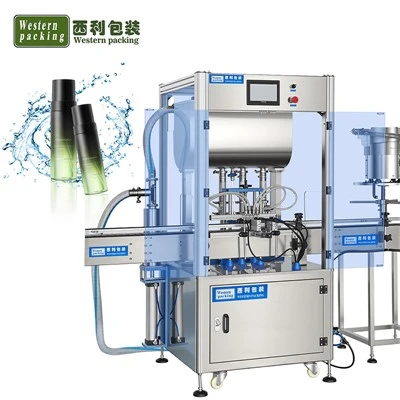
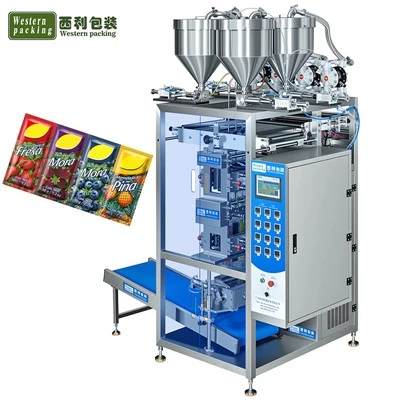
First off, let’s cut through the confusion: a multi-lane VFFS is basically two or three (sometimes even four!) packaging lines rolled into one single machine. Instead of feeding product, folding film, and sealing pouches one at a time, it splits that work across lanes. The big question is: how does this actually move the needle on production efficiency? Let’s break this down like I would with a new customer over coffee, no textbook required.
Start with the obvious: more output without more floor space. I had a candy bar customer last year who was cramming their single-lane VFFS into a 10-foot stretch of factory floor. When they tried to ramp up demand around Halloween, they needed another line—but their plant was already packed with mixing and wrapping gear. We swapped their single-lane for a two-lane VFFS, and they got 1.8x the output in the exact same footprint. No reconfiguring their whole line, no hauling in extra 12-foot long machines, just a simple swap that fit right where their old one sat. That’s not a win for the admin team; that’s a win for the ops manager who doesn’t have to fight the plant layout team for three months.
Wait, but you might be thinking: isn’t more lanes just more stuff to go wrong? That’s a valid thought—used right, multi-lane machines eliminate bottlenecks instead of adding them. Let’s talk about downtime first. On a single-lane VFFS, if the film feed jams or a seal fails, the whole line stops. No more product coming in, no more pouches going out. I had a pet food customer a few months back who was logging 8-10 hours of unplanned downtime a week because of single-lane seal issues. They switched to a three-lane machine, and here’s what shifted: each lane has its own independent feed, seal, and cutting system. If one lane has a small jam, you shut that lane down, fix it in 2 minutes, and keep the other two running. Their unplanned downtime dropped to 1.5 hours a week. That’s not theory—those lanes are built with their own motors and sensors, so a problem in Lane 1 doesn’t kill Lanes 2 and 3. It’s like having a three-lane highway instead of a single road; one car gets a flat, the rest keep moving.
Next up: lower labor costs, and not just “hiring fewer people.” On a single-lane line, you need at least one operator watching every step, especially if you’re running fast shifts—they’re refilling product, checking seals, fixing small jams every 20 minutes. With a multi-lane machine, one skilled operator can monitor all lanes at once. Our snack customer I mentioned earlier went from two operators per shift to one, because the machine’s built-in sensors flag issues (like low product or a bad seal) on all three lanes at a glance. The operator just walks down the line, fixes the problem on one lane, and they’re back to checking the rest. They reallocated the other operator to quality control, so less bad product was getting shipped, which cut their return rate by 7%. That’s a double win: lower payroll, and happier customers because you’re sending good stuff.
Wait, let’s get into the tech that makes this actually work, because old multi-lane machines were clunky and unreliable—don’t get me wrong, those are the ones that give this tech a bad name. The good ones (the ones we build) use what’s called servo-driven synchronization. Every part of each lane is synced to a central control panel, so when a pouch is being filled on Lane 1, the film feed on Lane 2 is timed perfectly, and the seal on Lane 3 isn’t overlapping with the cut. That means no misaligned pouches, no overlapping seals, no wasted film. On a single-lane line, you might waste 5-10 feet of film per hour adjusting for timing; on a multi-lane machine, that’s cut by almost 60%. My dry goods customer was spending $1,200 a month on film waste with their single-lane line; after switching, that dropped to $450. That’s cash in their pocket, no extra work required.
Another big one: faster changeovers. If you’re running different product SKUs, you know how much time changeovers eat into production. On a single-lane VFFS, switching from a 1oz granola bar to a 4oz cereal pouch means adjusting the film guides, the fill tube, the seal pressure, all one by one—takes 30-45 minutes. With a multi-lane machine, each lane has quick-change parts that are pre-programmed. Switching all three lanes to a new SKU takes 10-15 minutes tops. That’s 25-30 minutes more of running product instead of fiddling with dials. My coffee bean customer runs four different SKUs, and before their two-lane, they’d only get 18 hours of run time a day; now they’re at 21.5 hours. That’s an extra 27 hours of production a week, no extra shifts, no extra overtime.
But hold on—this isn’t for every operation. Let’s be real: if you’re a small business running 1,000 pouches a shift, a multi-lane machine is overkill. The setup cost might not make sense. But if you’re at the point where you’re turning down orders because your line can’t keep up, or your current line is running at 50-60% efficiency, this is the upgrade that moves the needle. I’ve worked with a lot of customers who hesitated at first because of the upfront cost, but when we did the math, they paid off the machine in 10-12 months from the extra output alone. No guesswork, just numbers.
Wait, let’s talk about quality too, because efficiency isn’t just speed—it’s not wasting good product. Multi-lane machines have individual quality sensors for each lane, instead of one big sensor for the whole line. If Lane 2 has a bad seal, the sensor flags that lane and only stops Lane 2, not the whole machine. On a single-lane line, a bad seal means you have to dump an entire batch, or spend hours sorting through pouches to pull the bad ones. My frozen veggie customer was dumping 2% of their production because of seal failures on their single-lane; on their three-lane, that dropped to 0.3%. That’s less product wasted, less time sorting, happier customers who don’t get a half-sealed pouch of peas.
And let’s not forget about operator burnout, which is a real cost most people don’t track. If your team is dealing with constant jams, long hours, and repeating the same fix 10 times a shift, they’ll make mistakes, call out sick more, or leave for another job. Multi-lane machines reduce the repetitive tasks, so operators are more engaged, less stressed, and more productive. I had a machine shop customer who had 3 operators quit in 6 months because their single-lane line was brutal. After switching to a two-lane, they haven’t had a turnover issue in 18 months. That saves them thousands in hiring and training costs, which is a hidden efficiency win.
Now, let’s talk about the fine print so you don’t get burned. Not all multi-lane VFFS machines are created equal. Some cheap ones out there cut corners on synchronization, so you get misaligned pouches and frequent cross-lane jams. Stick to machines that have independent lane controls, servo drives, and easy-to-use touchscreen panels—no more old-school knobs that take 2 hours to adjust. Also, make sure you have enough compressed air or power for a multi-lane line; that’s a common mistake. We always send a technician to assess your plant before we sell a machine, so we don’t leave you hanging with a line that doesn’t fit your setup.
Look, I’ve been in this industry for 12 years, and I’ve seen every trick in the book to squeeze more production out of old equipment. But multi-lane VFFS machines aren’t a gimmick—they’re a real solution for when you’re out of space, out of operator time, and out of excuses for missed deadlines. The customers who make the switch don’t just see a small bump in output; they see their overtime costs drop, their product waste go down, and their team actually looking forward to their shifts.
Vertical Form Fill Seal Machine(VFFS) If you’re tired of being stuck with a line that’s holding your business back, let’s talk. I can send you a case study from a company similar to yours, or walk you through a quick ROI calculation that’ll show you exactly how much you can gain from a multi-lane VFFS machine. No sales pitch, just straight talk about what works on the factory floor. Get in touch, and let’s figure out the right fit for your operation.
References
- VFFS Machine Production Efficiency: A Guide for Food & Beverage Manufacturers, Packaging Tech Journal, 2022
- Multi-Lane Packaging Systems: Downtime Reduction and Labor Optimization, Industrial Packaging Association, 2021
- Servo Synchronization in Vertical Packaging Equipment, Manufacturing Engineering Magazine, 2023
- Small to Mid-Scale Manufacturer’s Guide to Packaging Line Upgrades, Supply Chain Digest, 2022
- Downtime Cost Analysis for Packaging Operations, Plant Engineering Journal, 2021
Guangzhou Western Packing Co., Limited
Guangzhou Western Packing Co., Limited is one of the most professional vertical form fill seal machine(VFFS) manufacturers and suppliers in China, also supports custom service. With abundant experience, we warmly welcome you to wholesale durable vertical form fill seal machine(VFFS) at competitive price from our factory.
Address: No.3, Yilong street, Wulonggang, Zhongluotan Twon, Baiyun District, Guangzhou
E-mail: david@westernpacking.com
WebSite: https://www.westernpackingusa.com/
