Hey everyone, thanks for stopping by—if you’ve ever dabbled in (or just wondered about) biomass pellet machines, you probably know how chaotic it can feel if you’re staring at one mid-run and something goes sideways. As a biomass pellet machines supplier, I get so many questions about the random buttons, screens, and knobs on those machines, and almost every time, folks ask: “What’s the deal with that control panel anyway?” Like, is it just a fancy light show, or is it actually keeping the whole operation from melting down? Let’s break this down, straight talk, no jargon fluff. Biomass Pellet Machines
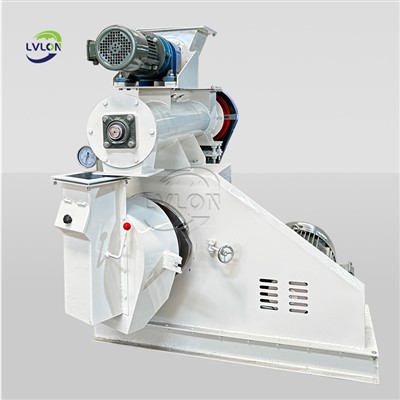
First off, let’s get one thing clear: a control panel on a biomass pellet machine isn’t an afterthought. I’ve seen clients show up looking at the “good deal” machines that skip on the panels, and let’s just say half of them are back within a month with fried motors or useless pellets that crumble before they even hit the bag. So what does this thing actually do? Let’s start with the basics that keep the machine from turning into a paperweight.
Think about a pellet machine—you’re shoving in sawdust, wood chips, maybe some crop residues like corn stalks, right? That material needs to get compressed super tight, heated just enough so the lignin in the plants turns into a natural glue, and pushed out as those little pellet cylinders. If any of those variables are off, you get nothing. The control panel is the boss that keeps all those numbers in line. It tracks temperature in the die (that’s the part that punches out the pellets, by the way) in real time. Mess that temperature up, and two bad things happen: too hot, and the lignin burns, making your pellets smell like burnt wood and not bind at all; too cold, and the lignin stays hard, so the pellets crumble. The panel will flash a warning if it’s off, or even shut the die down before it cracks. I’ve had a customer last year who tried to run his old machine without a working temperature sensor—he ruined two dies in two weeks, and a new one is way pricier than a basic control panel upgrade.
Next up, speed and pressure. The control panel controls the rotation speed of the main roller (or the die, depending on your machine) and the feed rate of the raw material. If you’re shoving too much sawdust in at once, the machine gets overloaded, the motor strains, and you either get no pellets or jam the whole thing so bad you have to take it apart with a crowbar. The panel adjusts feed speed automatically if it senses the motor pulling too many amps—no more babysitting the machine 24/7. For small operations, that’s a game changer, but even for big commercial setups, it cuts down on downtime like crazy. I always tell new clients: a control panel with adjustable speed settings means you can switch between different raw materials without re-calibrating every single thing manually. Like, if you’re running pine sawdust vs. wheat straw? The panel just tweaks the feed and speed, no guesswork.
Wait, let’s not forget safety. Yeah, safety stuff might sound boring, but it’s the most important part. The control panel has emergency stops (duh, but not just a random button—they’re wired to cut power to the whole system if you hit it, not just one part), and it monitors things like motor temperature, bearing wear, and even how much power the machine is drawing. If a bearing starts getting too hot before it seizes up, the panel will alarm, so you can fix it before it breaks. I once had a guy call me at 2 a.m. panicking because his old machine’s control panel didn’t alert him to a bad bearing—his machine was down for three days, and he lost a whole batch of orders. That’s the kind of headache a good control panel prevents.
Now, let’s talk about the stuff that makes life easier, not just keeps the machine running. Modern control panels—even on mid-range machines, not just the super fancy ones—let you save presets. Like, if you run 500kg of oak pellets every week and 300kg of corn stalk pellets every other week, you can save those two settings instead of adjusting feed, speed, and temp every single time. For small business owners who might not have a full-time operator, that’s huge—one person can run the machine just by tapping a saved setting, no training needed (well, basic training, obviously). Also, a lot of panels now have data tracking—they log how long the machine ran, how much material you processed, how many pellets you made, even little things like peak temperature times. That’s not just for bragging rights; you can use that data to figure out if you’re wasting material, or if you need to adjust your raw material mix to get better pellets. I had a client use that data last quarter and cut his material waste by 12% just by tweaking one setting based on what the panel told him.
Wait, let’s be real—control panels aren’t one-size-fits-all. I see a lot of new buyers who think a $1000 control panel is the same as a $500 one, but no way. The cheap ones are just basic on/off with a temp gauge that’s off by 20 degrees. The good ones are digital, have accurate sensors, and integrate with the rest of the machine. For example, if you have a machine that has a pre-conditioner (something that heats the material before it goes into the die), the control panel links that too, so the pre-conditioner temp matches the die temp perfectly. The cheap panels miss that link, so you’re heating material unnecessarily.
Let me also address the “is this overkill?” question I get all the time from people with small operations—like, if you’re just doing a backyard setup, or a small farm selling a few pellets a month, do you need a fancy control panel? Nope, not if you’re just starting out. But if you’re planning to scale, or if you want pellets that actually sell (no one buys crumbly pellets that won’t burn right), then even a basic digital panel is worth it. I had a small farmer last year who started with a no-panel machine, made pellets that were fine for his own use, but when he tried selling them to a local garden supply store, they sent them back because half were crumbly. He upgraded to a basic control panel for $800, and within two months he was filling two orders a week. That’s not a big expense, but it made his whole business work.
And as a supplier, I can tell you—when we put a control panel on a machine, it’s not just a component we throw in. We test the whole system: we run different materials, check that the temp readings are accurate, make sure the alarms work, and even walk customers through how to use the basic presets before they leave. If a client comes to us and says they want a machine without a control panel, we talk them out of it. Yeah, it’s cheaper upfront, but the downtime and repairs will cost way more long-term. I’ve seen clients save thousands by just opting for a decent control panel instead of cutting costs there.
Wait, let’s also clear up a common misconception: some people think the control panel is just for stopping and starting, but no—it’s the central nervous system. Every part of the pellet machine communicates with the panel: the feed auger, the die, the rollers, the motor, even the cooling system. If one part is out of whack, the panel adjusts the others to keep the pellets consistent. Without that link, you’re guessing the whole time. I had a client once who ran his machine with no panel, so he’d check the temp with a handheld thermometer every hour—great, until he had to step away for a meeting, and the temp spiked and ruined a whole batch of 2 tons of pellets. That’s $400 down the drain, just because he skipped the panel.
Now, if you’re shopping for a biomass pellet machine, what should you look for in a control panel? First, make sure it’s digital, not analog. Analog gauges are easy to read wrong, and they’re less accurate. Second, check that it has real-time alarm alerts—either on the screen, or with a sound if something’s off. Third, see if it has preset settings for different raw materials. And if you’re going commercial, go for one that logs data—you’ll thank yourself later.
At the end of the day, the control panel is the quiet workhorse of the biomass pellet machine. It’s not the part that makes the loud noise, or the part that looks flashy, but it’s the part that keeps your pellets consistent, your machine running, and you from losing money to breakdowns or bad batches. I’ve been in this game for years, and I’d take a machine with a solid control panel over a fancy-looking machine without one any day.
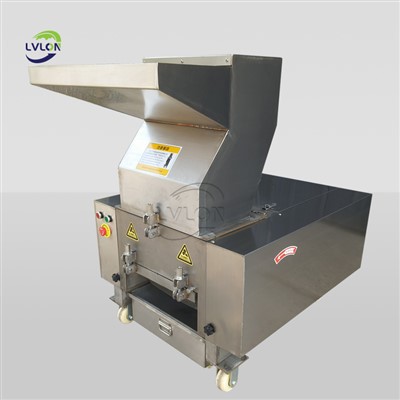
If you’re in the market for a biomass pellet machine, or you have questions about control panels (or anything else, really—no question is too small), feel free to reach out to our team to chat. We don’t do pushy sales talks, we just give straight answers based on what we’ve seen clients actually need, because we’ve been in your shoes helping folks get their pellet operations up and running for years. We can walk you through different control panel options, based on the size of your operation, what kind of materials you’re using, and what your goals are—whether that’s a small backyard setup, or a commercial-scale production line. Don’t waste time or money on machines that skip the important stuff, and don’t hesitate to connect with us to figure out what works for you.
Food Grinder References
- Biomass Pellet Manufacturing: A Practical Guide, Pellet Technology Association, 2022
- Industrial Control Systems for Agricultural Machinery, Journal of Applied Engineering Sciences, Vol. 18, No. 2, 2021
- Cost-Benefit Analysis of Control Panel Upgrades for Small-Scale Pellet Producers, Renewable Energy Focus, Vol. 40, 2022
- Safety Standards for Biomass Processing Equipment, Occupational Safety and Health Administration (OSHA), 2023
Henan Lvlon Industrial Co., Ltd.
We’re well-known as one of the leading biomass pellet machine suppliers in China, featured by quality products and good price. Please rest assured to buy high-grade biomass pellet machine for sale here from our factory. Welcome to view our website for more information.
Address: Unit 5, 5th Floor, Building 11, No. 18 Dongfeng Road, Jinshui District, Zhengzhou City, Henan Province.
E-mail: lvlonxu@gmail.com
WebSite: https://www.lvlonmachinery.com/
