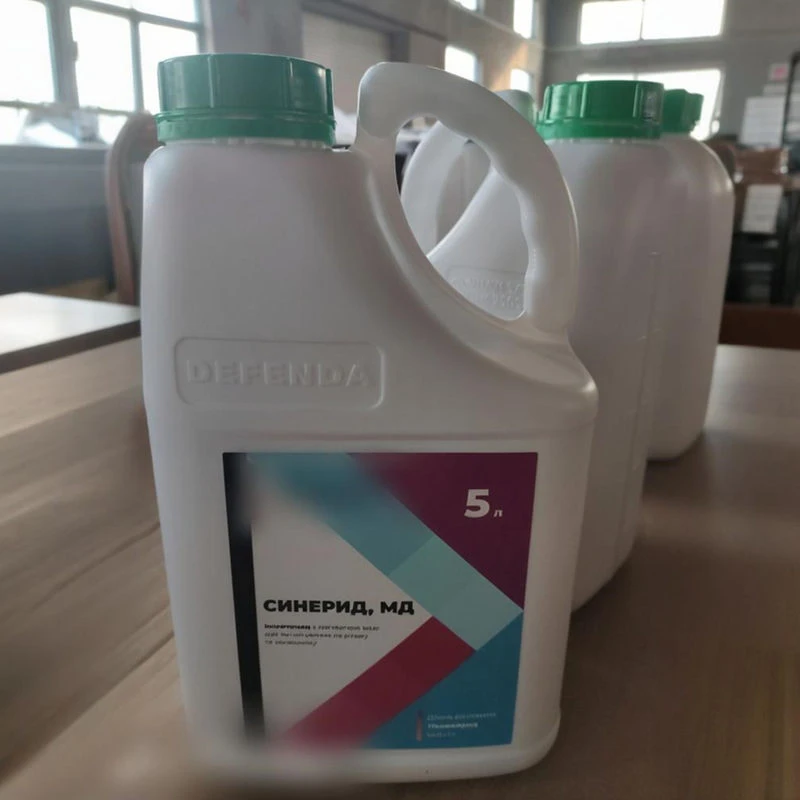
As a supplier of metazachlor, one question I often encounter from farmers, agronomists, and fellow industry players is whether metazachlor can be used in combination with other growth regulators. This topic is of great significance as it directly impacts the efficiency and effectiveness of crop management strategies. In this blog, I will delve into the scientific aspects of this question, exploring the potential benefits, limitations, and considerations when using metazachlor in conjunction with other growth regulators. Metazachlor
Understanding Metazachlor
Metazachlor is a widely – used herbicide in the agricultural industry. It belongs to the chloroacetanilide family and is primarily used for pre – emergence control of annual grasses and some broad – leaved weeds in various crops such as oilseed rape, maize, and sugar beet. Its mode of action involves inhibiting the synthesis of very – long – chain fatty acids in plants, which ultimately leads to the disruption of cell membrane formation and growth inhibition in target weeds.
One of the key advantages of metazachlor is its broad – spectrum activity against a wide range of weeds. It provides effective control at relatively low application rates, making it a cost – effective option for farmers. Moreover, metazachlor has good soil persistence, which means it can provide long – lasting weed control during the critical early growth stages of crops.
Growth Regulators: An Overview
Growth regulators are substances that can modify the growth and development of plants. They can be classified into several categories, including auxins, gibberellins, cytokinins, abscisic acid, and ethylene. Each type of growth regulator has specific functions:
- Auxins: Promote cell elongation, root development, and apical dominance.
- Gibberellins: Stimulate stem elongation, seed germination, and flowering.
- Cytokinins: Encourage cell division, delay senescence, and promote lateral bud growth.
- Abscisic acid: Regulates plant responses to stress, dormancy, and stomatal closure.
- Ethylene: Influences fruit ripening, leaf abscission, and flower senescence.
Farmers often use growth regulators to enhance crop yield, improve quality, and manage plant growth patterns according to their specific needs.
Can Metazachlor be Used in Combination with Other Growth Regulators?
The answer to this question is not a simple yes or no. It depends on several factors, including the type of growth regulator, the target crop, the application rate, and the environmental conditions.
Potential Benefits
- Enhanced Weed Control and Crop Growth: Combining metazachlor with certain growth regulators may offer both weed control and improved crop growth. For example, some auxin – based growth regulators can enhance the root development of crops. When used in combination with metazachlor, while the herbicide controls the weeds, the growth regulator can promote the stronger root system of the crop, making it more competitive against weeds and better able to absorb nutrients and water from the soil.
- Reduced Application Frequency: Using a combination of metazachlor and growth regulators might allow for a reduction in the number of separate applications. Instead of applying them at different times, a single application of a premix or a sequential application of compatible products can save time and labor for farmers.
Potential Limitations
- Phytotoxicity: One of the major concerns when combining metazachlor with growth regulators is the risk of phytotoxicity. Each chemical has its own mode of action and toxicity profile. When they are mixed, there may be unexpected interactions that can harm the crop. For instance, if the combination disrupts the hormonal balance in the crop, it can lead to stunted growth, leaf discoloration, or other forms of damage.
- Efficacy Reduction: In some cases, the combination may reduce the efficacy of either metazachlor or the growth regulator. Chemical reactions between the two substances may occur in the spray tank or in the soil, leading to the degradation of one or both of the active ingredients. This can result in sub – optimal weed control or growth regulation.
Considerations for Combining Metazachlor with Growth Regulators
- Compatibility Testing: Before using a combination of metazachlor and growth regulators on a large scale, it is essential to conduct compatibility tests. This can involve simple jar tests to check for physical compatibility (e.g., no precipitation, phase separation) as well as small – scale field trials to evaluate the biological effects on the crop and weeds.
- Crop Sensitivity: Different crops have different sensitivities to metazachlor and growth regulators. For example, some varieties of oilseed rape may tolerate a certain combination better than others. Farmers should always refer to the crop – specific guidelines and consult with agronomists to ensure the safety and efficacy of the combination.
- Application Rate and Timing: The application rate of both metazachlor and the growth regulator needs to be carefully determined. Over – application can increase the risk of phytotoxicity, while under – application may result in poor weed control and growth regulation. Additionally, the timing of application is crucial. For example, some growth regulators are most effective when applied at specific growth stages of the crop, and this should be coordinated with the pre – emergence application of metazachlor.
Case Studies
There have been a few case studies on the combination of metazachlor with growth regulators. In some regions where oilseed rape is grown, farmers have experimented with combining metazachlor with a cytokinin – based growth regulator. The results showed that, under carefully controlled conditions, the combination could improve the early growth of oilseed rape while still providing effective weed control. However, in other cases where the application rates were not properly adjusted, there were signs of mild phytotoxicity, such as yellowing of the lower leaves.
Conclusion
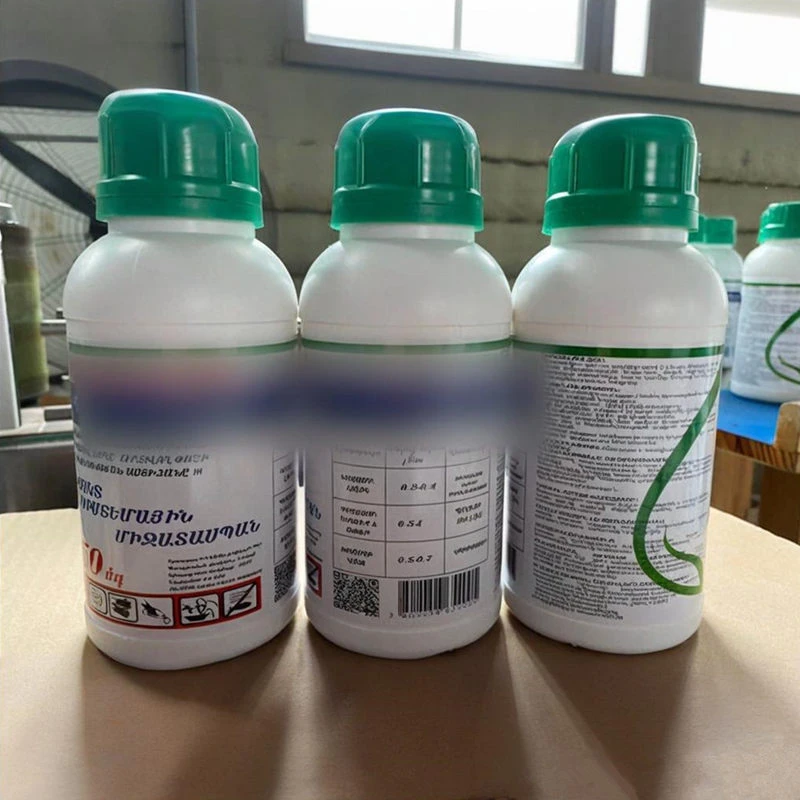
In conclusion, metazachlor can potentially be used in combination with other growth regulators, but it requires careful consideration and planning. The potential benefits of enhanced weed control and improved crop growth are significant, but the risks of phytotoxicity and efficacy reduction cannot be ignored.
MCPA As a metazachlor supplier, I am always committed to providing high – quality products and relevant technical support. If you are interested in exploring the possibility of using metazachlor in combination with growth regulators for your crops, I encourage you to reach out to me for more information. We can discuss your specific needs, conduct compatibility tests if necessary, and develop a customized solution for your agricultural operations.
Engaging in a discussion about the combination of metazachlor and growth regulators will not only help you make informed decisions but also contribute to the sustainable development of your farm. So, don’t hesitate to contact me if you have any questions or would like to start a discussion about this exciting topic. Let’s work together to optimize your crop yields and protect your investment.
References
- Tomlin, C. D. S. (Ed.). (2009). The e – Pesticide Manual: World Compendium. BCPC.
- Grossmann, K. (2000). Mode of action of chloroacetanilide and oxyacetanilide herbicides: Inhibition of very – long – chain fatty acid synthesis. Pest Management Science, 56(3), 206 – 212.
- Davies, P. J. (2004). Plant hormones: Biosynthesis, signal transduction, action! Kluwer Academic Publishers.
Changzhou Dayilong Bio-Tech Co., Ltd.
With abundant experience, we are one of the most professional metazachlor manufacturers and suppliers in China. Please rest assured to buy bulk high quality metazachlor made in China here from our factory. Good service and reasonable price are available.
Address: Hundsun Science & Technology Park 3-1, BeiTangHe Road 8, Tianning District, Changzhou City, Jiangsu, China
E-mail: Sales@dayilongbio-tech.com
WebSite: https://www.dayilongagro-chemical.com/
