Drilling and blasting are integral parts of many mining and construction operations, and Down-The-Hole (DTH) bits play a crucial role in these processes. As a DTH bit supplier, I understand the significance of maintaining these tools to ensure their longevity, efficiency, and optimal performance. In this blog, I’ll share valuable insights on how to maintain DTH bits, drawing from years of experience in the industry. DTH Bit
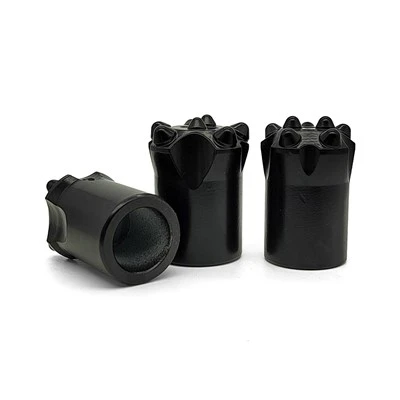
Routine Inspection
The first step in maintaining DTH bits is conducting routine inspections. Regular checks can help identify early signs of wear, damage, or potential issues, allowing for timely intervention and preventing more significant problems down the line.
Visual Inspection
Visual inspection should be performed before and after each use of the DTH bit. Look for any visible signs of wear, such as chipped or worn teeth, cracks, or excessive damage to the body of the bit. Pay close attention to the shank end, as this area is prone to wear due to the repeated impact and vibration during drilling.
Inspect the flushing holes in the bit to ensure they are clear of debris. Blocked flushing holes can impede the flow of compressed air, reducing the efficiency of the drilling process and potentially causing overheating of the bit.
Wear Measurement
Periodically measure the wear of the DTH bit. This can be done using specialized tools, such as calipers or wear gauges. Measuring the wear of the teeth and the overall diameter of the bit can help determine when it’s time for replacement or reconditioning.
Establish a wear limit for your DTH bits based on the manufacturer’s recommendations and your specific operating conditions. Once the bit reaches or exceeds this wear limit, it should be replaced or reconditioned to maintain optimal performance.
Proper Storage
Proper storage of DTH bits is essential to prevent corrosion, damage, and premature wear. When not in use, DTH bits should be stored in a clean, dry, and well-ventilated area.
Cleaning
Before storing the DTH bit, it should be thoroughly cleaned to remove any dirt, debris, or drilling fluids. Use a wire brush or compressed air to clean the flushing holes and the body of the bit. If necessary, use a mild detergent and water to remove stubborn dirt or grease.
Ensure that the bit is completely dry before storing it to prevent corrosion. Allow the bit to air dry naturally or use a clean, dry cloth to wipe it dry.
Lubrication
Apply a thin layer of lubricant to the shank end and other moving parts of the DTH bit to prevent corrosion and reduce friction. Use a high-quality lubricant recommended by the manufacturer, and follow the application instructions carefully.
Storage Container
Store the DTH bit in a suitable storage container, such as a wooden crate or a metal cabinet, to protect it from physical damage and environmental factors. If storing multiple bits, ensure they are separated to prevent them from rubbing against each other and causing damage.
Correct Usage
Using DTH bits correctly is crucial for their maintenance and performance. Improper usage can lead to premature wear, damage, and reduced efficiency.
Matching the Bit to the Rock Type
Select the appropriate DTH bit for the specific rock type and drilling conditions. Different rock types require different bit designs and tooth configurations to achieve optimal performance. For example, softer rocks may require a bit with a larger number of teeth for faster penetration, while harder rocks may require a bit with fewer, more robust teeth for better durability.
Consult with the manufacturer or a drilling expert to determine the most suitable DTH bit for your application.
Maintaining Proper Air Pressure
Compressed air is used to drive the DTH hammer and flush the cuttings from the borehole. Maintaining the proper air pressure is essential for the efficient operation of the DTH bit.
Refer to the manufacturer’s recommendations for the correct air pressure settings for your specific DTH bit and hammer. Too low air pressure can result in reduced drilling speed and inefficient flushing, while too high air pressure can cause excessive wear and damage to the bit and the hammer.
Controlling the Penetration Rate
The penetration rate of the DTH bit should be carefully controlled to prevent overloading and premature wear. Factors such as the rock type, bit size, and air pressure can affect the optimal penetration rate.
Monitor the drilling process and adjust the penetration rate as needed. If the bit is struggling to penetrate the rock, reduce the penetration rate and increase the air pressure slightly. Conversely, if the bit is penetrating too quickly, increase the penetration rate and adjust the air pressure accordingly.
Reconditioning and Repair
Over time, DTH bits will experience wear and tear, and may require reconditioning or repair to extend their service life.
Reconditioning
Reconditioning involves restoring the DTH bit to its original specifications by replacing worn or damaged parts, reshaping the teeth, and refurbishing the body of the bit. This process can be cost-effective compared to purchasing a new bit, especially for high-quality, expensive bits.
Partner with a reputable reconditioning service provider that has experience working with DTH bits. Ensure that the reconditioning process meets the manufacturer’s standards and specifications.
Repair
In some cases, minor damage to the DTH bit can be repaired on-site. For example, small chips or cracks in the teeth can be repaired using specialized welding techniques. However, more significant damage may require the bit to be sent to a professional repair facility.
Before attempting any repairs on the DTH bit, consult with the manufacturer or a qualified technician to ensure that the repair is safe and will not compromise the performance of the bit.
Training and Education
Providing proper training and education to drill operators is essential for the maintenance and optimal performance of DTH bits. Operators should be knowledgeable about the correct usage, inspection, and maintenance procedures for DTH bits.
Training Programs
Develop comprehensive training programs for drill operators that cover the following topics:
- Basic principles of DTH drilling
- Selection and matching of DTH bits to different rock types
- Inspection and maintenance procedures for DTH bits
- Troubleshooting common problems with DTH bits
Ensure that the training programs are hands-on and practical, allowing operators to gain real-world experience and confidence in working with DTH bits.
Continuing Education
Encourage drill operators to participate in continuing education programs to stay up-to-date with the latest advancements in DTH drilling technology and maintenance practices. This can include attending industry conferences, workshops, and seminars.
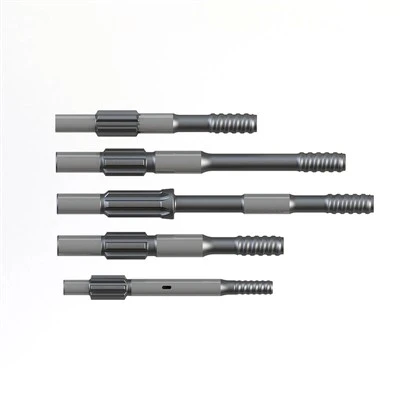
As a DTH bit supplier, I’m committed to providing high-quality products and exceptional customer service. By following these maintenance tips, you can extend the service life of your DTH bits, improve their performance, and reduce operating costs.
DTH Sub Adapter If you’re in the market for DTH bits or have any questions about their maintenance, I invite you to contact me for a consultation. I’ll be happy to assist you in selecting the right DTH bits for your needs and providing you with the support and expertise you require.
References
- Manufacturer’s manuals and technical specifications for DTH bits
- Industry publications and research on DTH drilling technology and maintenance
- Personal experience and expertise gained from working in the DTH bit supply industry
Super Rock Machinery Equipment (Qingdao) Co., Ltd.
We are one of the most professional DTH bit manufacturers and suppliers in China, featured by quality products and good price. Please feel free to buy advanced DTH bit for sale here from our factory. Welcome to view our website for more information.
Address: No. 45, Pengwan Road, Qianwan Bonded Port Area, Qingdao Sub-district, Free Trade Pilot Zone, Shandong China
E-mail: sales@superrocktools.com
WebSite: https://www.superrocktools.com/
