Are Ventilated Seat Cushions Eco – friendly?
As a supplier of ventilated seat cushions, I’ve always been deeply interested in exploring the environmental impact of our products. In today’s world, where environmental concerns are at the forefront of global discussions, it’s crucial for every industry, including ours, to assess and understand its ecological footprint. This blog aims to delve into the question: Are ventilated seat cushions eco – friendly? Ventilated Seat Cushion
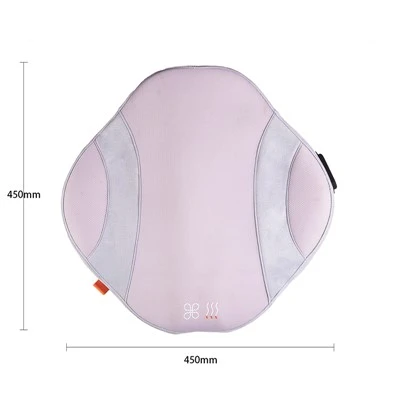
Materials Used in Ventilated Seat Cushions
One of the key factors in determining the eco – friendliness of a product is the materials it is made from. Ventilated seat cushions typically use a variety of materials, each with its own environmental implications.
Many of our ventilated seat cushions are constructed with a combination of synthetic fabrics and foams. Synthetic fabrics, such as polyester, are commonly used due to their durability and breathability. However, the production of polyester is energy – intensive and relies on petroleum, a non – renewable resource. On the other hand, some of our premium models incorporate natural fibers, like cotton. Cotton is a renewable resource, and it is biodegradable, which means it has a lower environmental impact at the end of its life cycle.
The foams used in seat cushions also play a significant role. Traditional polyurethane foams are widely used because of their comfort and support. But they are made from petrochemicals and can release volatile organic compounds (VOCs) into the environment, especially when new. To address this issue, we have started using bio – based foams in some of our products. These bio – based foams are made from renewable resources, such as soybeans, and have a reduced carbon footprint compared to their petroleum – based counterparts.
Energy Efficiency and Ventilation Technology
The ventilation system in our seat cushions is designed to enhance comfort by reducing heat and humidity. This technology can have both positive and negative environmental impacts.
On the positive side, a well – ventilated seat cushion can reduce the need for air – conditioning in vehicles or indoor spaces. When a person is sitting on a ventilated cushion, they feel cooler, which may lead to less reliance on air – conditioning units. Since air – conditioning is a major energy consumer, especially in hot climates, using ventilated seat cushions can potentially contribute to energy savings.
However, the ventilation mechanism itself requires a certain amount of energy to operate. Most of our seat cushions are powered by electricity, either through a vehicle’s power outlet or a standard electrical socket. To minimize the energy consumption, we have invested in using energy – efficient motors and fans in our products. These motors are designed to provide sufficient airflow while consuming less power, thus reducing the overall environmental impact associated with the operation of the seat cushions.
Lifespan and Durability
The lifespan and durability of ventilated seat cushions also affect their eco – friendliness. A product that lasts longer will generally have a lower environmental impact because it doesn’t need to be replaced as frequently.
We take pride in the quality and durability of our seat cushions. Our products are designed to withstand regular use and are rigorously tested for reliability. By using high – quality materials and advanced manufacturing techniques, we ensure that our seat cushions have a long lifespan. This reduces the amount of waste generated from frequent replacements and also conserves resources that would otherwise be used to produce new cushions.
In addition, we offer repair and maintenance services for our seat cushions. If a component of the cushion malfunctions, instead of throwing the whole product away, customers can send it to us for repair. This approach further extends the lifespan of the product and reduces waste.
End – of – Life Management
The way a product is disposed of at the end of its life is a critical aspect of its eco – friendliness. For our ventilated seat cushions, we are working on developing comprehensive end – of – life management strategies.
We encourage customers to recycle the materials in our seat cushions whenever possible. Some of the components, such as the synthetic fabrics and metals, can be recycled and used in the production of new products. To facilitate this process, we are exploring partnerships with recycling facilities to ensure that our seat cushions are properly recycled.
In addition, for the parts that cannot be recycled, we are looking into ways to minimize their environmental impact. For example, we are researching the use of biodegradable materials in the future to replace non – biodegradable components. This would allow the cushions to break down naturally over time, reducing the amount of waste that ends up in landfills.
Comparison with Alternatives
To better understand the eco – friendliness of ventilated seat cushions, it’s useful to compare them with alternative products on the market.
Traditional non – ventilated seat cushions often rely on thick padding and materials to provide comfort. These cushions can trap heat and moisture, leading to an uncomfortable sitting experience. To combat this, people may use air – conditioning more frequently, which increases energy consumption. In contrast, ventilated seat cushions can provide a cooler and more comfortable sitting experience without the need for excessive air – conditioning use.
Another alternative is using seat covers made from natural materials without any ventilation technology. While these natural seat covers may be more eco – friendly in terms of the materials they are made from, they do not offer the same level of comfort as ventilated seat cushions, especially in hot environments. Therefore, in terms of overall environmental impact when considering the potential energy savings from reduced air – conditioning use, ventilated seat cushions can be a more sustainable choice.
Conclusion
So, are ventilated seat cushions eco – friendly? The answer is not a simple yes or no. Our ventilated seat cushions have both positive and negative environmental aspects. On the one hand, the use of renewable materials, energy – efficient technology, and efforts to extend the product’s lifespan and manage its end – of – life contribute to their eco – friendliness. On the other hand, the use of some non – renewable materials and the energy required for operation pose challenges.
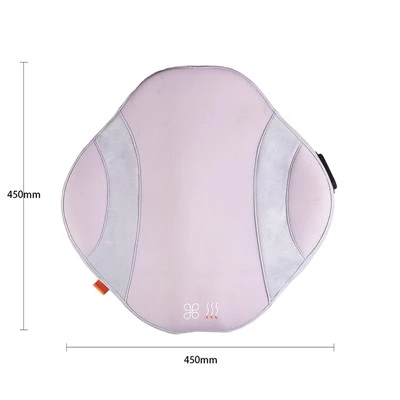
As a supplier, we are committed to continuously improving the environmental performance of our products. We will continue to invest in research and development to find more sustainable materials and technologies. We believe that by making our ventilated seat cushions as eco – friendly as possible, we can not only provide a high – quality product to our customers but also contribute to a more sustainable future.
Ventilated Seat Cushion If you are interested in our ventilated seat cushions or would like to discuss potential procurement opportunities, please feel free to contact us. We are more than happy to have in – depth discussions with you about our products, their features, and how they can meet your specific needs.
References
- "The Environmental Impact of Synthetic Fibers", Journal of Textile Science and Technology
- "Energy – Efficient Motor Technologies", International Journal of Energy Research
- "Sustainable Product Design: Strategies for Lifespan Extension", Journal of Industrial and Production Engineering
Elion Medlink (Hefei) Medical Technology Co., Ltd.
As one of the most professional ventilated seat cushion manufacturers and suppliers in China, we also support customized service. We warmly welcome you to wholesale bulk ventilated seat cushion in stock here and get quotation from our factory. Quality products and low price are available.
Address: 3rd Floor, Building B, No.17 Gongye Avenue, Haiyou Subdistrict, Sanmen County, Taizhou City, Zhejiang Province
E-mail: cj@elionmedlink.com
WebSite: https://www.magicushion.com/
