As a seasoned supplier in the field of surgical instruments, I’ve witnessed firsthand the critical importance of quality testing in ensuring patient safety and the effectiveness of medical procedures. In this blog, I’ll delve into the comprehensive process of testing surgical instruments for quality, drawing on my years of experience in the industry. Surgical Instruments
Understanding the Significance of Quality Testing
Surgical instruments are essential tools in the medical field, used in a wide range of procedures from minor surgeries to complex operations. The quality of these instruments directly impacts the success of surgeries and the well – being of patients. Faulty or sub – standard instruments can lead to complications, infections, and even endanger the lives of patients. Therefore, rigorous quality testing is non – negotiable.
Initial Inspection: Visual and Dimensional Checks
The quality testing journey of surgical instruments begins with a thorough visual inspection. When the instruments arrive at our facilities, our team of trained inspectors examines each piece carefully. They look for any visible defects such as scratches, dents, or uneven surfaces. These seemingly minor flaws can have a significant impact on the performance of the instrument. For example, a scratch on a scalpel blade can cause it to dull more quickly, leading to a less precise incision.
Dimensional checks are also a crucial part of the initial inspection. Each surgical instrument is designed to have specific dimensions to ensure proper functionality. Using precision measuring tools like calipers and micrometers, we verify that the instruments meet the specified size requirements. For instance, the diameter of a catheter or the length of a forceps must be within a narrow tolerance range to work effectively in a surgical setting.
Material Analysis
The materials used in surgical instruments play a vital role in their quality and performance. We conduct in – depth material analysis to ensure that only the highest – quality materials are used. One of the most common methods is spectroscopy, which can identify the chemical composition of the materials. For example, stainless steel is a popular material for surgical instruments due to its corrosion resistance and strength. Through spectroscopy, we can confirm that the stainless steel used in our instruments has the correct alloy composition, ensuring its durability and suitability for medical use.
In addition to chemical composition, we also examine the physical properties of the materials. Hardness testing is a key part of this process. A surgical instrument needs to have the right level of hardness to maintain its shape and sharpness during use. We use techniques such as the Rockwell or Vickers hardness tests to measure the hardness of the instrument’s materials.
Functional Testing
Once the initial inspection and material analysis are complete, we move on to functional testing. This step is designed to ensure that the surgical instruments perform as intended in a real – world surgical environment.
For cutting instruments like scalpels and scissors, we test their sharpness. We use standardized testing materials to simulate the tissue that the instruments will encounter during surgery. The sharpness is evaluated based on the ease of cutting and the smoothness of the cut. A dull instrument will require more force to cut, which can lead to tissue damage and longer surgical times.
For grasping and holding instruments such as forceps and clamps, we test their gripping strength and precision. We measure the amount of force required to open and close the instruments and ensure that they can hold objects firmly without slipping. The tips of these instruments must also be precise to allow for accurate manipulation of tissues and sutures.
For instruments with moving parts, such as retractors and hemostats, we test their range of motion and smoothness. The parts should move freely without any sticking or binding, as this could impede the surgeon’s ability to use the instrument effectively.
Sterilization Compatibility Testing
Surgical instruments must be sterilized before each use to prevent the spread of infections. Therefore, they need to be compatible with various sterilization methods. We test the instruments’ resistance to different sterilization processes, such as autoclaving, chemical sterilization, and radiation sterilization.
During autoclave testing, we subject the instruments to high – temperature and high – pressure steam cycles, similar to those used in hospitals. We then examine the instruments for any signs of damage, such as warping, discoloration, or loss of functionality. Chemical sterilization testing involves exposing the instruments to different sterilizing agents and checking for any adverse reactions, such as corrosion or degradation of the materials.
Biocompatibility Testing
Since surgical instruments come into direct contact with the human body, they must be biocompatible. Biocompatibility testing assesses the instrument’s ability to interact with living tissues without causing an adverse biological response.
We conduct a series of in – vitro and in – vivo tests. In – vitro tests involve exposing the instrument to cell cultures to observe any toxic effects on the cells. In – vivo tests, which are conducted in accordance with strict ethical guidelines, may involve implanting the instrument in animals for a certain period to evaluate the tissue reaction. These tests help us ensure that the instruments are safe for use in human patients.
Final Inspection and Documentation
After all the testing processes are completed, the surgical instruments undergo a final inspection. This is a comprehensive review of all the test results to ensure that the instruments meet our strict quality standards. Only instruments that pass all the tests are approved for distribution.
We also maintain detailed documentation of all the testing procedures and results. This documentation serves as a record of the instrument’s quality and can be used for traceability purposes. In case of any issues or recalls, we can quickly access the information related to the instrument’s production and testing history.
Commitment to Quality and Call to Action
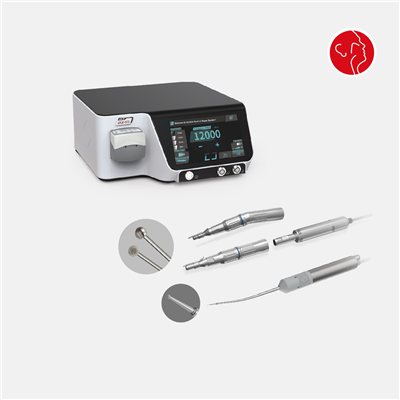
At our company, we are committed to providing the highest – quality surgical instruments to our customers. Our rigorous quality testing process ensures that every instrument we supply meets the strictest standards of safety and performance.
Endoscopy Related Equipments If you’re in the market for high – quality surgical instruments, we invite you to reach out to us for a procurement discussion. We have a wide range of products to meet your specific needs, and our team of experts is ready to assist you in finding the right solutions for your medical facility. Whether you’re a small clinic or a large hospital, we can offer you reliable and cost – effective surgical instruments. Contact us today to start the conversation.
References
- ASTM International. (20XX). Standards related to surgical instruments testing.
- ISO (International Organization for Standardization). (20XX). Quality management standards for medical devices.
- Textbook of Surgical Instrumentation. (Author, Year). Publisher.
Jiangsu Bonss Medical Technology Co., Ltd.
As one of the most professional surgical instruments manufacturers and suppliers in China, we’re featured by quality products and good price. Please rest assured to buy bulk surgical instruments for sale here from our factory. Customized orders are welcome.
Address: Building #7,No.898,China Medical City Avenue, Haling District, Taizhou City.Jiangsu P.R. China
E-mail: inquiry@plasma-surgical.com
WebSite: https://www.bonssmedical.com/
